The Ultimate Guide to Office Containers: What They Are, Why You’ll Want One, and How to Choose the Right One for Your Business
Introduction
If you’re looking for a fast, flexible, and cost‑effective way to expand your workspace, office containers might be the answer you didn’t even know you needed. Whether you’re a startup needing a pop‑up office, a construction firm requiring on‑site offices, or a large corporation that wants a modular annex, container‑based offices have become a mainstream solution for modern work environments.
In this guide you’ll discover:
- What an office container actually is.
- The key advantages that make them a smart investment.
- How to evaluate the different types, features, and price points.
- A step‑by‑step overview of the installation process.
- Practical tips on maintenance, customization, and sustainability.
All of this is presented in a second‑person voice, so you can picture yourself making each decision with confidence.
1. What Is an Office Container?
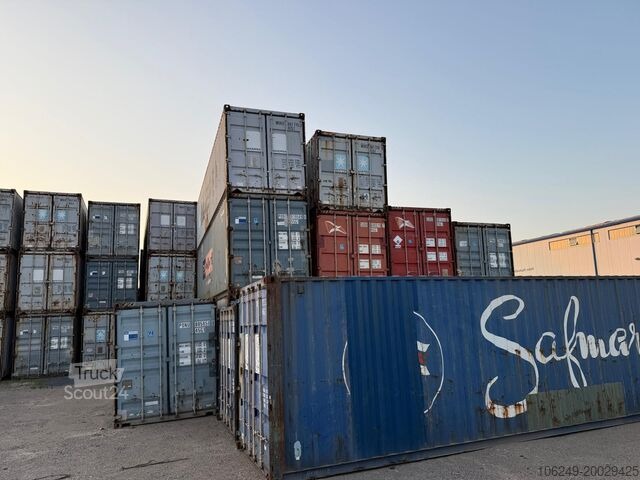
An office container is a prefabricated, steel‑frame module that is either a brand‑new shipping container repurposed for office use or a purpose‑built structure that mimics the same dimensions. They come in standard ISO sizes—most commonly 20‑foot (≈6 m) or 40‑foot (≈12 m)—and can be stacked, joined, or “cascaded” to create larger floor plans.
Because they are built off‑site under controlled conditions, you get a ready‑to‑occupy workspace that can be delivered and installed within weeks rather than months.
2. Why Office Containers Make Sense for Your Business
| Benefit | How It Impacts You | Real‑World Example |
|---|---|---|
| Speed of deployment | You can have a functional office up and running in 2‑4 weeks. | A construction crew set up a 5‑container office on a new site within 10 days, avoiding costly delays. |
| Cost efficiency | Capital expenses are up to 30 % lower than traditional brick‑and‑mortar builds. | A startup saved $150,000 by opting for a modular container office instead of a leased office suite. |
| Scalability | Add or remove modules as your team grows or shrinks. | A seasonal retailer added two extra containers for holiday staff and removed them after the season. |
| Mobility | Relocate the entire office to a new site with minimal disassembly. | A film production company moved its on‑set office from one location to another in a single weekend. |
| Customizability | Interior finishes, lighting, HVAC, and branding can be tailored to your needs. | A tech firm installed glass walls and a custom logo on the exterior, matching its corporate identity. |
| Sustainability | Reusing containers reduces raw material consumption and can be fitted with solar panels. | A logistics firm achieved LEED‑Gold certification for its container office park. |
These benefits answer the “why” before we dive into the “how.”
3. Choosing the Right Office Container
When you start comparing options, keep three decision pillars in mind: Function, Budget, and Future Flexibility.
3.1. Define Your Functional Requirements
| Requirement | Questions to Ask Yourself |
|---|---|
| Space | How many workstations, meeting rooms, or specialized areas (e.g., labs) do you need? |
| Climate | Is the container going to be used in extreme temperatures? Do you need insulation or HVAC? |
| Security | Will you store valuable equipment or confidential documents? |
| Regulatory compliance | Does your industry demand specific fire‑rating or accessibility standards? |
3.2. Match Features to Your Budget
Below is a concise comparison of the most common container types available on the market today.
| Container Type | Key Features | Typical Use Cases | Approx. Cost* (USD per sq ft) | Installation Time |
|---|---|---|---|---|
| Standard Shipping Container (SC) | Bare steel shell, no insulation, basic doors | Temporary offices, storage | $45‑$60 | 1‑2 weeks |
| Insulated Container (IC) | Spray‑foam or panel insulation, double‑glazed windows | Year‑round workspaces, climates with temperature swings | $65‑$80 | 2‑3 weeks |
| Custom Office Container (COC) | Fully fitted interior (drywall, flooring, electrical, HVAC), branding options | Permanent or semi‑permanent offices, client‑facing spaces | $85‑$120 | 3‑4 weeks |
| Double‑Skin Container (DSC) | Two steel shells with air gap, superior thermal performance | High‑performance labs, data centers | $110‑$150 | 4‑6 weeks |
| Hybrid Container (HC) | Combines container with modular wall panels for larger open‑plan layouts | Campus‑style office parks, education facilities | $95‑$130 | 3‑5 weeks |
*Costs are indicative and vary by location, finish level, and volume.
3.3. Assess Future Flexibility
- Stackability: If you anticipate vertical expansion, verify load‑bearing capacity.
- Connectivity: Ensure the container’s electrical and data cabling can be extended or rerouted.
- Add‑On Potential: Look for manufacturers that offer “plug‑and‑play” modules (e.g., restrooms, break rooms).
4. Design & Customization Options (A Quick Checklist)
- Exterior Finish – Powder‑coat paint, wood cladding, metal panels, or graphic wraps.
- Windows & Doors – Position, size, glazing type (tinted, low‑E).
- Interior Layout – Open workstations, private pods, meeting rooms, kitchenette.
- Flooring – Vinyl, carpet tiles, polished concrete, or hardwood.
- Lighting – LED panels, daylight harvesting sensors, ambient accent lighting.
- HVAC – Rooftop units, split systems, or passive ventilation.
- Smart Features – Wi‑Fi boosters, IoT occupancy sensors, integrated AV.
- Branding – Custom logos, color schemes, etched glass.
Use this list as a reference when you request a quote; the more specific you are, the smoother the design phase will go.
5. Installation: From Delivery to Move‑In – A Six‑Step Process
| Step | What Happens | Your Role |
|---|---|---|
| 1. Site Preparation | Ground grading, anchor pads, utility trenches. | Approve site plan and ensure access for delivery trucks. |
| 2. Delivery & Off‑Loading | Container lifted onto the foundation via crane or forklift. | Schedule delivery during a low‑traffic window. |
| 3. Anchoring & Securing | Bolted to ground plates, tie‑downs installed to meet wind‑load codes. | Inspect anchor points for compliance. |
| 4. Utility Hook‑Ups | Electrical, water, and data cables connected to the container’s service panel. | Provide utility permits and main service connections. |
| 5. Interior Fit‑Out | Final installation of furniture, partitions, and branding elements. | Conduct a walkthrough to confirm finish quality. |
| 6. Commissioning & Handover | HVAC testing, fire‑safety checks, and key hand‑over. | Sign off on the completion certificate and start occupancy. |
Most reputable suppliers will manage steps 2‑5 on your behalf, but your involvement in site prep and final inspection is essential to avoid costly re‑work.
6. Maintenance & Longevity
Even though containers are built to withstand harsh conditions, regular upkeep maximizes lifespan.
- Exterior: Repaint or touch‑up powder‑coat every 5‑7 years, especially in coastal or high‑UV environments.
- Doors & Seals: Lubricate hinges and check weatherstripping every 6 months.
- Roof & Drainage: Clear debris from the roof and verify that gutters are unblocked.
- HVAC: Replace filters quarterly and have a certified technician service the unit annually.
Following a simple maintenance schedule can keep a container office functional for 30 + years, far outlasting many conventional office leases.
7. Sustainability – Why Container Offices Are Green
| Sustainable Feature | Environmental Impact |
|---|---|
| Recycled steel | Reduces raw ore extraction; steel is up to 90 % recyclable. |
| Insulation | Lowers heating/cooling energy demand by up to 40 %. |
| Solar panels (optional) | Generates on‑site renewable electricity, cutting grid reliance. |
| Modular design | Enables reuse of the entire unit in a new location, preventing demolition waste. |
| Low‑VOC finishes | Improves indoor air quality and reduces volatile organic compound emissions. |
If your organization tracks carbon footprints, the embodied carbon of a container office is often ½ of that of a comparable concrete building.
8. Frequently Asked Questions (FAQ)
Q1: How long does a full‑size office container take to build from design to move‑in?
A: For a custom‑fitted 40‑foot container with HVAC, interior partitions, and branding, the typical timeline is 3‑5 weeks after the design is approved.
Q2: Can I connect a container office to existing building utilities?
A: Yes. Most containers have a service panel that can be wired directly to your site’s electrical, water, and data networks. A licensed electrician or plumber will handle the final connections.
Q3: Are office containers compliant with fire safety codes?
A: Containers can be equipped with fire‑rated walls, smoke detectors, and sprinkler systems to meet local building codes, including NFPA 101 (Life Safety Code) and any jurisdiction‑specific regulations.
Q4: What is the typical lifespan of an office container?
A: With proper maintenance, a steel container can last 30 – 40 years or longer. Insulated or double‑skin versions often enjoy even longer service lives due to enhanced protection against weathering.
Q5: How much does it cost to relocate a container office?
A: Relocation costs are generally 10‑15 % of the original purchase price, covering crane rental, transport, and re‑anchoring at the new site.
Q6: Can I finance a container office?
A: Many manufacturers offer leasing, rent‑to‑own, or financing options. Additionally, some governments provide capital‑allowance incentives for modular construction.
Q7: Do container offices meet accessibility (ADA/ISO) standards?
A: Yes, provided you specify accessible entrances, doorway widths, and interior layouts during the design phase.
Q8: What kind of warranty is typically offered?
A: Most vendors provide a 5‑year structural warranty and a 1‑year warranty on interior finishes and mechanical systems.
9. Final Thoughts – Is an Office Container Right for You?
You’ve now seen the full picture: from speed and cost advantages to design flexibility, sustainability, and long‑term durability. If you need a rapidly deployable workspace, want the freedom to scale up or down, or are looking for a green, cost‑effective alternative to traditional construction, an office container is a compelling choice.
Next steps:
- Audit your space needs – Use the functional checklist in Section 3.1.
- Set a budget – Reference the cost table (Section 3.2) to align expectations.
- Contact a reputable supplier – Request a detailed quote that includes design, delivery, and installation.
- Plan your site – Ensure proper foundation, utilities, and permits are ready.
When you move forward with confidence, your new container office will not only house your team but also reflect a modern, adaptable, and forward‑thinking business culture.
Ready to get started? Reach out to a local modular office specialist today and watch your next workplace come together in record time.