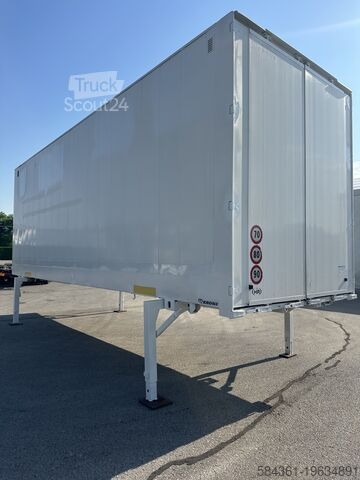
Prefab Container Houses: Your Complete Guide to Living in a Modern Shipping‑Container Home
If you’ve ever dreamed of a home that’s sleek, sustainable, and surprisingly affordable, a prefab container house might be exactly what you need. In this post you’ll discover how these steel‑box dwellings work, what to consider before you buy, and how to turn a simple cargo container into a stylish, livable space.
1. Why a Prefab Container House?
| Feature | Traditional Build | Prefab Container House |
|---|---|---|
| Construction time | 6‑24 months (weather‑dependent) | 4‑12 weeks (factory‑controlled) |
| Materials cost | $150‑$250 per sq‑ft | $70‑$150 per sq‑ft |
| Energy efficiency | Varies; often needs upgrades | Can be insulated to R‑30+ |
| Carbon footprint | High (concrete, timber, waste) | Low (re‑uses steel, less waste) |
| Mobility | Fixed foundation | Potentially relocatable (with permits) |
| Design flexibility | Unlimited (but costly) | Modular, stacking, and interior customization |
| Regulatory hurdles | Standard building codes | Must meet local zoning & code for “alternative” structures |
A prefab container house offers speed, cost‑effectiveness, and sustainability—three pillars that appeal to first‑time homeowners, tiny‑house enthusiasts, and even developers looking for rapid, low‑impact construction.
Quick fact: A standard 40‑foot shipping container contains about 2,720 lb of steel—recycling it into a home saves roughly 1 ton of CO₂ emissions per container compared with building a conventional wooden house of similar size.
2. Understanding the Basics: Container Types & Dimensions
| Container Size | External Dimensions (L × W × H) | Internal Volume | Typical Load Capacity |
|---|---|---|---|
| 20‑ft Standard | 20′ × 8′ × 8′ 6″ | 1,172 cu ft | 28,000 lb |
| 40‑ft Standard | 40′ × 8′ × 8′ 6″ | 2,352 cu ft | 28,000 lb |
| 40‑ft High‑Cube | 40′ × 8′ × 9′ 6″ | 2,700 cu ft | 28,000 lb |
| 45‑ft High‑Cube | 45′ × 8′ × 9′ 6″ | 3,040 cu ft | 30,000 lb |
Why the difference matters:
- Length determines how many rooms you can fit without cutting the steel.
- Height (standard vs. high‑cube) adds precious headroom—ideal for loft spaces or taller ceilings.
- Load capacity is crucial if you plan to stack containers or add a second story.
3. From Steel Box to Home: The Step‑by‑Step Process
Below is a concise checklist you can follow from concept to move‑in:
- Site Selection & Permits
- Verify zoning allows “alternative dwellings” or “accessory dwelling units.”
- Secure a building permit, utility easements, and fire‑safety approvals.
- Design Development
- Choose the container layout (single, stacked, L‑shaped).
- Work with an architect or a specialized container‑home firm to draft floor plans, structural reinforcements, and insulation strategy.
- Factory Fabrication
- Cutting & Welding: Openings for doors, windows, and utilities are cut; steel frames are reinforced where needed.
- Insulation: Spray‑foam, rigid board, or blanket insulation is installed to meet local energy codes.
- Interior Finish: Drywall, flooring, plumbing, and electrical rough‑ins are pre‑assembled.
- Transportation
- The completed modules are loaded onto flatbed trucks and shipped to the site.
- Foundation & Installation
- Typical foundations include concrete piers, a slab, or a steel “footprint” deck.
- Cranes position the containers; then they’re bolted together and anchored.
- Final Fit‑Out
- Connect utilities (water, electricity, gas).
- Install interior finishes, fixtures, and any custom cabinetry.
- Inspection & Certification
- Local building officials verify compliance. Once passed, you receive a Certificate of Occupancy.
- Move‑In!
- Bring your furniture, personalize the space, and start enjoying your new home.
4. Cost Breakdown: What Should You Expect to Pay?
| Item | Typical Range (USD) | Notes |
|---|---|---|
| Container purchase (new, 40‑ft high‑cube) | $3,000‑$6,000 | Refurbished units can be cheaper but may need extra rust treatment. |
| Design & engineering | $5,000‑$15,000 | Depends on complexity and professional fees. |
| Factory modifications (cutting, welding, insulation) | $10,000‑$25,000 per container | Includes doors, windows, interior framing. |
| Foundation | $5,000‑$12,000 | Concrete slab vs. pier system. |
| Utilities (plumbing, electrical, HVAC) | $8,000‑$20,000 | Energy‑efficient heat pumps can reduce long‑term costs. |
| Interior finishes (drywall, flooring, cabinetry) | $10,000‑$30,000 | Luxury finishes drive the price up. |
| Permits & inspections | $1,000‑$4,000 | Varies widely by locality. |
| Total (2‑container home, ~800 sq ft) | $45,000‑$110,000 | Compare with $150,000‑$250,000 for a conventional house of the same size. |
Tip: Plan for a 10‑15 % contingency to cover unexpected site work, delivery delays, or design changes.
5. Sustainability & Performance Benefits
- Re‑use of Existing Materials: Each container is already fabricated, reducing the need for new steel production.
- Energy Efficiency: With proper insulation and airtight sealing, container homes can achieve Passive House standards (≤ 0.6 ACH at 50 Pa).
- Water Conservation: Rain‑water harvesting systems integrate easily with flat roofs.
- Reduced Waste: Factory‑controlled construction minimizes on‑site debris.
6. Design Ideas to Inspire Your Container Home
- Studio Loft – One 40‑ft high‑cube split into a lower living/kitchen area and an upper sleeping loft with a skylight.
- Two‑Box L‑Shape – Two containers form an “L” with a patio courtyard; perfect for an open‑plan kitchen and a private bedroom wing.
- Stacked Duplex – One container serves as a ground‑floor studio, the second stacked on top creates a two‑story family home.
- Office‑Gym Hybrid – Combine a container office with a separate container gym, linked by a glass tunnel.
- Eco‑Cabin – Add a solar‑panel roof, earth‑bag insulation on the exterior, and a green roof for extra insulation and biodiversity.
7. Frequently Asked Questions (FAQ)
| Question | Answer |
|---|---|
| Do I need a special foundation? | Most jurisdictions require a permanent foundation (concrete slab, pier, or steel deck). The exact type depends on soil conditions and local code. |
| Can I move a container home after it’s built? | Yes, but you’ll need a new permit for the new location, and the structure must be engineered for relocation (including anchoring and transport clearances). |
| How long does a container home last? | With proper corrosion protection and maintenance, a steel container can last 50+ years—the same lifespan as a conventional home. |
| Is the interior sound‑proof? | Steel can transmit sound, but adding insulation, acoustic drywall, and resilient channels dramatically reduces noise transmission. |
| What about resale value? | Unique homes can command a premium in niche markets, especially if they’re energy‑efficient and well‑designed. However, resale depends heavily on local perception of “alternative housing.” |
| Do I need a special contractor? | It’s best to work with a builder experienced in modular or steel‑frame construction. General contractors unfamiliar with container specifics may overlook critical structural reinforcements. |
| Can I add on later? | Absolutely. Modular design allows you to stack or attach additional containers as your needs change. Just ensure the original structure was engineered for future expansion. |
| What are the main code challenges? | Fire resistance (often addressed with fire‑rated drywall), egress requirements (adequate windows/doors), and insulation R‑values. Early consultation with the local building department mitigates surprises. |
| Is financing available? | Many lenders treat container homes like any other residential property if the home meets local building codes and is appraised as a permanent dwelling. |
| How do I keep the interior cool in summer? | Combine high‑R insulation with shading devices (overhangs, pergolas) and a high‑efficiency HVAC system or a ductless mini‑split. Reflective roof coatings also help. |
8. Pros & Cons at a Glance
Pros
- Fast construction (weeks, not months)
- Lower material costs
- High durability and resistance to pests, rot, and fire (when properly treated)
- Easy modular expansion
- Sustainable (re‑uses steel, reduces waste)
Cons
- Limited interior width (8 ft) may require creative layouts
- Requires careful corrosion protection, especially in humid climates
- May face zoning or HOA restrictions
- Insulation and ventilation must be thoughtfully designed to avoid condensation
9. Getting Started: Your First Action Steps
- Research Local Regulations – Call your city’s planning department and ask about “alternative dwelling units” or “modular housing.”
- Set a Budget – Use the cost table above to outline a realistic budget, including a contingency fund.
- Choose a Design Partner – Look for firms with portfolio examples of container homes in climates similar to yours.
- Visit a Show‑Home or Model – Seeing a finished unit helps you visualize interior finishes and spatial flow.
- Secure Financing – Talk to lenders early; a pre‑approval will strengthen your purchase offer for the container(s).
10. Final Thoughts
Prefabricated container houses blend industrial robustness with modern design flexibility. By repurposing shipping containers, you’re not just saving money—you’re participating in a circular economy that reduces waste and carbon emissions. Whether you’re a minimalist looking for a tiny‑home adventure, a growing family needing a rapid‑build solution, or an investor seeking an affordable, scalable housing model, the prefab container house offers a compelling path forward.
Imagine stepping into a space where the exterior steel tells a story of global trade, while the interior reflects your unique style—complete with sustainable systems, smart‑home tech, and a design that can evolve with your life.
Ready to start the journey? Grab your checklist, contact a local architect, and watch a simple metal box transform into the home of your dreams.
If you found this guide helpful, share it with friends who are exploring alternative housing options, and feel free to leave a comment with any questions you still have. Happy building!