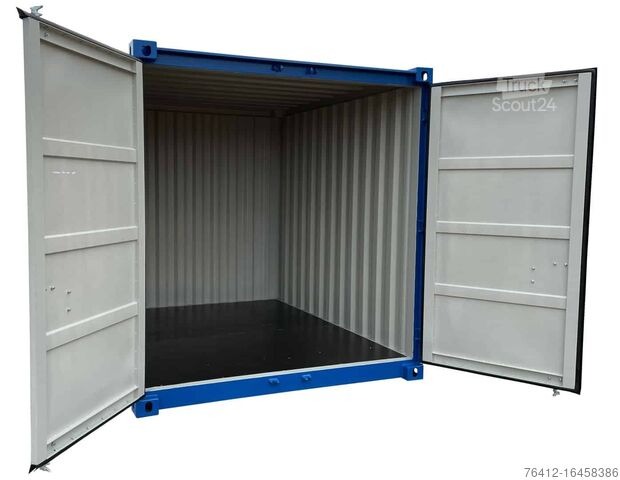
How to Purchase a Shipping Container: A Step‑by‑Step Guide for Businesses and DIY Enthusiasts
If you’ve ever imagined turning a steel box into a pop‑up shop, a backyard office, or a secure storage unit, you’re not alone. Shipping containers have become the go‑to solution for entrepreneurs, homeowners, and industrial users alike. But before you sign a contract and watch a massive container roll onto your driveway, you need to understand the options, costs, and pitfalls that come with buying one.
Below is a comprehensive, second‑person guide that walks you through everything you need to know—right from choosing the right size to closing the deal, plus a handy FAQ and quick‑reference tables to keep you on track.
1. Why Buy a Shipping Container?
| Benefit | How It Helps You |
|---|---|
| Durability | Made of C‑steel, a container can withstand harsh weather, heavy loads, and even fire for a short period. |
| Mobility | Standard dimensions fit onto trucks, railcars, and ships, letting you relocate the unit with minimal hassle. |
| Security | Lockable doors, welded seams, and optional steel reinforcement keep your assets safe. |
| Versatility | Convert it into a workshop, office, boutique, or even a tiny home with a few modifications. |
| Cost‑Effective | Compared with building a brick‑and‑mortar structure, a container can be 30‑70 % cheaper per square foot. |
If any of these points line up with your project goals, buying a container may be the smartest investment you make this year.
2. Container Types & Sizes You’ll Encounter
Shipping containers come in a handful of standard configurations. Knowing the differences will help you match the container to your intended use.
| Size (Length) | Width | Height | Inside Volume (cu ft) | Typical Use Cases |
|---|---|---|---|---|
| 20‑ft Standard | 8 ft | 8 ft 6 in | 1,172 | Small storage, workshop, modular furniture |
| 40‑ft Standard | 8 ft | 8 ft 6 in | 2,390 | Larger inventory, pop‑up retail, mobile offices |
| 40‑ft High Cube | 8 ft | 9 ft 6 in | 2,710 | Tall equipment, living spaces, HVAC installations |
| 45‑ft High Cube | 8 ft | 9 ft 6 in | 3,040 | Extra‑large cargo, container homes, medical clinics |
| 45‑ft Refrigerated (Reefer) | 8 ft | 9 ft 6 in | 3,000 | Cold‑chain storage, food trucks, vaccine labs |
Tip: If you need extra headroom for standing or installing tall shelving, the High Cube options are a game‑changer.
3. New vs. Used: Which Should You Choose?
| Factor | New Container | Used Container |
|---|---|---|
| Price Range | $3,000 – $6,500 (20‑ft) $5,000 – $9,500 (40‑ft) | $1,200 – $3,500 (20‑ft) $2,200 – $5,000 (40‑ft) |
| Condition | Pristine, no dents, no rust, fresh paint | May have dents, rust spots, or previous modifications |
| Warranty | Usually 12‑month structural warranty | None, unless offered by a refurbisher |
| Customization | Requires aftermarket modifications (extra cost) | May already have doors, windows, or shelving installed |
| Delivery Time | 2–4 weeks from order | Same‑day or next‑day availability from local depot |
If you plan to use the container for storage or industrial purposes and want the lowest price, a gently used unit often makes sense. For habitable or retail spaces, a new container can provide a clean canvas and reduce hidden repair costs.
4. Where to Buy: Sources & What to Look For
- Specialized Container Dealers – Companies that import directly from ports and offer a catalog of new and refurbished units.
- Port Authority Auctions – Many ports hold weekly or monthly auctions where you can bid on containers that have been off‑loaded and cleared.
- Online Marketplaces – Websites like eContainer, ContainerAuction, and even eBay list containers with photos and shipping options.
- Local Scrap Yards & Dealers – If you need a container quickly, a local yard can often deliver a used unit within a day.
Red Flags to Watch:
- Missing paperwork (e.g., CSC plate, ISO certification) – Without it, the container may not meet safety standards.
- Visible dents or rust beyond superficial – Could indicate structural fatigue.
- No clear return or warranty policy – Especially important for new purchases.
5. The Purchasing Process: From Quote to Delivery
Below is a checklist that guides you through each stage. Tick the boxes as you go to ensure nothing slips through the cracks.
| Step | Action | Why It Matters |
|---|---|---|
| 1. Define Requirements | List size, condition, delivery date, and any extra features (e.g., side doors, windows). | Prevents scope creep and unexpected costs. |
| 2. Obtain Multiple Quotes | Contact at least three dealers for price, freight, and lead time. | Gives you leverage for negotiation. |
| 3. Verify Certification | Ask for the CSC (Convention on Safety of Life at Sea) plate photo and ISO 1496‑1 compliance. | Guarantees structural integrity. |
| 4. Inspect (If Used) | Request photos, a video walk‑through, or a third‑party inspection. | Detects hidden damage. |
| 5. Negotiate Terms | Discuss payment schedule, delivery fees, and possible discounts for bulk orders. | Improves cash flow and reduces hidden fees. |
| 6. Sign Purchase Agreement | Ensure the contract includes container specs, delivery location, and liability clauses. | Legal protection if the container arrives damaged. |
| 7. Arrange Transportation | Choose a reputable freight carrier; confirm size, weight, and permits for oversized loads. | Avoids delays and extra permits. |
| 8. Receive & Inspect | Check seals, doors, and any pre‑agreed modifications on arrival. | Immediate claim if there’s damage. |
| 9. Register (If Required) | Some jurisdictions require registration for tax or safety reasons. | Prevents fines or legal issues. |
| 10. Plan Modifications | Hire a qualified contractor for cutting openings, adding insulation, or installing utilities. | Ensures compliance with building codes. |
6. Cost Breakdown: What to Expect in Your Budget
Below is a realistic cost model for a 40‑ft High Cube container, considering a mid‑range market in the United States (prices will vary by region).
| Cost Category | Approximate Amount | Notes |
|---|---|---|
| Base Container (new) | $7,500 | Includes CSC plate, standard paint |
| Delivery (up to 150 mi) | $800 – $1,200 | Depends on carrier and weight |
| Site Preparation | $500 – $1,000 | Leveling, foundation pads, permits |
| Modifications | $3,000 – $8,000 | Cutting doors/windows, insulation, wiring |
| Utilities Hook‑up | $1,500 – $3,000 | Electrical, water, HVAC (optional) |
| Taxes & Fees | 5‑10 % of total | Sales tax, registration, paperwork |
| Contingency (10 %) | $1,400 – $2,000 | Unexpected expenses |
| Total | $14,700 – $23,700 | Adjust based on used vs. new and scope of work |
Quick tip: If you’re on a tight budget, consider buying a used 40‑ft Standard and later upgrading to a High Cube once cash flow improves.
7. Common Mistakes (And How to Avoid Them)
- Skipping the CSC Plate Check – Without certification, you risk buying a structurally compromised box.
- Assuming Delivery Is Free – Many sellers quote a low price but add hefty freight charges later. Always ask for a FOB (Free on Board) price versus CIF (Cost, Insurance & Freight).
- Underestimating Modification Costs – Cutting steel requires proper tools and welding; budget at least 30 % of the container’s price for conversion work.
- Ignoring Zoning Laws – Some municipalities limit container placement or require specific setbacks. Check with local planning before purchase.
- Not Planning for Ventilation – A sealed steel box can become a sauna. Include vents or a small HVAC system in your design.
8. Quick‑Start List: What You Need Before You Buy
- Project brief (size, purpose, budget)
- Site plan (location, access, foundation)
- Regulatory checklist (zoning, permits, registration)
- Three vendor quotes (including delivery)
- Inspection checklist for used units
- Financing plan (cash, loan, lease)
- Modification contractor (licensed, experienced with containers)
Having these items ready will streamline the purchasing process and reduce the likelihood of costly last‑minute changes.
9. Frequently Asked Questions (FAQ)
Q1. How long does a shipping container last?
A: A well‑maintained steel container can last 20‑30 years before corrosion becomes a serious issue. Regular cleaning, repainting, and rust treatment extend its lifespan.
Q2. Can I finance a shipping container?
A: Yes. Many dealers partner with equipment financing companies offering 5‑10 year loans with rates ranging from 4 % to 9 %. Some credit unions also provide special terms for small business owners.
Q3. Do I need a permit to place a container on my property?
A: It depends on local zoning. Some jurisdictions treat a container as a temporary structure and require a building permit; others consider it a storage unit and only need a land‑use clearance. Always verify with your city’s planning department.
Q4. How do I protect a container from rust?
A: Apply a protective anti‑rust coating every 3‑5 years, keep the roof drains clear, and store the container under a shade or cover when possible.
Q5. Are containers recyclable?
A: Absolutely. Steel is 100 % recyclable. At the end of its life, a container can be re‑rolled into new products, reducing environmental impact.
Q6. What’s the difference between a “dry” container and a “reefer”?
A: A dry container is insulated only by its steel walls, while a reefer includes a built‑in refrigeration unit and thicker insulation, making it suitable for temperature‑sensitive cargo.
Q7. Can I stack containers on top of each other?
A: Yes, containers are engineered for stacking up to 8–9 units high when secured on a proper foundation. However, if you plan to occupy the upper container, you’ll need additional structural support.
Q8. How do I convert a container into a livable space?
A: Key steps include: adding insulation, installing windows/doors, running electrical/plumbing, and meeting local building codes for habitation (e.g., fire exits, ceiling height). Hiring a certified contractor familiar with container builds is crucial.
10. Final Thoughts: Take the Leap With Confidence
Purchasing a shipping container is more than just buying a metal box—it’s acquiring a versatile platform that can evolve with your business or lifestyle. By understanding the types, costs, and legal requirements, you empower yourself to make a decision that delivers function, durability, and return on investment.
Remember:
- Define your needs first – size, condition, and timeline.
- Shop around – three quotes are the minimum for a solid comparison.
- Inspect and verify – a CSC plate and a thorough visual check protect you from hidden defects.
- Budget for the whole project – delivery, site prep, and modifications often outweigh the base price.
With the checklist, tables, and FAQ at hand, you are now equipped to navigate the shipping‑container market like a pro. Whether you’re creating a pop‑up café on a city block, a secure warehouse for inventory, or a compact studio apartment, the container you purchase today can become the foundation for tomorrow’s success.
Happy buying—and enjoy the endless possibilities that a steel box can unlock!