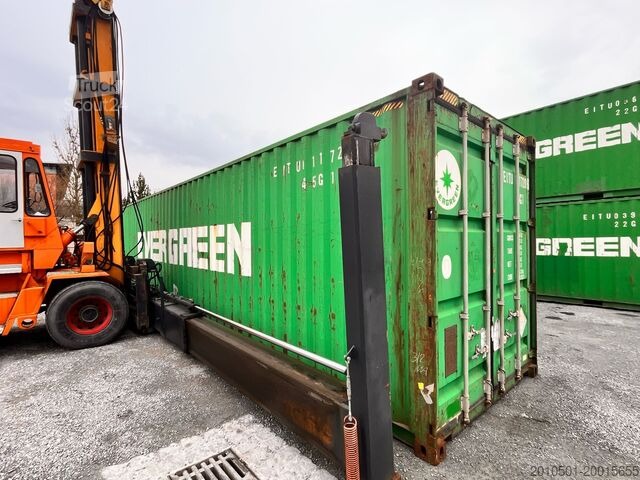
Sea Containers for Sale – The Complete Buyer’s Guide
If you’re reading this, chances are you’re considering buying a sea container for your business, a personal project, or even a daring DIY home‑office. The good news is that the market for sea containers for sale has never been more accessible, and the variety of sizes, conditions, and price points means there’s a perfect match for almost any need.
In this guide we’ll walk you through everything you need to know before you click “Add to Cart.” You’ll learn how to evaluate specifications, compare price structures, spot hidden costs, and choose the right container for your application. We’ll also give you a handy comparison table, a checklist of must‑have features, and a FAQ section to clear up any lingering doubts.
1. Why Buy a Sea Container?
| Benefit | How It Helps You |
|---|---|
| Durability | Made of C‑rated steel, containers resist corrosion, impact, and weather for decades. |
| Mobility | Standard dimensions fit on trailers, railcars, and ships, making relocation simple. |
| Versatility | Use as storage, office space, pop‑up shop, workshop, or even a tiny home. |
| Security | Lockable doors, welded frames, and optional alarm systems keep contents safe. |
| Cost‑Effectiveness | Compared with building a brick‑and‑mortar structure, a container costs a fraction of the price. |
If you need a secure, portable, and low‑maintenance solution, a sea container can deliver faster than traditional construction.
2. Types of Containers You’ll Find for Sale
| Container Type | Typical Dimensions (L × W × H) | Typical Use‑Case | Pros | Cons |
|---|---|---|---|---|
| 20‑Foot Standard | 20 ft × 8 ft × 8.5 ft | Small storage, toolroom, portable office | Compact, cheapest per unit | Limited interior space |
| 40‑Foot Standard | 40 ft × 8 ft × 8.5 ft | Large inventory, workshop, gym | Double the volume, same footprint | Heavier, may need larger crane |
| 40‑Foot High‑Cube | 40 ft × 8 ft × 9.5 ft | Height‑critical applications (e.g., tall equipment) | Extra 1 ft of headroom | Slightly higher cost |
| 45‑Foot High‑Cube | 45 ft × 8 ft × 9.5 ft | Shipping lines, large‑scale storage | Maximum usable volume in one‑piece | Requires bigger transport permits |
| Open‑Top | Same as standard but without a fixed roof | Loading oversized cargo, construction material | Easy loading with crane | Less weather protection (needs tarp) |
| Reefer (Refrigerated) | Same as standard, insulated & powered | Cold‑chain storage, perishable goods | Built‑in cooling system | Higher purchase price & electricity cost |
| Flat‑Rack | Frame with collapsible sides | Heavy machinery, vehicles | Load larger items, easy side‑access | No walls, lower security |
| Special‑Purpose (e.g., office, pop‑up) | Customizable interior | Retail kiosks, mobile clinics | Turnkey solution, interior finishes | Premium pricing |
Tip: If you’re unsure which size works best, calculate the cubic footage you need (Length × Width × Height) and add 10‑15 % for aisles, shelving, and breathing room.
3. New vs. Used – What’s the Right Choice for You?
| Aspect | New Containers | Used Containers |
|---|---|---|
| Price | 30‑50 % higher | 30‑70 % lower |
| Condition | Pristine, no dents, fresh paint | May have dents, rust, or previous modifications |
| Warranty | Often includes a limited warranty (12‑24 months) | No warranty, “as‑is” |
| Customization | Easier to retrofit (no pre‑existing cuts) | May need extra prep to remove old fittings |
| Delivery Time | Usually 2‑4 weeks (factory stock) | Often available for immediate pick‑up or same‑day delivery |
| Best For | Companies needing a spotless brand image, regulated environments (pharma, food) | Budget‑conscious operators, DIY enthusiasts, projects where wear is acceptable |
If you need a pristine appearance for a customer‑facing office, the extra cost of a new unit may be justified. If you’re using the container for a workshop or storage, a well‑maintained used container can save you a lot of money.
4. Hidden Costs You Must Factor In
- Delivery & Logistics – Shipping containers weigh 2‑4 tons. Transport fees can range from $200 (local) to $1,500 (cross‑country).
- Site Preparation – A level concrete pad, steel beams, or a wooden deck may be required. Expect $3‑$8 per square foot.
- Modifications & Fit‑Outs – Cutting doors, installing windows, insulation, electrical wiring, or climate control can quickly add $5,000‑$20,000 depending on complexity.
- Permits & Regulations – Some municipalities require building permits for containers used as habitable space. Check local zoning laws; fees vary widely.
- Insurance – Commercial property insurance for a container typically runs $0.10‑$0.30 per $1,000 of value per year.
Bottom line: When budgeting, add 20‑30 % to the purchase price to cover these ancillary expenses.
5. Checklist: What to Inspect Before You Buy
| ✅ | Item | Why It Matters |
|---|---|---|
| 1 | Outer Steel Condition – Look for rust, dents, or corrosion on corners. | Structural integrity and lifespan. |
| 2 | Door Alignment & Gaskets – Doors should close flush; gaskets should be intact. | Weather‑tightness and security. |
| 3 | Flooring – Check for buckling, holes, or rust through the floor. | Load‑bearing capacity and water ingress. |
| 4 | Paint Finish – Uniform coating without flaking. | Protection against the elements. |
| 5 | Certificate of Origin (CO) – Verifies that the container is legal and not a “ghost container.” | Compliance with customs and resale. |
| 6 | Modifications History – Ask for any cuts, welds, or added features. | May affect structural strength. |
| 7 | Load Rating – Verify the container’s maximum payload (usually 25‑30 tons). | Ensures you don’t overload. |
| 8 | Ventilation – Presence of vents or fans if you need airflow. | Prevents condensation and mold. |
| 9 | Electrical Wiring – If pre‑wired, check condition of cables and breakers. | Safety and functionality. |
| 10 | Documentation – Sales contract, invoice, and any warranties. | Legal protection. |
Bring a tape measure, a flashlight, and a magnet (to detect hidden steel plates) when you inspect a used container on the lot.
6. How to Choose the Right Supplier
| Criteria | Questions to Ask |
|---|---|
| Reputation | How many years have you been in business? Can you provide references? |
| Inventory Transparency | Do you have a live inventory list with photos and condition reports? |
| Delivery Options | Do you handle shipping, or will I need a third‑party hauler? |
| After‑Sales Support | Do you offer assistance with modifications or installation? |
| Return Policy | What is your policy if the container arrives damaged? |
| Pricing Structure | Are there bulk discounts for multiple units? |
| Compliance | Do you provide a Certificate of Origin and compliance with ISO standards? |
A reputable dealer will be forthcoming with documentation and will often have a showroom or yard where you can physically inspect units before committing.
7. Real‑World Applications – Inspiration for Your Project
- Pop‑Up Retail: Transform a 20‑ft container into a boutique shop with glass windows, branding graphics, and a small refrigeration unit for perishables.
- Portable Office: Stack two 40‑ft high‑cube containers, cut an interior wall, and add HVAC to create a climate‑controlled workspace on a construction site.
- Urban Backyard Studio: Convert a 20‑ft container into a tiny home office with insulation, drywall, and a skylight.
- Agricultural Storage: Use a 40‑ft refrigerated container (reefer) to store harvested produce on a farm, extending shelf life by up to 30 days.
- Community Center: A series of containers linked together can become a modular library, featuring reading nooks, computer stations, and an outdoor patio.
8. Sample Price Guide (U.S. Market – 2025)
| Container Size | Condition | Average Purchase Price | Typical Shipping (Within US) |
|---|---|---|---|
| 20‑ft Standard | New | $3,200 – $4,500 | $300 – $600 |
| 20‑ft Standard | Used (Good) | $1,800 – $2,800 | $250 – $500 |
| 40‑ft Standard | New | $5,800 – $7,500 | $500 – $900 |
| 40‑ft Standard | Used (Good) | $2,800 – $4,200 | $400 – $800 |
| 40‑ft High‑Cube | New | $6,500 – $8,300 | $550 – $950 |
| 40‑ft High‑Cube | Used (Good) | $3,200 – $5,000 | $450 – $850 |
| 45‑ft High‑Cube | New | $8,000 – $10,200 | $700 – $1,200 |
| Reefer (40‑ft) | New | $9,500 – $12,000 | $600 – $1,100 |
| Open‑Top (40‑ft) | Used | $2,500 – $3,800 | $450 – $800 |
Prices vary by region, supplier, and market demand. Always request a detailed quote that includes taxes, delivery, and any optional upgrades.
9. Step‑by‑Step: Buying Your First Container
- Define Your Requirements – Size, condition, and purpose. Write them down in a simple matrix.
- Set a Budget – Include purchase price + 25 % for delivery & modifications.
- Research Suppliers – Use the checklist above to shortlist 2‑3 dealers.
- Request Quotes & Photos – Ask for high‑resolution images, dimensions, and condition reports.
- Inspect the Unit – Either in person or via a trusted third‑party inspector.
- Negotiate – Many sellers are willing to discount for cash payment or bulk orders.
- Sign a Contract – Ensure the contract outlines price, delivery date, warranty, and return policy.
- Arrange Transport – Coordinate with a licensed hauler; confirm permits if needed.
- Prepare the Site – Level the ground, lay a foundation, and verify utility connections.
- Customize – Add doors, windows, insulation, electrical, and interior finishes.
Following these steps will reduce surprises and help you get your container up and running faster.
Frequently Asked Questions
**1. Can I stack containers on top of each other?
Yes, containers are designed to be stacked up to 8 units high when placed on a proper foundation. For permanent stacking, you’ll need a steel frame or concrete footings and may require engineering approval.
**2. Are sea containers legal to use as living spaces?
In many jurisdictions they are, provided you meet local building codes, obtain a habitable structure permit, and install proper insulation, ventilation, and fire safety measures. Check with your city’s planning department before converting a container into a residence.
**3. How do I prevent rust inside the container?
Apply a rust‑inhibiting primer to any exposed steel, use Galvanized or stainless‑steel fittings, and ensure the interior is well‑ventilated to avoid condensation. Adding a polyethylene membrane under the floor can also protect against moisture.
**4. What’s the difference between ISO 668 and ISO 1496 standards?
ISO 668 defines the external dimensions and weight limits, while ISO 1496 covers construction requirements, such as corner fittings and door mechanisms. Reputable sellers will certify that their containers meet both standards.
**5. Can I paint the exterior myself?
Absolutely, but you’ll need to clean the surface, apply a rust remover, prime with a metal‑compatible primer, and finish with marine‑grade enamel for optimal durability.
**6. How long does a container last?
With proper maintenance, a steel container can last 30‑40 years or more. The roof and floor are the most vulnerable parts; inspecting them annually can extend service life.
**7. Do I need a special license to operate a container crane?
If you plan to cut openings or install heavy equipment yourself, you may need a licensed operator for any crane or hoist work, depending on local regulations.
**8. Is there a resale market for modified containers?
Yes, modified containers often fetch a premium, especially if they are office-ready, high‑cube, or have custom finishes. Keep records of all modifications to aid resale.
**9. What financing options exist?
Some container dealers partner with equipment leasing companies or trade finance firms to offer lease‑to‑own arrangements, typically over 3‑5 years with a modest interest rate.
**10. Can I track my container during shipping?
Most carriers provide a tracking number and online portal. For international shipments, you can use the container’s ISO 6346 number to monitor its journey via marine tracking services.
Final Thoughts
Purchasing a sea container for sale is more than just buying a metal box; it’s an investment in a flexible, robust, and cost‑effective platform that can be tailored to support a wide range of business operations and personal projects. By understanding the different types, evaluating condition, accounting for hidden costs, and choosing a reputable supplier, you’ll be equipped to make a decision that delivers value for years to come.
Now that you have the knowledge, the next step is simple: define your needs, compare the options, and place that order. Whether you’re looking to store equipment, launch a pop‑up shop, or build a modern micro‑office, the perfect container is waiting for you—just a few clicks away. Happy hunting!