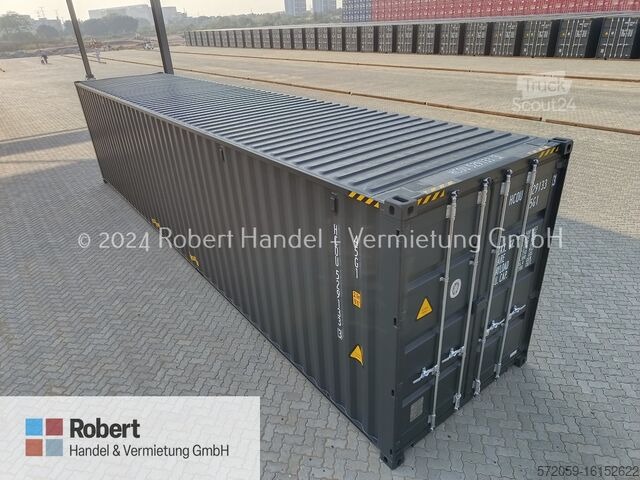
Sea Containers Near Me: Your Complete Guide to Finding, Renting, and Using Nearby Shipping Boxes
Whether you’re a small‑business owner looking for a cost‑effective way to store inventory, a DIY‑enthusiast planning a backyard office, or a logistics manager hunting for the nearest freight hub, the phrase “sea containers near me” is likely showing up in your search history.
In this long‑form, step‑by‑step post you’ll discover:
- Where to locate sea containers in your area – online tools, local dealers, and community resources.
- How to assess the right container size and condition for your intended use.
- What to expect in terms of pricing, delivery, and permits.
- A quick‑reference table that compares the most common container types and typical costs.
- Practical tips and checklists so you don’t miss any detail.
All of the information is presented in the second‑person voice, because you are the one making the decisions, and we want you to feel confident every step of the way.
1. Why You Might Need a Sea Container Close to Home
Before you start hunting for the nearest container, ask yourself what you actually need. Here are the five most frequent use‑cases:
| # | Use‑Case | Typical Benefits |
|---|---|---|
| 1 | Inventory storage for e‑commerce or retail | Secure, weather‑proof, scalable |
| 2 | Portable office or workshop | Immediate “move‑in” space; can be customized |
| 3 | Construction site storage for tools & materials | Durable, lockable, easy to relocate |
| 4 | Home renovation (e.g., temporary bathroom, storage) | Low‑cost alternative to traditional sheds |
| 5 | Shipping & logistics (import/export) | Standardized dimensions, global compatibility |
Knowing the purpose will guide the size, condition, and location you should target.
2. Where to Search for Containers “Near Me”
2.1 Online Marketplace Platforms
| Platform | What It Offers | How to Filter by Location |
|---|---|---|
| eBay Motors & eBay Business | New, used, and refurbished containers from dealers worldwide | Enter your ZIP code in the “Location” filter |
| Craigslist (Your City) | Local private sellers, often at lower prices | Use the “For Sale – General” or “Wanted” sections and set the radius |
| Facebook Marketplace | Peer‑to‑peer listings, often with photos of the exact container | Search “sea container” and select “Nearby” |
| Containers4U, Boxhub, MHC Container | Specialist container brokers; inventory maps and instant quotes | Input your address or ZIP to generate nearby options |
2.2 Local Container Depots & Dealers
Most major ports have container yards that rent out or sell containers to the public. To locate them:
- Google “container depot + [your city]”.
- Call the yard and ask whether they have “off‑cuts” or “used containers” available for immediate pickup.
- Ask about delivery fees—many yards offer free loading onto a truck if you arrange transport.
2.3 Freight Forwarders & Shipping Lines
If you already have a relationship with a freight forwarder, they often maintain an inventory of “empty” containers (known as “E‑containers”) that sit idle near the port. Reach out and ask for a “local pick‑up” option.
2.4 Community Boards & Local Classifieds
Small towns often have hardware stores, farm supply shops, or co‑ops that keep a few containers on‑site for community use.
Tip: Drop a note on the community bulletin board (physical or digital) asking “Anyone with a spare sea container for sale or rent?” – you’ll be surprised at the responses.
3. Choosing the Right Size & Condition
Sea containers come in standard dimensions, but you might also find custom lengths (e.g., 30‑ft or 45‑ft). Below is a quick cheat‑sheet to match size with typical use‑cases.
| Size (L×W×H) | Interior Volume | Typical Applications | Approx. Price Range (USD) |
|---|---|---|---|
| 20‑ft Standard (20’×8’×8’6”) | 1,170 ft³ | Small inventory, tool storage, tiny office | $1,800 – $3,500 (used) |
| 40‑ft Standard (40’×8’×8’6”) | 2,390 ft³ | Large warehouses, pop‑up shops, vehicle garage | $2,800 – $5,500 (used) |
| 40‑ft High‑Cube (40’×8’×9’6”) | 2,700 ft³ | Tall equipment, stacking pallets, larger office | $3,200 – $6,200 (used) |
| 45‑ft High‑Cube (45’×8’×9’6”) | 3,100 ft³ | Heavy‑duty industrial use, big‑box retail storage | $4,000 – $7,500 (used) |
| 20‑ft Refrigerated (“Reefer”) | 1,150 ft³ (insulated) | Cold storage of perishables, pharmaceuticals | $5,000 – $9,500 (used) |
Condition Checklist
When you physically inspect a container (or request photos if buying remotely), run through this five‑point condition checklist:
- Exterior Rust & Corrosion – Minor surface rust is normal; deep pitting means structural weakness.
- Door Seals & Gaskets – Ensure the rubber sealing is intact; cracked gaskets cause water ingress.
- Floor Integrity – Look for dents, broken studs, or water stains indicating internal leakage.
- Structural Deformation – Check for twisted corners or warped frames; a straight container should sit flat on all sides.
- Documentation – Ask for the ISO certification and CSC plate (the safety certificate). Containers older than 12 years must undergo a periodic safety inspection.
If any item fails the checklist, negotiate a price reduction or request a repair before finalizing the purchase.
4. Pricing, Delivery, and Permits – What to Expect
4.1 Typical Cost Breakdown
| Cost Item | Typical Range | Notes |
|---|---|---|
| Container Base Price (used) | $1,800 – $7,500 | Depends on size, age, condition |
| Delivery (within 50 mi) | $150 – $450 | Usually charged per mile; may include loading |
| Permits (if needed) | $50 – $200 (per permit) | Zoning, fire, or temporary structure permits |
| Modifications (cut‑outs, insulation) | $500 – $4,000 | Varies widely; get quotes before ordering |
| Insurance | $30 – $100 per month | Optional but recommended for high‑value contents |
4.2 Delivery Logistics
- Measure Access Points – Verify that the driveway, gate, or alley can accommodate the container’s width (8 ft) and length (including overhang).
- Choose a Transporter – Many container dealers partner with local flat‑bed trucking companies. Obtain at least three quotes.
- Schedule a Drop‑off Window – Some neighborhoods restrict large vehicle traffic during certain hours.
4.3 Permit Requirements
Most U.S. municipalities treat a container as a “temporary structure”. Check the following:
| Permit Type | When Required | How to Obtain |
|---|---|---|
| Zoning/Use Permit | If the container will be placed on a residential lot for >30 days | Submit a site plan to the city planning office |
| Building Permit | If you plan to cut doors, windows, or add a roof extension | Provide engineering drawings |
| Fire Code Clearance | If the container will be used as an office or workshop with electrical equipment | Obtain clearance from the local fire marshal |
If you are only using the container for short‑term storage (≤30 days) and it sits on a private lot, many jurisdictions waive the permit requirement. Always double‑check your city’s website or call the planning department.
5. Quick‑Start Checklist – From Search to Set‑up
- Define Purpose & Size – Use the size‑application table above.
- Search Locally – Start with Craigslist, Facebook Marketplace, and local depots.
- Request Photos & Documentation – Verify CSC plate and condition checklist.
- Obtain Quotes – Include container price, delivery, and any modifications.
- Check Permits – Contact municipal office; submit forms if needed.
- Arrange Delivery – Confirm access, schedule date, and confirm payment terms.
- Inspect on Arrival – Perform the five‑point checklist again; sign off only if everything matches.
- Customize (Optional) – Add ventilation, lighting, shelving, or interior insulation.
- Secure & Insure – Install high‑security locks and purchase insurance if storing valuable goods.
Having this checklist printed or saved on your phone will keep the process smooth and help you avoid costly surprises.
6. Frequently Asked Questions (FAQ)
Q1. How far can I transport a container without extra fees?
Most container dealers will deliver within a 50‑mile radius for a flat fee. Beyond that, mileage is charged per mile, typically $2‑$3 per mile. If you need state‑wide delivery, consider arranging a third‑party freight carrier.
Q2. Can I place a container on a concrete slab instead of a wooden pallet?
Yes. A concrete slab provides a stable, moisture‑resistant base, but you must ensure the slab is level and can support the container’s weight (≈ 4,000 lb for a 20‑ft unit). A wooden pallet is often cheaper and easier to move later.
Q3. Are sea containers legal to use as tiny homes?
In many jurisdictions they are, provided you comply with local building codes, obtain the necessary permits, and meet health & safety standards (e.g., insulation, ventilation, egress windows). Check with your city’s planning department before proceeding.
Q4. What is a “CSC plate,” and why does it matter?
The CSC (Convention Stowage Certificate) plate is a metal tag on the container’s exterior that displays its approval date, maximum gross weight, and safety inspection status. A valid CSC plate proves the container meets international safety standards.
Q5. How often do containers need a safety inspection?
Every five years, or after a major modification, a container must undergo a Periodic Safety Inspection (PSI) to retain its CSC certification. If the container is older than 12 years, an additional Annual Inspection may be required.
Q6. Can I rent a container instead of buying one?
Absolutely. Many depots and logistics companies offer short‑term rentals (weekly or monthly) with flexible delivery options. Rental rates typically range from $50 to $150 per month, plus a delivery fee.
Q7. What are the environmental considerations of using a sea container?
Containers are made of steel, which is highly recyclable. Re‑using a container as a storage unit or building reduces the need for new construction materials. If you modify the container, choose eco‑friendly insulation (e.g., cellulose) and install solar panels for off‑grid power.
7. Real‑World Example: How Jane Found a 40‑ft Container in Her Suburban Neighborhood
“I needed extra space for my growing e‑commerce inventory, but my garage was already packed. I typed ‘sea containers near me’ into Google and the first result was a local depot 12 miles away. I called, got a quote for a used 40‑ft high‑cube at $3,200, and the depot offered free loading onto my rented flat‑bed truck. After confirming my HOA allowed a temporary structure, I secured a simple zoning permit and the container was on my driveway the next day. I added a roll‑up door and a few shelves – total cost under $4,000. The whole process took just three days from search to set‑up!”
Jane’s story illustrates that the right combination of online search, local dealer contact, and a quick permit check can get you a container fast, without a massive budget.
8. Final Thoughts – Turn “Sea Containers Near Me” Into a Real Asset
You now have a complete roadmap to locate, evaluate, and acquire a sea container close to where you live or work. By:
- Defining your purpose,
- Using the right online and offline resources,
- Running a thorough condition checklist, and
- Understanding the cost, delivery, and permitting landscape,
you’ll transform a simple search query into a functional, durable space that can grow with your needs.
Remember: a sea container is more than a metal box—it’s a flexible platform for storage, work, or even living. Treat it as an investment, protect it with proper permits and insurance, and you’ll reap the benefits for years to come.
Ready to start? Open a new tab, type “sea containers near me,” pick a platform from the table, and let the hunt begin. Happy container hunting!