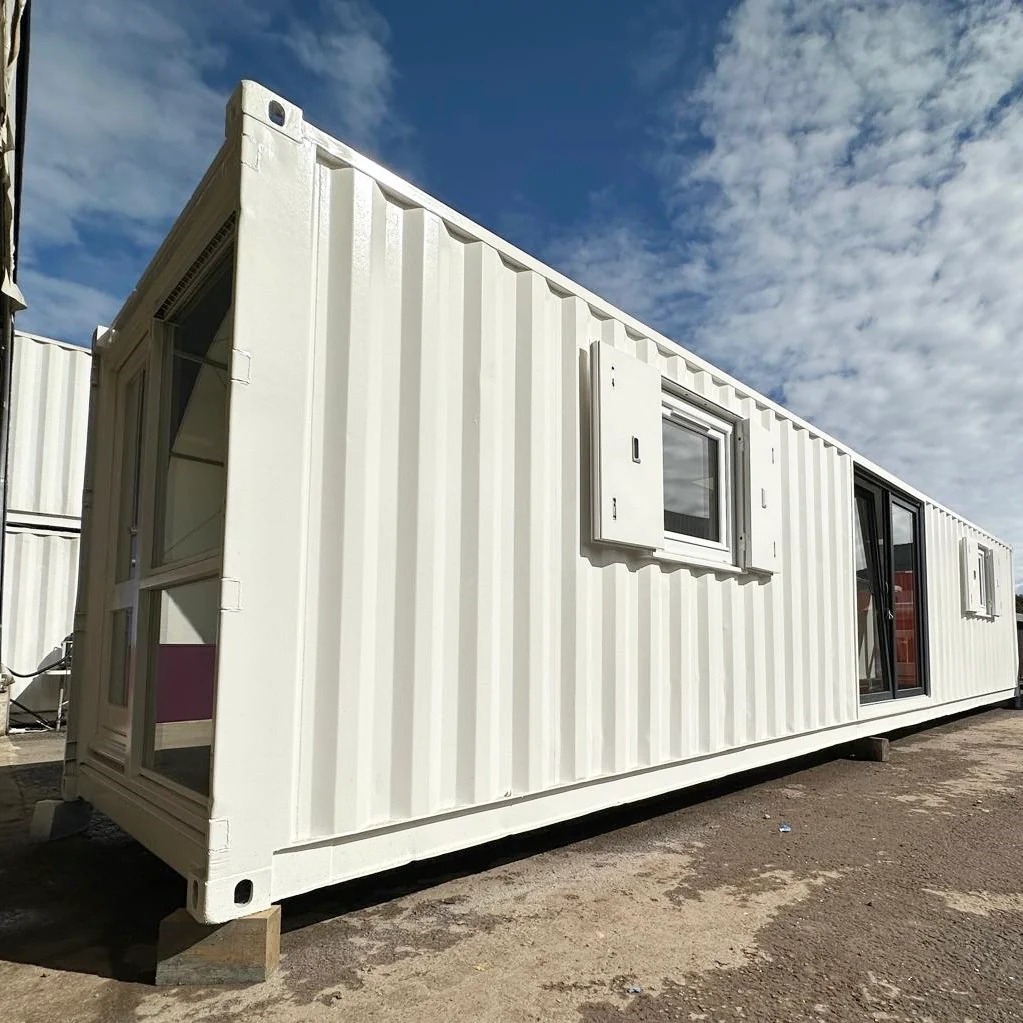
The Friendly Guide to Buying a Second‑Hand 20‑ft Shipping Container
If you’re scrolling through endless listings of steel boxes, wondering whether a used 20‑foot shipping container is the right fit for your project, you’re in the right place. Whether you need extra storage, a pop‑up shop, a tiny office, or a rugged workshop, a second‑hand container can be a cost‑effective, versatile solution. This guide walks you through everything you need to know—what to look for, how to price it, where to buy, and how to keep it in tip‑top shape—so you can make a confident decision without a hitch.
1. Why Choose a Second‑Hand 20‑ft Container?
| Feature | New Container | Used Container (20‑ft) |
|---|---|---|
| Typical Price | $2,500 – $4,500 (USD) | $1,200 – $2,800 |
| Delivery Time | 2–4 weeks (factory → port) | 1–3 days (local stock) |
| Condition | Spotless, no dents | Minor dents, rust spots, possible wear |
| Environmental Impact | Higher (new steel production) | Lower (re‑use reduces waste) |
| Customization | Easier to modify when fresh | Still modifiable, may need extra prep |
| Resale Value | Higher initial value | Lower but still solid for resale |
Bottom line
A used 20‑ft container gives you up to 45 % savings while still delivering the same structural strength and dimensions (20 ft × 8 ft × 8.5 ft). If you’re budget‑conscious or love the idea of giving a steel box a second life, the used market is worth a serious look.
2. Real‑World Uses: 10 Ideas to Spark Your Imagination
- Seasonal Storage – Stash garden tools, holiday décor, or business inventory.
- Mobile Pop‑Up Shop – Turn it into a coffee stand, boutique, or art gallery.
- Tiny Home Base – Insulate, add windows, and you have a compact, off‑grid studio.
- Workshop/Studio – Weld, paint, or craft in a secure, weather‑proof space.
- Cold Storage – Fit a mini‑refrigeration unit for perishable goods.
- Bike or Carport – Open the doors and park your rides safely.
- Office Space – Wire up power and internet for a quiet, private work pod.
- Emergency Shelter – Quick‑deploy housing for disaster relief.
- Garden Planter – Cut the sides and fill with soil for a vertical garden.
- Art Installation – Use the steel canvas for large‑scale sculptures or murals.
Tip: When planning a conversion, consider the container’s load‑bearing capacity (≈ 30 tons) and the need for ventilation or insulation based on your intended use.
3. What to Inspect Before You Buy
A second‑hand container may have weathered the road, sea, or a construction site. Here’s your quick‑check checklist:
| Inspection Item | What to Look For | Why It Matters |
|---|---|---|
| Exterior Rust | Uniform surface rust is okay; deep pitting or holes signal structural compromise. | Rust eats into steel, weakening the frame. |
| Dents & Deformations | Small dents are cosmetic; major bends can affect strength. | Severe dents may indicate mishandling or overload. |
| Doors & Hinges | Smooth operation, no warped frames, functional locks. | Faulty doors compromise security and weather‑tightness. |
| Floor Condition | No soft spots, cracks, or missing decking boards. | Floor integrity is key for heavy loads. |
| Roof Condition | No rust-through, no water ponding. | Prevents leaks and internal corrosion. |
| Certification Labels | CSC (Container Safety Convention) or ISO plates with last inspection date. | Verifies compliance with safety standards. |
| Previous Modifications | Look for drilled holes, welded plates, or added windows. | May affect structural integrity or require extra work. |
| Interior Cleanliness | No leftover cargo, pests, or hazardous residues. | Ensures a safe, clean start for your project. |
Pro tip: Bring a flashlight, a small hammer (to test metal thickness), and a magnet (to spot hidden rust underneath panels). If the seller can’t provide a recent C‑of‑C (Certificate of Conformity), you may want to negotiate a discount or walk away.
4. Pricing Guide: How Much Should You Pay?
Below is a typical price range you’ll see across the United States, Canada, and Europe. Prices fluctuate by condition, location, and market demand.
| Condition | Approx. Price (USD) | Typical Sources |
|---|---|---|
| Like‑New (≤ 1 yr, minimal wear) | $2,200 – $2,800 | Certified dealers, online marketplaces |
| Good (2‑4 yr, minor dents, surface rust) | $1,600 – $2,200 | Auctions, local resellers |
| Fair (5‑8 yr, visible rust, some dents) | $1,200 – $1,600 | Scrap yards, container farms |
| Heavy‑Use (≥ 8 yr, major rust, repairs needed) | <$1,200 | Salvage yards, private owners |
Factors that can push the price up
- Location: Shipping containers near ports often cost less because of high supply.
- Demand spikes: Seasonal construction booms or disaster relief projects can raise rates.
- Certification: CSC‑rated containers command a premium.
- Customization: Already fitted with doors, windows, or insulation can save you conversion costs.
Negotiation tip: Ask for a bundle discount if you need multiple containers or request a free delivery within a 50‑mile radius—many sellers will accommodate to close the sale.
5. Where to Find Reliable Second‑Hand Containers
- Specialty Dealers: Companies like ContainerSupply, SeaBox, and BoxHub specialize in inspected, CSC‑certified units.
- Online Marketplaces: eBay, Craigslist, and Facebook Marketplace have abundant listings; filter by “verified seller” and read reviews.
- Local Salvage Yards: A visit can let you physically inspect the container and negotiate on‑the‑spot.
- Auction Houses: Government surplus auctions (e.g., GovDeals) sometimes release bulk containers at low prices.
- Shipping Lines: Some carriers sell off retired containers directly after de‑commissioning.
When you contact a seller, ask for photos of the exact unit, a copy of the CSC plate, and proof of ownership to avoid scams.
6. Keeping Your Container in Great Shape
Even a pre‑loved container benefits from a little TLC. Follow this simple maintenance routine:
- Monthly: Sweep interior, check for water accumulation, lubricate door hinges.
- Quarterly: Inspect for new rust spots; treat with a rust converter and paint touch‑up.
- Annually: Clean the exterior with a pressure washer, reapply a marine‑grade primer and topcoat if needed.
- Every 2–3 Years: Re‑seal the roof seams with a silicone sealant to prevent leaks.
Quick Fixes
- Minor Rust: Sand the spot, apply rust converter, then coat with epoxy paint.
- Sticking Door: Clean the hinges, apply a light oil spray, and tighten any loose bolts.
7. Frequently Asked Questions (FAQ)
| Question | Answer |
|---|---|
| Can I stack a used 20‑ft container on top of another? | Yes, but only if both containers are in good structural condition and you follow the manufacturer’s stacking guidelines (maximum of three containers high for standard units). |
| Do I need a permit to place a container on my property? | It depends on local zoning laws. Many municipalities require a building permit or a conditional use permit for permanent installations. Check with your city’s planning department. |
| Is it legal to modify the container (cut windows, add insulation)? | Modifications are legal, but if your container is classified as a “container for transport,” altering it may void its CSC certification. For stationary use, you’re free to cut and weld—just keep structural integrity in mind. |
| How long does a used container last? | With proper maintenance, a steel container can last 30–40 years even after its transport life ends. |
| Can I rent a container instead of buying? | Absolutely! Many providers offer short‑term rentals (monthly or quarterly) which include delivery, pickup, and basic maintenance. |
| What’s the difference between a “dry van” and a “high‑cube” container? | A dry van is the standard 8′6″ tall container; a high‑cube adds an extra foot of height (9′6″) for more internal volume. Both come in 20‑ft lengths. |
| Is there any risk of hazardous residues inside a used container? | If the container previously carried chemicals, food, or dangerous goods, it may retain residues. Request a clean‑out certificate or professional cleaning before use. |
| Do I need to insulate the container for a tiny home? | Yes. Steel conducts heat and cold rapidly. A combination of spray foam insulation on the interior walls and roof, plus interior paneling, will make the space livable. |
| Can I paint the container any color I want? | You can, but use metal‑compatible, rust‑inhibiting paint (epoxy or polyurethane). Priming with a corrosion‑resistant primer ensures durability. |
| What’s the best way to transport a used container to my site? | Hire a container crane and flatbed trailer. Many container suppliers bundle transport services; otherwise, a local logistics company can handle it for a reasonable fee. |
8. Step‑by‑Step: From Purchase to Placement
- Define Your Purpose – Sketch a simple floor plan; note required doors, windows, and utilities.
- Set a Budget – Include container price, delivery, any modifications, and permits.
- Search & Shortlist – Use the sources listed in Section 5; gather photos, specs, and price quotes.
- Inspect (or Ask for a Video Walk‑through) – Apply the checklist from Section 3.
- Negotiate – Mention any needed repairs; ask for a price break or free delivery.
- Finalize Paperwork – Get a bill of sale, ownership documents, and any CSC certification.
- Arrange Transport – Confirm dimensions, site access, and unloading method with the carrier.
- Place & Anchor – Position on a level, compacted surface; use concrete pads or steel anchors for stability.
- Perform Modifications – Cut, weld, insulate, and finish according to your plan.
- Maintain – Follow the maintenance schedule in Section 6 to keep your container performing for years.
9. Final Thoughts: Your Next Move
A second‑hand 20‑ft shipping container is more than just a steel box—it’s a blank canvas that can become the storage hub, boutique, studio, or tiny home you’ve imagined. By picking a good quality unit, inspecting it carefully, and budgeting for the right tweaks, you’ll unlock a world of possibilities while saving a substantial chunk of cash.
Now that you’re armed with the knowledge, it’s time to start hunting. Browse those listings, ask the right questions, and picture your future space standing strong on that rugged steel shell. Happy container hunting! 🚢✨