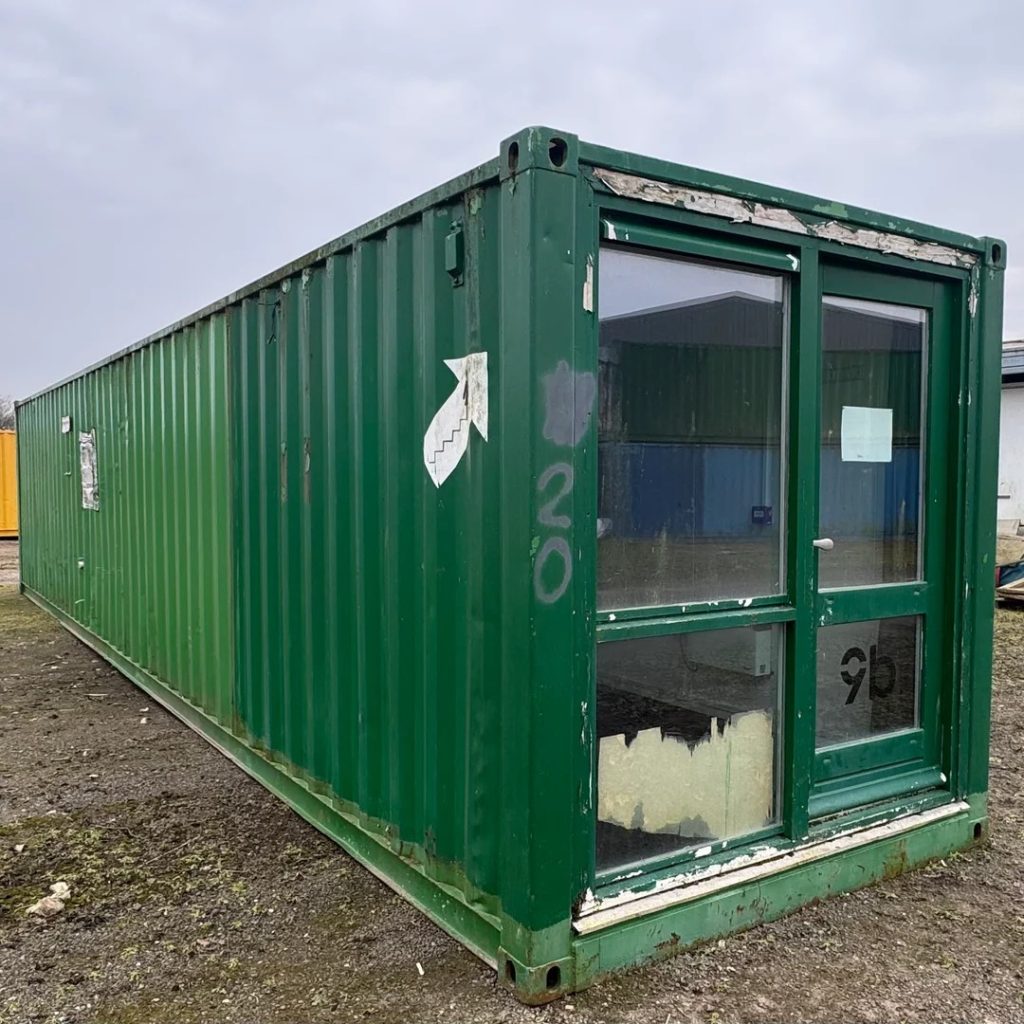
The Smart Way to Save Money, Space, and the Planet – A Deep Dive into Second‑Hand Containers
If you’re anything like most people trying to juggle a busy life, you’ve probably found yourself staring at a cluttered pantry, a garage full of mismatched boxes, or a kitchen that’s begging for a little organization. The solution? Second‑hand containers.
They’re affordable, eco‑friendly, and—when you know what to look for—just as functional (if not more so) than brand‑new storage solutions. In this guide you’ll discover how to choose, repurpose, and maintain pre‑loved containers so they become the unsung heroes of your home, office, or workshop.
Why Go Second‑Hand?
| Benefit | Explanation | Real‑World Impact |
|---|---|---|
| Cost Savings | Used containers often sell for 30‑80 % less than retail. | A set of 20 1‑gal plastic bins that would cost $120 new can be yours for $30 used. |
| Environmental Footprint | Extends the life cycle of plastic, metal, and glass, reducing landfill waste. | Every reused plastic bin prevents roughly 0.5 kg of new plastic from being produced. |
| Variety & Uniqueness | Vintage metal tins, quirky mason jars, and industrial‑grade totes are more likely to be found second‑hand. | You can deck out a home bar with retro soda bottles that you’d never see in a modern store. |
| Durability | Many industrial‑grade containers are built to last decades, far outlasting cheap new ones. | Heavy‑duty drum crates hold up to 200 lb and can survive drops that would crush a flimsy new tote. |
| Immediate Availability | In thrift stores, garage sales, or online marketplaces you can often take the container home the same day. | No waiting for shipping or back‑order delays. |
The bottom line: Choosing second‑hand containers isn’t just a money‑saving hack; it’s a lifestyle upgrade that benefits the planet and adds character to your spaces.
1. Where to Hunt for Second‑Hand Containers
- Thrift Stores & Consignment Shops – Places like Goodwill, Salvation Army, and local resale boutiques often have a “kitchen” or “home goods” section stocked with jars, bins, and even large plastic crates.
- Online Marketplaces – Facebook Marketplace, Craigslist, OfferUp, and eBay let you filter by location, price, and condition.
- Garage & Yard Sales – Early‑morning rummaging can yield hidden gems (think old metal toolboxes or bulk food containers).
- Recycling Centers – Some municipal recycling depots allow the public to take “clean” containers after sorting.
- Industrial Surplus Stores – Think of places that sell used pallets, drums, and bulk storage solutions to businesses; they often have a “clearance” bin for gently used items.
Quick Tip
When you spot a stack of containers, inspect for odor, cracks, and warping before you buy. A quick sniff test (especially for glass or food‑grade plastic) can save you from hidden contamination.
2. Types of Second‑Hand Containers & Their Best Uses
| Container Type | Typical Materials | Ideal Uses | Pros | Cons |
|---|---|---|---|---|
| Mason Jars | Glass, metal lid | Food storage, beverage serving, décor | Airtight, reusable, stylish | Heavy, can break |
| Plastic Bins (HDPE/PP) | High‑density polyethylene, polypropylene | Bulk pantry items, laundry, garage organization | Light, stackable, often with lids | May stain, can warp under heat |
| Metal Tins & Drums | Steel, aluminum | Workshop tools, garden soil, craft supplies | Very durable, weather‑resistant | Can rust if coating is damaged |
| Cardboard Boxes | Corrugated cardboard | Shipping, moving, temporary storage | Cheap, recyclable | Not waterproof, low weight capacity |
| Glass Jars (e.g., pickle, jam) | Glass | Spice storage, kitchen canning, visual display | Non‑porous, aesthetic | Fragile |
| Fabric Storage Bins | Canvas, polyester | Clothing, linens, soft toys | Collapsible, lightweight | Not ideal for heavy items |
| Plastic Crates (Euro‑style) | PET, PP | Office supplies, pantry, kids’ toys | Stackable, strong, reusable lids | May have residual smells |
How to decide? Think about what you’ll store, where it will sit, and how often you’ll need to access it. For example, heavy hardware belongs in a metal tin, whereas daily‑use snacks are perfect for a stack of clear plastic bins.
3. Five Simple Steps to Give Your Second‑Hand Containers a Fresh Start
- Wash & Sanitize
- Plastic & Glass: Soak in warm, soapy water for 10 minutes, then rinse. For an extra kill‑step, fill with a solution of 1 tbsp bleach per gallon of water, let sit 5 minutes, then rinse thoroughly.
- Metal: Use a mild abrasive (baking soda paste) to remove rust spots, then wipe with a vinegar‑water rinse.
- Cardboard: Lightly vacuum the interior, then spray with a disinfectant spray; let air‑dry.
- Inspect for Damage
- Look for cracks, splits, or broken hinges. Small hairline cracks in plastic can be repaired with a food‑grade epoxy if you plan to store food.
- For metal containers, check the sealing gasket; a worn gasket can be swapped out inexpensively online.
- Label & Color‑Code
- Purchase cheap chalkboard stickers or printed labels. Assign colors to categories (e.g., green for cleaning supplies, blue for pantry staples).
- This small step cuts down on rummaging time dramatically.
- Add Custom Features
- Handles: Glue on a sturdy rope or paracord to plastic bins for easier transport.
- Dividers: Cut cardstock or thin plywood to create compartments inside larger jars.
- Lid Inserts: Repurpose silicone cupcake liners as protective layers to prevent scratches.
- Store Smart
- Keep heavy items on lower shelves to avoid top‑heavy collapses.
- Stack containers only if they’re designed to interlock; otherwise, use a shelf liner to prevent sliding.
4. Creative Repurposing Ideas
- Mini‑Garden in Mason Jars: Fill with soil, add succulents, and line the shelves of your kitchen for a fresh herb garden.
- Tool Caddy from a Metal Tin: Use a cleaned paint can with drilled holes as a portable screwdriver holder.
- Snack Station: Arrange assorted plastic bins on a rolling cart for a kid‑friendly “snack bar” that moves with you.
- Office Supply Hub: Convert a set of sturdy cardboard boxes into a drawer-less filing system—label each box for pens, paper clips, and sticky notes.
- DIY Laundry Hamper: Line a large plastic crate with a decorative fabric bag for an inexpensive, stylish hamper.
5. Frequently Asked Questions (FAQ)
Q1: Are second‑hand containers safe for food storage?
A: Yes—provided they’re made from food‑grade material (e.g., HDPE, PP, glass) and you clean them thoroughly. Avoid containers that previously held chemicals, oil, or strong odors unless you can guarantee no residue remains.
Q2: How do I eliminate lingering smells?
A: Soak the container in a solution of one part white vinegar to two parts water for an hour, then rinse. For stubborn odors, sprinkle baking soda inside, let sit overnight, then wash.
Q3: Can I reuse large industrial drums for household purposes?
A: Absolutely, but only after a rigorous cleaning (including a bleach solution) and inspection for rust. Adding a food‑grade liner (e.g., a large silicone bag) provides extra protection.
Q4: What’s the best way to keep plastic containers from warping in a hot kitchen?
A: Store them away from direct heat sources. If you need to store hot leftovers, let food cool to room temperature before transferring to plastic, or use glass containers for high‑heat items.
Q5: How do I recycle containers I no longer need?
A: Check your local recycling program’s guidelines. Glass jars go into the glass stream, rigid plastics into the #1 or #2 categories, and metal tins often belong in the “metal” bin. If they’re contaminated (e.g., with food residue), rinse thoroughly first.
6. Checklist: Your Second‑Hand Container Buying Guide
| ✅ | Action Item |
|---|---|
| 1 | Set a Budget: Decide how much you’re willing to spend per container or per set. |
| 2 | Identify Materials: Know the difference between food‑grade plastic, glass, and metal. |
| 3 | Inspect Condition: Look for cracks, warping, rust, and odors. |
| 4 | Measure Space: Bring a tape measure to ensure the container fits your shelves or drawers. |
| 5 | Negotiate Price: Bundle multiple items for a discount. |
| 6 | Plan for Cleaning: Have a cleaning solution (soap, bleach, vinegar) ready before you bring the container home. |
| 7 | Label Early: Keep a few blank labels or a marker handy for immediate labeling. |
| 8 | Document Purchase: Note where you bought it and any warranties (some thrift stores offer a 30‑day return). |
| 9 | Think Repurpose: Jot down possible alternative uses in case the original purpose changes. |
| 10 | Recycle When Done: Know the nearest recycling center or donation spot. |
7. Real‑World Success Story
Meet Sarah, a busy mom of three who turned her chaotic pantry into a sleek, organized oasis using only second‑hand containers.
- The Challenge: A pantry filled with mismatched, broken boxes, and an overflowing countertop.
- The Solution: Over three weekends, Sarah scoured local thrift stores and a nearby “industrial surplus” shop. She collected: 12 clear HDPE bins (2‑gal each), 8 mason jars, 4 metal tins, and a stack of sturdy cardboard boxes.
- The Process: She cleaned each piece with a vinegar‑water solution, labeled them with color‑coded stickers, and arranged them by food category.
- The Result: A 30 % reduction in pantry footprint, an aesthetic “gallery wall” of mason jars for spices, and a $85 savings compared to buying new.
Sarah’s story illustrates how a little time and imagination can transform second‑hand finds into functional, beautiful storage solutions.
8. Final Thoughts: Making the Most of Second‑Hand Containers
You’ve just unlocked a powerful, budget‑friendly, and environmentally responsible strategy for decluttering and organizing your life. By:
- Seeking out the right sources,
- Choosing the appropriate material for each task,
- Cleaning, inspecting, and customizing each piece,
…you can turn yesterday’s discarded containers into today’s essential tools.
Give yourself permission to think creatively—maybe that dented metal drum becomes a stylish planters’ base, or that stack of clear plastic bins becomes a “grab‑and‑go” snack station for the kids.
Remember: The best containers aren’t the ones with the flashiest branding; they’re the ones that fit your routine, protect your belongings, and keep your space tidy—without breaking the bank or the planet.
So next time you walk past a row of dusty boxes at a thrift shop, pause. Pick one up, give it a quick wash, and imagine the endless ways it could serve you. Your future organized self will thank you.
Happy hunting! 🚀
Quick Reference Table – “Starter Pack” for Different Rooms
| Room | Container Type | Quantity | Typical Use | Where to Find |
|---|---|---|---|---|
| Kitchen | Mason jars (16 oz) | 8 | Spices, dried herbs, snacks | Thrift store |
| Kitchen | Clear HDPE bins (1 gal) | 6 | Bulk staples (rice, pasta) | Online Marketplace |
| Bathroom | Small glass jars (8 oz) | 4 | Cotton balls, Q‑tips | Garage sale |
| Bathroom | Fabric storage bins | 2 | Towels, toilet paper | Consignment shop |
| Garage | Metal tins (5 gal) | 3 | Tools, bolts, screws | Industrial surplus |
| Office | Cardboard boxes (medium) | 5 | Files, supplies | Recycling center |
| Kids’ Room | Plastic crates (12 in) | 4 | Toys, art supplies | Facebook Marketplace |
| Outdoor | Large metal drum (55 gal) | 1 | Garden soil, compost | Yard sale |
Feel free to mix‑and‑match these suggestions to suit your unique space and needs. Happy organizing!