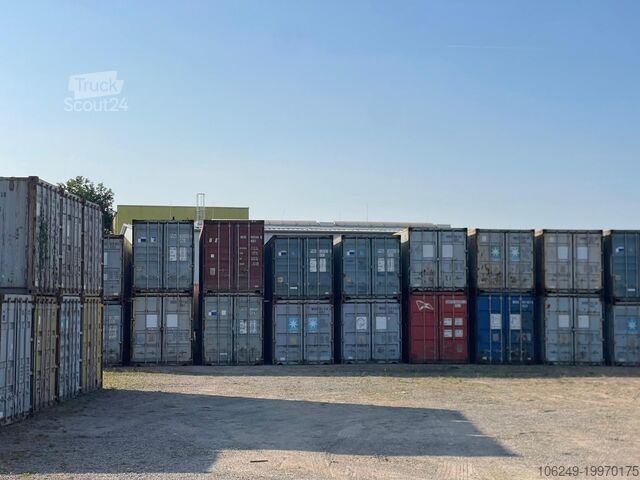
Second‑Hand Shipping Containers for Sale: What You Need to Know Before You Buy
If you’ve ever browsed the internet for “shipping containers for sale,” you’ve probably noticed two distinct listings: brand‑new units and second‑hand (used) containers. While the latter often looks like the obvious way to save money, buying a pre‑owned container is more than just a price‑check exercise. It’s a decision that can affect your budget, timeline, and the long‑term functionality of whatever project you have in mind—whether it’s a backyard office, a pop‑up shop, a storage solution, or a full‑scale modular building.
In this post you’ll discover:
- Why buying second‑hand can be a smart move, and where the pitfalls lie.
- A step‑by‑step checklist to evaluate a used container’s condition.
- A price‑comparison table that breaks down typical costs by size and grade.
- Practical advice on transport, permits, and modifications.
- A FAQ that answers the most common questions about used containers.
Let’s dive in and make sure you walk away with a container that truly fits your needs.
1. Why Consider a Second‑Hand Container?
| Benefit | Explanation |
|---|---|
| Lower Purchase Price | Used containers can cost 30‑70 % less than brand‑new units, depending on age, condition, and market demand. |
| Faster Availability | Since they’re already built, many suppliers have inventory on hand, meaning you can often ship within days rather than weeks. |
| Environmental Advantage | Repurposing a container keeps it out of the scrap stream and reduces the demand for new steel production—a small but meaningful sustainability win. |
| Flexibility for DIY Projects | If you plan to do most of the conversion yourself, a second‑hand container offers a “blank canvas” at a fraction of the cost. |
When a Used Container Might Not Be Ideal
- Highly Specialized Projects – If you need precise insulation, fire‑rating, or structural modifications, a new container built to exact specs can be a safer bet.
- Strict Regulatory Environments – Certain jurisdictions require certified, traceable containers for temporary structures; a used unit may lack the required documentation.
- Limited Budget for Repairs – If you have no wiggle room for unforeseen repairs (e.g., rust repairs or structural reinforcement), the savings on purchase price could evaporate quickly.
2. Understanding Container Grades
Most vendors categorize used containers into grades based on their condition. Knowing the grades helps you compare apples to apples.
| Grade | Typical Condition | Ideal Use Cases | Approx. Price Range* |
|---|---|---|---|
| A‑Grade (One‑Trip) | Almost brand‑new; minimal wear, no dents, no rust. | High‑visibility retail, premium pop‑up shops. | $2,500‑$5,000 (20‑ft) |
| B‑Grade (One‑Trip + Minor Damage) | Small dents, light rust, minor paint wear. | Workshops, storage, custom builds where aesthetics are secondary. | $1,800‑$3,800 (20‑ft) |
| C‑Grade (Two‑Trip) | Noticeable dents, moderate rust, possible structural patch‑ups. | Low‑cost garages, temporary shelters. | $1,200‑$2,400 (20‑ft) |
| D‑Grade (Three‑Trip+) | Heavy rust, large dents, possible holes. Requires extensive refurbishment. | Projects with high budget for refurbishment, or scrap for metal. | $800‑$1,500 (20‑ft) |
* Prices are US averages in 2024; actual costs vary by region, supplier, and market fluctuations.
3. How to Inspect a Used Container – A Practical Checklist
Before you sign a purchase order, run through this 15‑point inspection. Treat it like a car pre‑purchase inspection; you’ll avoid costly surprises later.
| # | Inspection Item | What to Look For |
|---|---|---|
| 1 | Exterior Rust | Surface rust is OK; deeper corrosion that pits the steel is a red flag. |
| 2 | Dents & Deformations | Small dents <1 in are acceptable; large dents can affect structural integrity. |
| 3 | Doors & Hinges | Operate smoothly, no bent hinges, seals intact. |
| 4 | Corner Castings | Check for cracks or missing bolts—critical load‑bearing points. |
| 5 | Floor Condition | Look for buckling, water damage, or excessive wear. |
| 6 | Roof Panels | Ensure panels are intact, no holes, and no signs of water infiltration. |
| 7 | Paint & Coating | Faded paint is fine; blistering or flaking indicates moisture underneath. |
| 8 | Interior Condition | Inspect for interior rust, especially around doors and joints. |
| 9 | Structural Modifications | Verify any welds or cuts were professionally done. |
| 10 | Certification Papers | Request the original CSC (Container Safety Certificate) and any inspection reports. |
| 11 | Weight & Load Rating | Confirm the container’s tare weight and maximum gross weight. |
| 12 | Pest Infestation | Look for signs of rodents, insects, or nests. |
| 13 | Electrical & HVAC Installations | If present, test functionality and verify compliance with codes. |
| 14 | Clearance for Modifications | Ensure there’s enough material thickness to accommodate planned cuts. |
| 15 | Transport Logistics | Verify dimensions, road permits (if oversized), and loading equipment availability. |
Tip: Bring a flashlight, a magnet (to test for hidden rust), and a small level to check floor flatness. If you’re not comfortable doing this yourself, consider hiring a professional inspector—most container brokers can recommend one for a modest fee.
4. Pricing: What Influences the Cost of a Second‑Hand Container?
- Age & Grade – Newer, higher‑grade containers command higher prices.
- Size – The most common dimensions are 20‑ft and 40‑ft; the latter costs roughly 1.5‑2× a 20‑ft unit.
- Location – Proximity to ports, rail yards, or major shipping routes reduces transport fees.
- Supply/Demand – During global shipping shortages, even used containers can see price spikes.
- Modifications – Pre‑cut doors, windows, or insulation add to the base cost.
- Delivery Distance – Long‑haul trucking or rail fees can add $1‑$3 per mile, depending on region.
Below is a ballpark price matrix for the United States (2024) that includes typical delivery fees for a 200‑mile radius.
| Size | Grade | Base Price (USD) | Avg. Delivery (200 mi) | Total Approx. Cost |
|---|---|---|---|---|
| 20‑ft | A‑Grade | $4,200 | $800 | $5,000 |
| 20‑ft | B‑Grade | $3,100 | $800 | $3,900 |
| 20‑ft | C‑Grade | $2,200 | $800 | $3,000 |
| 40‑ft | A‑Grade | $7,500 | $1,200 | $8,700 |
| 40‑ft | B‑Grade | $5,800 | $1,200 | $7,000 |
| 40‑ft | C‑Grade | $4,200 | $1,200 | $5,400 |
Delivery prices assume standard flat‑bed trucking; rail or sea transport varies.
5. From Purchase to Placement: The Logistics Checklist
- Secure a Quote – Request written quotes from at least three reputable suppliers. Include price, grade, delivery, and any warranty information.
- Verify Ownership – Ask for the container’s CSC number and confirm its status via a global container tracking database (e.g., BIC Container).
- Arrange Transport – Choose a carrier experienced with containers; confirm they have the proper permits for oversized loads if you plan a 40‑ft unit.
- Prepare the Site – Level the ground, add a concrete pad or steel footings, and ensure drainage to avoid water pooling.
- Obtain Permits – Check local zoning ordinances. Some municipalities require a building permit even for a simple storage container.
- Inspect Upon Delivery – Do a quick visual check; note any damage incurred during transport and document it for the supplier.
- Finalize Modifications – Whether you’re adding insulation, windows, or interior walls, plan the work after the container is on‑site to avoid re‑handling.
6. Modifying a Second‑Hand Container: What’s Feasible?
Common DIY upgrades
- Insulation – Spray foam or rigid board; remember to seal all seams for thermal efficiency.
- Electrical & Lighting – Install conduit and LED fixtures; always follow NEC (National Electrical Code) guidelines.
- Doors & Windows – Cut openings with a plasma cutter or angle grinder; reinforce the frame with steel studs.
- Interior Partitioning – Use metal studs and drywall or plywood for offices, dormitories, or retail counters.
Professional modifications
If you need structural reinforcements, fire‑rated walls, or HVAC systems, hire a certified contractor. They’ll ensure the modifications meet local building codes and maintain the container’s load‑bearing capacity.
7. Frequently Asked Questions (FAQ)
| Question | Answer |
|---|---|
| Can I buy a used container online and have it shipped to my backyard? | Yes. Most brokers offer nationwide delivery. However, you’ll need a level pad, access for a flat‑bed truck, and any required local permits. |
| How long do second‑hand containers typically last? | With proper maintenance (regular rust treatment, interior coating, and roof upkeep), a container can easily exceed 30 years. The steel itself has a lifespan of 50+ years. |
| Do I get any warranty on a used container? | Many dealers provide a limited 90‑day warranty covering major structural defects. Read the fine print; “as‑is” sales are common for the lowest grades. |
| What’s the difference between a “one‑trip” and a “two‑trip” container? | “One‑trip” means the container has completed a single ocean voyage from factory to destination. “Two‑trip” units have been used, returned, and possibly refurbished, so they’re older and may show more wear. |
| Is it legal to convert a container into a living space? | Yes, but you must comply with local building codes, obtain a residence permit, install proper insulation, ventilation, and fire safety measures. |
| How can I spot hidden rust inside the container? | Use a magnet: if it doesn’t stick to certain spots on the interior walls, the protective coating may have been compromised, indicating possible rust underneath. |
| What financing options exist for buying used containers? | Some suppliers partner with equipment leasing companies offering lease‑to‑own plans. Alternatively, a small business loan or personal line of credit can be used—just factor in the container’s depreciation. |
| Do I need to deregister a used container before it’s shipped to a new country? | Generally, the container’s CSC remains valid worldwide, but you may need to provide a Bill of Lading and customs clearance documents specific to the destination country. |
| Can I stack two used containers? | Yes, but only if they’re rated for stacking (usually C‑type or higher) and the foundation can support the combined load. Consult the manufacturer’s stacking specifications. |
| What’s the best way to protect a container from rust after purchase? | Apply a marine‑grade primer followed by a high‑quality topcoat, especially in humid climates. Regularly inspect and touch up any chips. |
8. Bottom Line – Is a Second‑Hand Container Right for You?
If you’re looking for a cost‑effective, quickly available, and environmentally friendly building block, a second‑hand shipping container can be an excellent choice. The key is due diligence: verify the container’s grade, inspect for structural integrity, understand the total cost (including delivery and modifications), and comply with local regulations.
To summarize, here’s a quick decision‑making flow you can follow:
- Define Your Project Requirements – Size, load capacity, insulation needs, and aesthetic preferences.
- Set a Budget – Include purchase price, delivery, site work, and renovation costs.
- Research Suppliers – Look for reviews, request CSC numbers, and compare quotes.
- Inspect & Verify – Use the 15‑point checklist and ask for any existing inspection reports.
- Plan Logistics – Secure transport, permits, and site preparation before the container arrives.
- Execute Modifications – DIY if you’re handy; otherwise, hire certified professionals.
By following these steps, you’ll minimize surprises and maximize the value you get out of a second‑hand container. Happy building!