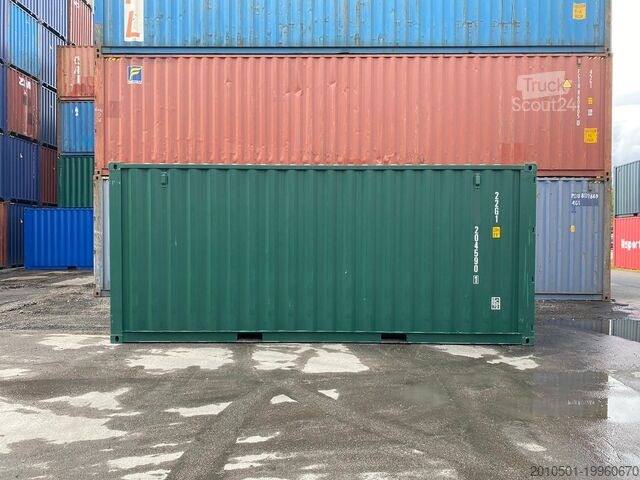
Everything You Need to Know About Ship Containers
Your ultimate guide to the metal boxes that keep global trade moving.
1. Why Ship Containers Matter to You
If you’ve ever ordered a gadget from overseas, bought a piece of furniture that arrived on a pallet, or watched a cargo ship cut through the horizon, you’ve benefited from ship containers. These standardized steel boxes are the backbone of modern logistics, turning what used to be a chaotic mix of crates, barrels, and loose cargo into a predictable, efficient, and cost‑effective system.
In this post you’ll learn:
- The different types of containers and their precise dimensions.
- How containers travel from factory floor to your front door.
- What to consider when you need to rent, buy, or charter a container.
- Key cost drivers and how to read shipping quotes.
- Emerging trends such as “smart” containers and eco‑friendly designs.
All of this is presented in a second‑person voice so you can instantly picture yourself making smarter decisions about your cargo.
2. The Core Family of Ship Containers
Below is a quick‑reference table that captures the most common container classes you’ll encounter. The numbers are based on the ISO 668 standard, the global rulebook for container dimensions.
| Container Type | External Dimensions (L × W × H) | Internal Volume | Maximum Gross Weight | Typical TEU Rating | Best‑Fit Use Cases |
|---|---|---|---|---|---|
| 20‑Foot Dry (20′ DRY) | 20 ft × 8 ft × 8 ft 2 in (6.06 m × 2.44 m × 2.59 m) | 33 m³ | 24 t | 1 TEU | Small appliances, textiles, pallets |
| 40‑Foot Dry (40′ DRY) | 40 ft × 8 ft × 8 ft 2 in (12.19 m × 2.44 m × 2.59 m) | 67 m³ | 30 t | 2 TEU | Furniture, machinery, bulk boxes |
| 40‑Foot High Cube (40′ HC) | 40 ft × 8 ft × 9 ft 6 in (12.19 m × 2.44 m × 2.90 m) | 76 m³ | 30 t | 2 TEU | Stacked cartons, longer items, lighter but bulky goods |
| 45‑Foot High Cube (45′ HC) | 45 ft × 8 ft × 9 ft 6 in (13.72 m × 2.44 m × 2.90 m) | 86 m³ | 30 t | 2.25 TEU | Oversized industrial parts, large‑scale furniture |
| Refrigerated (40′ Reefer) | 40 ft × 8 ft × 8 ft 6 in (12.19 m × 2.44 m × 2.59 m) | 65 m³ | 30 t | 2 TEU | Perishables, pharmaceuticals, chemicals that need temperature control |
| Open‑Top (20′/40′) | Same as dry, but removable roof | 33 m³ / 67 m³ | 24 t / 30 t | 1 / 2 TEU | Heavy machinery, bulk cargo that can’t fit through doors |
| Flat‑Rack (20′/40′) | Same footprint, collapsible sidewalls | 30 m³ / 60 m³ | 24 t / 30 t | 1 / 2 TEU | Steel beams, pipes, vehicles |
Quick tip: When you see a container spec listed as “2 TEU,” think “two standard 20‑foot boxes.” This helps you estimate how many pallets you can fit inside.
3. How a Container Moves From Factory to Your Door
Below is the typical journey of a container, broken down into seven easy‑to‑follow steps. Keep this flowchart in mind whenever you’re planning a shipment; each stage has its own set of decisions and potential pitfalls.
- Manufacturing & Pre‑Loading – The supplier packs the goods into the container, seals it with a high‑security bolt‑seal, and records the seal number.
- Inland Transport to Port – A truck or rail wagon hauls the sealed box to the departure terminal.
- Customs Clearance (Export) – The export authority verifies paperwork, assigns a Bill of Lading (B/L), and releases the container for loading onto a vessel.
- Ocean Freight – The ship’s stowage plan slots the container into a specific bay, row, and tier. This placement influences discharge speed at the destination port.
- Transit & Tracking – While at sea, you can monitor the container via AIS (Automatic Identification System) or, for smart containers, through IoT sensors that report location, temperature, and shock events.
- Port Arrival & Import Clearance – The receiving port’s customs examine the B/L, release the container, and hand it over to a local freight forwarder.
- Final Delivery – The forwarder arranges a final leg—truck, rail, or even a drayage service—to bring the container to your warehouse, distribution center, or directly to your customers.
Pro tip: If you need faster discharge, ask your carrier for a “priority slot” in the stowage plan. It may cost a little more, but it can shave a day or two off the delivery window.
4. Choosing the Right Container for Your Cargo
When you’re deciding which container to charter, consider the following checklist. Tick off each item before you sign the rental agreement.
- Size & Shape – Does the cargo fit comfortably in a 20‑ft box, or does it need the extra height of a high‑cube?
- Weight vs. Volume – Heavy but compact items (e.g., metal parts) are better in a standard dry container; bulky but light items (e.g., blankets) may need a high‑cube for better space utilization.
- Temperature Sensitivity – Perishables demand a refrigerated (reefer) unit, while most dry goods are fine in a regular container.
- Load Type – Oversized or oddly shaped pieces often require an open‑top or flat‑rack container.
- Regulatory Compliance – Dangerous goods may need specialized containers (e.g., hazardous material (IMDG) certified).
- Transit Time – Faster routes may allow you to use a smaller, more readily available container to avoid waiting for a larger one.
Below is a side‑by‑side comparison of cost, durability, and ideal cargo for three popular container sizes. Prices are illustrative averages for a 30‑day charter in a major North Atlantic trade lane (USD).
| Container | Average 30‑Day Charter | Typical Lifespan (years) | Ideal Cargo |
|---|---|---|---|
| 20‑Foot Dry | $1,200 | 12‑15 | Small electronics, apparel |
| 40‑Foot High Cube | $2,200 | 12‑15 | Furniture, canned goods |
| 40‑Foot Reefer | $4,800 | 10‑12 | Fresh produce, pharmaceuticals |
Takeaway: While reefers are the most expensive, the added temperature control can prevent spoilage and ultimately save you money on product loss.
5. What Drives Shipping Costs?
Understanding the pricing formula helps you negotiate smarter rates. The table below lists the primary cost components and the typical range you’ll see in a shipping quote.
| Cost Component | What It Covers | Typical Range (USD) |
|---|---|---|
| Base Freight | Vessel capacity, route distance | $500–$2,500 per TEU (depending on lane) |
| Bunker Surcharge | Fuel price fluctuations | $100–$400 per TEU |
| Port Handling | Loading/unloading, terminal fees | $150–$350 per TEU |
| Documentation & Customs | Bill of Lading, clearance fees | $50–$200 per container |
| Insurance | Cargo coverage (usually 0.5 % of cargo value) | Variable |
| Extra Services | Detention, demurrage, repositioning | $30–$150 per day (if applicable) |
Quick tip: If you’re a repeat shipper, negotiate a volume discount on the Base Freight. Carriers often offer 5 %–10 % off for quarterly or annual contracts.
6. Safety, Security, and Regulations You Must Know
Shipping containers are robust, but they’re not invulnerable. Follow these best practices to keep your cargo safe:
- Seal Integrity – Always record the seal number and verify it upon arrival. Any tampering should be reported immediately.
- Weight Distribution – Overloading one end can cause the container to become unstable on the ship, leading to cargo shift in rough seas.
- Inspection – Conduct a visual inspection for dents, rust, or broken corners before loading.
- Compliance – Ensure your container meets the International Convention for Safe Containers (CSC) and any local regulations (e.g., US Customs-Trade Partnership Against Terrorism – C‑TPAT).
- Hazardous Materials – Use the proper IMDG Code classification, labeling, and packaging. Some dangerous goods require a dangerous goods container (DG) with ventilation and fire‑suppression features.
7. Emerging Trends: Smart & Green Containers
The shipping industry is evolving, and containers are at the forefront of innovation.
- IoT‑Enabled Sensors – Real‑time temperature, humidity, tilt, and location data are now streamed to cloud dashboards. This reduces the risk of spoilage and lets you intervene before a problem escalates.
- Solar‑Powered Reefer Units – Some modern reefers use solar panels on the container roof to supplement power, lowering reliance on diesel generators.
- Carbon‑Neutral Shipping – Companies are experimenting with bio‑fuel powered vessels and containerized carbon capture modules to offset emissions.
- Modular Design – New container concepts feature interchangeable wall panels, allowing you to switch between dry, refrigerated, or ventilated modes without swapping the whole box.
Future outlook: By 2030, analysts predict that at least 30 % of containers on major trade routes will be equipped with some form of digital monitoring.
8. Frequently Asked Questions (FAQ)
| Question | Answer |
|---|---|
| What does “TEU” stand for? | TEU = Twenty‑Foot Equivalent Unit, the standard measurement of container capacity. One 20‑ft container equals 1 TEU; a 40‑ft container equals 2 TEU. |
| Can I reuse a container for storage after it arrives? | Absolutely. Many businesses repurpose used containers for on‑site storage, pop‑up shops, or even modular buildings. Just ensure the container is clean, structurally sound, and complies with local zoning codes. |
| How long does a typical ocean transit take from Shanghai to Los Angeles? | Roughly 14–18 days, depending on the carrier, route (via the Pacific), and weather conditions. |
| What is demurrage? | A fee charged by the carrier when a container stays longer than the free‑time allowance at the port or terminal. It encourages quick cargo pickup. |
| Do I need to purchase insurance for my container? | While carriers carry liability for the container itself, you are generally responsible for the cargo’s value. Cargo insurance (e.g., All‑Risk policy) is highly recommended. |
| Are there size limits for road transport of containers? | In most countries, a standard 40‑ft container on a trailer conforms to legal dimensions (up to 8 ft 6 in height). Anything taller (e.g., high‑cube) may require special permits. |
| Can I track a container myself? | Yes. Once a B/L is issued, you receive a container number (e.g., MSKU1234567) that you can enter on the carrier’s tracking portal or on third‑party AIS tracking sites. |
| What happens if a container is damaged during transit? | Report the damage to the carrier within 24 hours of receipt. You’ll likely fill out a Damage Report Form and may need to file a claim with the carrier’s insurance. |
9. Wrapping It All Up
Ship containers may look like simple metal boxes, but they are sophisticated, standardized tools that make global trade possible. By understanding the types, dimensions, cost drivers, and best practices outlined above, you can:
- Choose the most efficient container for your cargo.
- Avoid hidden fees such as demurrage or unexpected fuel surcharges.
- Keep your goods safe, compliant, and on schedule.
- Leverage new technologies that give you real‑time visibility and a greener supply chain.
The next time you place an order overseas, you’ll know exactly what’s happening inside that steel box as it sails across oceans, and you’ll be equipped to make smarter, more cost‑effective shipping decisions. Happy shipping! 🚢✨