How to Buy a Shipping Container: A Complete Guide for First‑Time Buyers
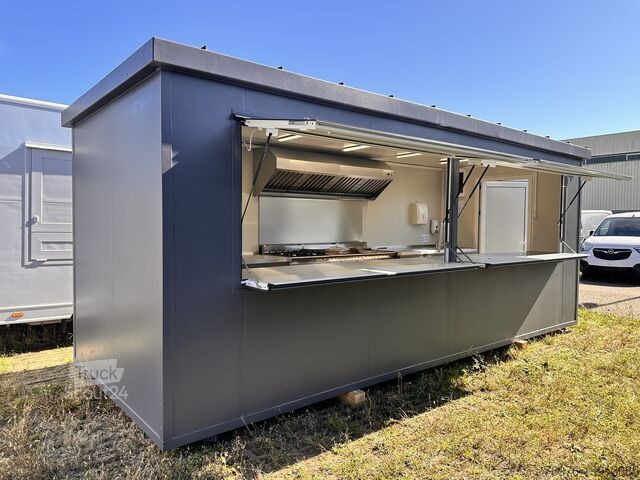
If you’re reading this, chances are you’ve spotted a sleek steel box sitting on a dock, a vacant lot, or a construction site and thought, “That could be mine.” Shipping containers have migrated far beyond their original purpose of transporting goods across oceans. Today they serve as pop‑up shops, tiny homes, on‑site offices, and even art installations.
Buying a container is surprisingly straightforward—once you know what to look for, how to evaluate costs, and which pitfalls to avoid. This guide walks you through every step, from selecting the right size to sealing the deal, and includes handy tables, checklists, and a FAQ to keep you on track.
1. Why Buy a Shipping Container?
| Benefit | Explanation |
|---|---|
| Durability | Made from C‑grade marine steel, containers resist rust, wind, and extreme temperatures. |
| Portability | Standard dimensions mean they can be lifted by a crane, placed on a trailer, or even shipped overseas again. |
| Affordability | A new 20‑ft container can cost $2,500–$4,500, while a used one may be under $2,000—much cheaper than building a traditional structure of comparable size. |
| Modularity | Stack, link, or combine units to create larger spaces without major structural redesign. |
| Security | Heavy steel walls, lockable doors, and tamper‑proof hinges keep contents safe. |
| Eco‑Friendly | Reusing a container gives a second life to a product that would otherwise become waste. |
If any of these hit a nail on the head for your project, you’re already motivated enough to take the next step.
2. Container Types You Can Purchase
| Type | Typical Dimensions (L×W×H) | Common Uses | Pros | Cons |
|---|---|---|---|---|
| Standard Dry Container (20 ft) | 20′ × 8′ × 8′6″ | Storage, small offices, pop‑up shops | Small footprint, lower price | Limited interior height |
| Standard Dry Container (40 ft) | 40′ × 8′ × 8′6″ | Workshops, larger homes, warehouse space | More floor area | Heavier, may need stronger crane |
| High‑Cube (40 ft HC) | 40′ × 8′ × 9′6″ | Living spaces, labs, data centers | Extra 1 ft of headroom | Slightly higher price, higher wind profile |
| Reefer (Refrigerated) | Same as dry but insulated & fitted with cooling unit | Cold storage, food trucks | Built‑in temperature control | Expensive, requires power |
| Open‑Top | Same as dry but with removable roof | Bulk cargo, heavy equipment | Easy loading from top | Less weather‑proof |
| Flat‑Rack | Same length, collapsible sidewalls | Oversized cargo (machinery, vehicles) | Load flexibility | Reduced security, less insulation |
| Specialty (e.g., office, cabin, modified) | Varies | Offices, tiny homes, retail | Ready‑to‑use interiors | Higher price, limited customization after purchase |
Tip: For most DIY conversions, a standard 40‑ft high‑cube strikes the best balance of space and comfort.
3. Where to Source a Shipping Container
- Port Authority or Terminal Operators – They sell “de‑marinated” containers that have been off‑loaded from ships and are often in excellent condition.
- Specialized Container Dealers – Companies that focus on new, used, or refurbished units and usually provide delivery, permits, and optional modifications.
- Online Marketplaces – Platforms like eBay, Craigslist, and specialized sites (e.g., ContainerAuction.com) list private sellers.
- Local Construction Suppliers – Some contractors keep a stock of surplus containers.
What to ask before committing:
- Is the container ISO‑certified? (ISO 668 defines standard dimensions.)
- What is the age and last inspection date?
- Are there any structural damages (dents, rust pits, bent corners)?
- Does the price include delivery and permits?
4. Budgeting: How Much Will It Cost?
Below is a quick cost‑breakdown for a typical 40‑ft high‑cube container purchased in the United States (prices vary by region and market conditions).
| Item | New | Used (1–3 years old) | Used (4+ years) |
|---|---|---|---|
| Container price | $4,500 – $6,500 | $2,500 – $3,800 | $1,800 – $2,500 |
| Delivery (up to 50 mi) | $300 – $500 | $300 – $500 | $300 – $500 |
| Permit & inspection | $100 – $250 | $100 – $250 | $100 – $250 |
| Optional modifications* | $1,000 – $5,000+ | $500 – $3,000+ | $500 – $3,000+ |
| Total (average) | $5,900 – $7,250 | $3,200 – $4,550 | $2,600 – $3,800 |
*Modifications can include door upgrades, insulation, windows, interior framing, electrical wiring, and HVAC.
Hidden costs to watch for:
- Inspection fees if a third‑party surveyor is required.
- Ground preparation (gravel pad, concrete footings).
- Insurance for transport and on‑site storage.
- Taxes (sales tax may apply depending on state).
5. Step‑by‑Step Checklist: From Search to Installation
- Define Your Project – Determine the size, type, and any special features (e.g., insulation, doors).
- Research Local Regulations – Zoning codes may dictate setbacks, foundation type, or fire‑rating requirements.
- Set a Realistic Budget – Include container cost, delivery, site prep, and modifications.
- Find Reliable Suppliers – Use the sourcing list above, read reviews, and request photos of the actual container.
- Inspect the Unit – Look for:
- Uniform panel color (signs of extensive rust).
- No buckling or severe dents on corners.
- Intact door hinges and seals.
- Clean interior (no remnants of previous cargo).
- Negotiate Price & Terms – Ask about bulk discounts if buying multiple containers.
- Arrange Delivery – Confirm access route, crane availability, and any required permits.
- Prepare the Site – Level ground, erect a foundation (gravel pad or concrete pier).
- Secure the Container – Anchor with steel straps, especially in high‑wind zones.
- Begin Modifications – Install insulation, cut openings for windows/doors, run electrical and plumbing.
- Obtain Final Inspection – Some municipalities require a post‑installation check for compliance.
Pro tip: Keep a detailed log of all receipts, permits, and communications. It will simplify warranty claims and resale later.
6. Common Mistakes (and How to Avoid Them)
| Mistake | Why It Happens | Solution |
|---|---|---|
| Buying a container without a physical inspection | Relying solely on photos and seller’s word | Always request a video walk‑through or, better yet, schedule an in‑person visit. |
| Ignoring local building codes | Assuming a container is a “mobile” structure exempt from regulations | Contact the city planning department before purchase. |
| Underestimating the weight of a loaded container | Forgetting that a 40‑ft container can weigh up to 30,000 lb with cargo | Verify the crane’s capacity and plan a proper delivery route. |
| Cutting windows/doors without reinforcement | Compromising structural integrity | Use a certified engineer or purchase pre‑fabricated door/window kits designed for containers. |
| Skipping insulation for a living space | Assuming steel walls will keep a stable temperature | Choose spray‑foam or rigid board insulation, and consider a vapor barrier. |
7. Frequently Asked Questions
Q1: How long does a shipping container last?
Answer: A well‑maintained container can exceed 30 years. The primary limiting factor is corrosion; regular washing, repainting, and covering the roof in rainy climates extend lifespan dramatically.
Q2: Can I finance a container purchase?
Answer: Yes. Many container dealers partner with equipment financing companies offering lease‑to‑own or term loans. Compare APRs and consider a down payment to reduce interest.
Q3: Do I need a special license to drive a container on a trailer?
Answer: In the U.S., a standard driver’s license (Class C) suffices if the combined weight stays under 26,000 lb. For heavier loads, a commercial driver’s license (CDL) may be required.
Q4: What’s the difference between a new and a “one‑trip” used container?
Answer: A “new” container is brand‑new from the factory, never shipped. A “one‑trip” unit has completed a single overseas voyage and typically shows minimal wear. It’s often a sweet spot between price and condition.
Q5: Are there any environmental certifications for containers?
Answer: Some manufacturers obtain ISO 14001 (environmental management) or CE markings for EU compliance. Look for sellers highlighting these credentials if sustainability is a priority.
Q6: How do I secure a container against theft?
Answer: Install a high‑security lock set (e.g., McGregor or Alco), add a welded steel bolt for the door, and consider a CCTV system. Anchoring the container to a concrete pad also deters removal.
Q7: Can I stack containers for a multi‑story building?
Answer: Yes, but you must use containers with “twist‑lock” corner fittings and follow engineering guidelines. Usually, a foundation with reinforced footings and a professional structural engineer’s plan are required.
8. Quick Reference Tables
8.1 Size Comparison
| Container | Length | Width | Height | Floor Area | Volume |
|---|---|---|---|---|---|
| 20‑ft Standard | 20′ (6.06 m) | 8′ (2.44 m) | 8′6″ (2.59 m) | 160 sq ft (14.9 m²) | 1,172 cu ft (33.2 m³) |
| 40‑ft Standard | 40′ (12.19 m) | 8′ (2.44 m) | 8′6″ (2.59 m) | 320 sq ft (29.7 m²) | 2,390 cu ft (67.7 m³) |
| 40‑ft High‑Cube | 40′ (12.19 m) | 8′ (2.44 m) | 9′6″ (2.90 m) | 320 sq ft (29.7 m²) | 2,720 cu ft (77.0 m³) |
8.2 Cost Overview (US, 2025)
| Condition | 20‑ft | 40‑ft Std | 40‑ft HC |
|---|---|---|---|
| New | $3,500–$5,000 | $4,500–$6,500 | $5,000–$7,500 |
| Used (1–3 yr) | $2,000–$3,000 | $2,500–$3,800 | $3,200–$4,500 |
| Used (4+ yr) | $1,500–$2,200 | $1,800–$2,500 | $2,600–$3,800 |
| Delivery (≤50 mi) | $300–$500 | $300–$500 | $300–$500 |
9. Final Thoughts
Buying a shipping container is more than a transaction; it’s the first chapter of a project that can become a storefront, a studio, an office, or a compact home. By understanding the types available, budgeting realistically, and performing a diligent inspection, you’ll turn a simple steel box into a functional, durable space that adds value to your property and your life.
Remember: measure first, inspect thoroughly, and plan for the future—whether that future is a summer garden office or a permanent micro‑apartment. With the right approach, you’ll spend less time worrying about logistics and more time enjoying the creative possibilities that a shipping container unlocks.
Ready to take the next step? Reach out to a local container dealer today, request a photo tour, and start drafting your design plan. The perfect container is waiting—just a few clicks away.