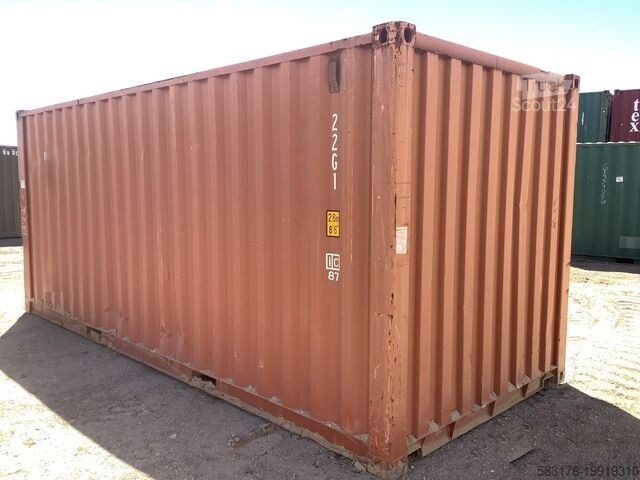
Shipping Container Cost in the UK: What You Need to Know Before You Buy or Rent
If you’re planning a new storage solution, a pop‑up shop, a tiny‑home conversion, or a logistics hub, a shipping container can be a surprisingly versatile and cost‑effective option. But the headline “£5,000 for a 20‑ft container” hardly tells the whole story. In the UK market, prices vary wildly depending on size, condition, location, and any extra services you might need (delivery, permits, modifications, etc.).
In this guide you’ll get a clear, step‑by‑step breakdown of the costs you can expect, the factors that push prices up or down, and the options for buying versus leasing. A handy cost table and a concise FAQ at the end will give you everything you need to make an informed decision.
1. Types of Shipping Containers You’ll Encounter
| Container Type | Typical dimensions (L × W × H) | Common Uses | Typical UK Price Range* |
|---|---|---|---|
| Standard 20‑ft (Dry) | 6.06 m × 2.44 m × 2.59 m | Storage, workshops, small retail units | £2,400 – £4,500 (new) / £1,200 – £2,500 (used) |
| Standard 40‑ft (Dry) | 12.19 m × 2.44 m × 2.59 m | Larger warehouses, pop‑up events, conversion projects | £4,500 – £7,800 (new) / £2,800 – £4,500 (used) |
| High‑Cube 40‑ft | 12.19 m × 2.44 m × 2.90 m | Height‑critical projects (e.g., office fit‑outs) | £5,500 – £9,000 (new) / £3,500 – £5,500 (used) |
| Reefer (Refrigerated) 20‑ft | Same as standard 20‑ft but insulated & fitted with a cooling unit | Cold‑storage, food‑truck conversions | £9,000 – £12,500 (new) / £5,500 – £8,500 (used) |
| Reefer 40‑ft | Same as standard 40‑ft but insulated & fitted with a cooling unit | Large cold‑storage, mobile labs | £14,000 – £20,000 (new) / £9,000 – £13,500 (used) |
| Open‑Top 20‑ft / 40‑ft | Same as standard, with removable roof | Bulk material handling, construction site storage | £2,800 – £5,500 (new) / £1,500 – £3,000 (used) |
*Prices are averages for 2024‑2025, based on quotes from UK suppliers (e.g., Container Sales, Big Box Containers, BigBale). Prices fluctuate with global steel costs, exchange rates, and demand spikes (especially after the pandemic‑induced logistics crunch).
2. New vs. Used: Which Gives the Best Value?
| Feature | New Container | Used Container |
|---|---|---|
| Initial cost | Highest | 30‑60 % cheaper |
| Condition guarantee | Typically 3‑year structural warranty | Usually “as‑is”, limited or no warranty |
| Compliance | ISO‑standard, CSC‑certified, no hidden damage | May need inspection for dents, rust, or missing bolts |
| Customization | Easier to order with factory‑fit modifications (doors, vents, shelving) | Modifications possible but may require extra prep work |
| Depreciation | Slower (new assets retain value longer) | Faster – resale value may be low if heavily used |
| Delivery Lead‑time | 2‑4 weeks (depends on stock) | Can be immediate if local stock exists |
Bottom line: If you need a container that will be life‑critical (e.g., a refrigerated unit for food) or will be heavily modified, a new container often saves time and money in the long run. For straightforward storage or a temporary site office, a clean, well‑inspected used container is usually the most cost‑effective choice.
3. Key Cost Drivers You Should Factor In
- Size & Type – Larger containers cost more, but the price per cubic metre often drops with size.
- Condition (New, Like‑New, Used) – Expect a 30‑60 % price drop for used units in good condition.
- Location of Supplier – Shipping containers are heavy; the farther the depot from your site, the higher the haulage cost.
- Delivery & Placement – Standard haulage (up to 30 mi) averages £150‑£250. Road‑access restrictions, lifts, or crane lifts add £100‑£400 per lift.
- Modifications – Adding windows, doors, insulation, or internal shelving can add £300‑£2,000 per unit.
- Permits & Planning – If you intend to place a container on a residential property or use it as a habitable space, you may need a Temporary Use Permit (TUP) or full planning permission. Fees vary from £100 to £500+.
- Insurance – Commercial containers usually need third‑party liability and contents insurance. Expect £30‑£80 per year for a 20‑ft unit.
- Taxes & VAT – Most purchases are VAT‑inclusive (20 % as of 2025). If you’re a VAT‑registered business you can reclaim this.
4. Example Cost Scenarios
Below are three realistic scenarios that illustrate the “all‑in” cost you might face when acquiring a container in the UK.
Scenario 1: Small Business Storage – 20‑ft New Dry Container
| Item | Cost (GBP) |
|---|---|
| Container (new) | £3,300 |
| Delivery (30 mi) | £200 |
| Placement (ground level, no lift) | £0 |
| Basic internal shelving (2‑row) | £400 |
| Permit (TUP for garden) | £150 |
| VAT (20 %) – already included | — |
| Total | £4,050 |
Scenario 2: Home Office Conversion – 40‑ft High‑Cube Used Container
| Item | Cost (GBP) |
|---|---|
| Container (used, good condition) | £4,200 |
| Delivery (50 mi, crane lift) | £350 |
| Insulation & internal wall cladding | £1,200 |
| Electrical wiring & lighting | £800 |
| Planning permission (change of use) | £400 |
| Total | £7, – (≈ £6,950) |
Scenario 3: Mobile Cold‑Storage – 20‑ft Reefer New Container
| Item | Cost (GBP) |
|---|---|
| Reefer container (new) | £10,800 |
| Delivery (70 mi, forklift) | £450 |
| Temperature monitoring system | £650 |
| Insurance (12 months) | £70 |
| Total | £12, – (≈ £12, -) |
Figures are indicative. Always request a written quote that details every line item.
5. How to Get the Best Deal
- Compare Multiple Suppliers – Use comparison platforms like ContainerDeal or contact local depots directly.
- Ask for Bulk Discounts – If you need more than one container, many suppliers will knock 5‑10 % off the unit price.
- Negotiate Delivery – Some providers allow you to pick up the container yourself for a reduced fee.
- Consider Offline Auctions – Companies such as Manheim and Euro Auctions regularly list surplus containers at attractive rates.
- Check for Refurbishment Packages – Some dealers offer “ready‑to‑use” packages (painting, rust treatment, door seals) that can be cheaper than arranging each modification yourself.
6. Frequently Asked Questions (FAQ)
| Question | Answer |
|---|---|
| What is the difference between a “dry” and a “reefer” container? | A dry container is the standard, non‑insulated box used for most cargo. A reefer (refrigerated) container has built‑in insulation and a powered cooling unit, making it suitable for perishable goods. |
| Do I need planning permission to place a container on my property? | Not always. If the container is used for storage and is placed in a garden or outbuilding, a Temporary Use Permit may suffice. For habitable use (office, dwelling) or if it sits within the curtilage of a listed building, full planning permission is usually required. |
| Can I stack containers? | Yes, but only if they are structurally certified for stacking (look for the “CSC” or “ISO” stacking label). Stacking adds extra weight and may need a stronger foundation. |
| How long does a used container last? | With proper maintenance (rust removal, repainting, door seal checks), a used container can easily reach 15‑20 years of service. New containers are built to a 25‑year structural lifespan. |
| Is it cheaper to lease rather than buy? | Leasing is ideal for short‑term projects (≤12 months) or when you need flexibility. Annual lease rates range from £800‑£1,200 for a 20‑ft unit, which can be cheaper than the upfront purchase plus delivery. |
| What are the typical delivery times? | For stocked containers, expect 2‑4 weeks from order to delivery. Custom‑built or overseas‑sourced units may take 6‑8 weeks. |
| Do I need a crane to unload a container? | No. Most containers have forklift pockets and can be lifted by a standard forklift or a small crane. However, if you’re placing it on a raised platform or in a confined space, a crane may be required. |
| Can I paint or brand my container? | Absolutely. Most owners apply a weather‑proof paint or vinyl wrap. Just make sure you use marine‑grade coatings to protect the steel. |
| Are there any hidden taxes? | VAT is the main tax (20 %). If you import a container from abroad, customs duties may apply, but most UK‑based suppliers handle that for you. |
7. Quick‑Reference Checklist Before You Commit
- Define purpose: storage, office, conversion, or refrigerated use?
- Choose size & type: 20‑ft, 40‑ft, high‑cube, or reefers?
- Decide new vs. used: weigh warranty against budget.
- Get at least three quotes: include delivery, placement, and any extra services.
- Confirm compliance: ISO/CSC stamps, road‑tax, and any local planning requirements.
- Budget for extras: delivery (£150‑£400), modifications (£300‑£2,000), permits (£100‑£500).
- Plan for ongoing costs: insurance, maintenance, possible VAT reclaim.
8. Final Thoughts
Shipping containers have moved far beyond the ports and freight yards where they originated. In the UK, they serve as affordable warehouses, pop‑up retail spaces, and even cosy tiny homes. Understanding the true cost of a container—beyond the headline price tag—helps you avoid unpleasant surprises and lets you allocate funds wisely for any modifications or regulatory steps you’ll need.
By using the price tables, cost scenarios, and the FAQ in this post, you now have a solid framework for estimating the total spend on a container that fits your exact needs. Whether you’re a small business owner looking for cheap storage, a DIY‑enthusiast planning a container conversion, or a logistics manager seeking a reliable refrigerated unit, the information here should give you confidence to negotiate the best deal and get your container on site—on time and on budget.
Happy container hunting!