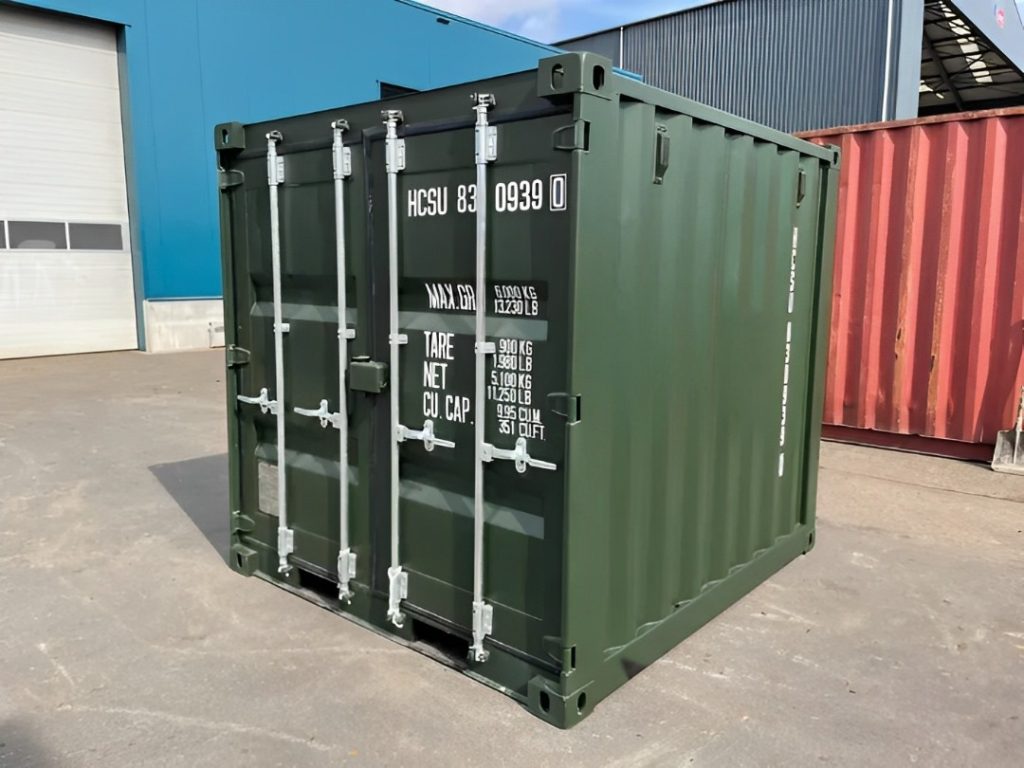
Shipping Container Garden Rooms: Your DIY Guide to a Stylish, Sustainable Outdoor Sanctuary
If you’ve ever dreamed of a cozy “room‑outside” where you can sip coffee, practice yoga, or store garden tools—without the hassle of a traditional building—look no further than a shipping container garden room. In the last few years, repurposed cargo containers have leapt from the dockside into backyards, becoming trendy, eco‑friendly extensions that blend the industrial aesthetic with natural charm.
In this post you’ll discover:
- Why a container makes sense for a garden room
- Key design decisions (size, insulation, windows, and interior layout)
- A step‑by‑step roadmap from purchase to finish
- A handy comparison table for the most popular container dimensions and price ranges
- A quick checklist of must‑have accessories
- Answers to the most common questions
Grab a notebook (or open a new tab), because you’re about to turn a steel box into your favorite outdoor retreat.
1. Why Choose a Shipping Container for Your Garden Room?
| Benefit | How It Helps You | Example |
|---|---|---|
| Durability | Steel walls resist rot, pests, and weather better than wood frames. | You can leave it out year‑round without worrying about termites. |
| Modularity | Containers come in standard 20‑ft and 40‑ft lengths, making it easy to add or stack sections later. | Want a larger studio? Just attach another 20‑ft module. |
| Eco‑Friendly | Reusing a container reduces waste and the carbon footprint of new construction. | One container saves roughly 1,500 kg of CO₂ compared with building a wooden shed. |
| Speed of Build | The basic shell arrives ready‑to‑use; interior fit‑out can be completed in days, not months. | You can have a finished garden office before the next rainy season hits. |
| Cost‑Effective | When you factor in labor and material savings, containers often beat conventional builds. | A 20‑ft container can cost $2,500–$4,000, while a comparable wooden cabin may be $7,000+. |
If any of these points resonates with you, a container garden room could be the perfect match for your lifestyle and budget.
2. Picking the Right Container Size
Before you start sketching floor plans, decide which dimensions suit your needs. Below is a quick reference for the two most common sizes, plus an optional “half‑height” version that many growers love for low‑profile garden rooms.
| Container Type | Interior Dimensions (ft) | Floor Area (sq ft) | Typical Price (USD) | Ideal Uses |
|---|---|---|---|---|
| 20‑ft Standard | 19.5 × 7.8 × 8.5 (L × W × H) | ~152 | $2,500–$4,000 | Home office, tiny studio, workshop |
| 40‑ft Standard | 39.5 × 7.8 × 8.5 | ~310 | $4,500–$7,000 | Guest suite, yoga studio, larger hobby space |
| 20‑ft “Half‑Height” | 19.5 × 7.8 × 4.3 | ~152 (same footprint) | $2,200–$3,500 | Low‑profile greenhouse, potting shed |
Tips for choosing:
- Measure your lot first. Make sure you have at least a 2‑ft buffer around the container for ventilation and access.
- Think future‑proof. If you anticipate needing more space, start with a 20‑ft unit and plan for a second unit to attach later.
- Consider ceiling height. A half‑height container is great for plants that don’t need tall clearance, while a full‑height unit provides standing room for people.
3. From Steel Box to Garden Room: The 7‑Step Process
Below is a straightforward roadmap you can follow, whether you’re a DIY novice or a seasoned renovator.
| Step | What You Do | Tools / Materials Needed |
|---|---|---|
| 1. Acquire the container | Purchase from a reputable dealer; ask for a “dry‑tested” unit (no interior moisture). | Truck/Trailer, pallet jack, inspection checklist |
| 2. Site preparation | Level the ground, lay a concrete slab or pressure‑treated deck, and install a drainage perimeter. | Shovel, level, concrete mixer, gravel, compacted sand |
| 3. Structural modifications | Cut openings for doors, windows, and any auxiliary access. Reinforce the cut edges with steel studs. | Angle grinder, plasma cutter (optional), steel brackets, welding kit (or hire a welder) |
| 4. Insulation & vapor barrier | Spray‑foam or rigid board insulation on walls and ceiling; add a vapor barrier to prevent condensation. | Spray‑foam kit or rigid foam panels, foil‑backed vapor barrier, adhesive, utility knife |
| 5. Electrical & lighting | Run wiring for outlets, LED lights, and possibly a small HVAC unit. Have an electrician pull permits if required. | Wire, circuit breaker, GFCI outlets, LED strips, dimmer switches |
| 6. Interior finishing | Install drywall or plywood, paint or stain, add shelves, flooring, and any specialty features (e.g., pot racks). | Drywall screws, paint, flooring (laminate or bamboo), shelving brackets |
| 7. Exterior styling | Add cladding (wood siding, reclaimed metal), a green roof, or a pergola for extra shade. | Siding panels, roofing membrane, fasteners, decorative hardware |
Pro tip: If you’re short on time, consider hiring a “container conversion specialist”. Many firms offer a “turn‑key” service that handles steps 3‑6 for a modest fee.
4. Design Ideas to Make Your Container Feel Like a Garden Room
A. Embrace Natural Light
- Install floor‑to‑ceiling sliding glass doors on one side to blur the indoor/outdoor boundary.
- Add clerestory windows high on the walls for soft, indirect light that won’t overheat the interior.
B. Bring the Outdoors In
- Mount a living wall (vertical garden) on one interior side—great for air purification.
- Use reclaimed wood paneling for a warm, rustic vibe that complements garden tools and pots.
C. Climate Control Made Simple
- A mini‑split heat pump provides both heating in winter and cooling in summer without taking up floor space.
- For a low‑tech option, install a vented skylight that you can open for passive airflow on warm days.
D. Flexible Flooring
- Interlocking deck tiles let you quickly swap between a garden‑ready surface (e.g., stone) and a cozy office feel (e.g., cork).
- Add a roll‑out rug or a small shag carpet for comfort during yoga sessions.
E. Storage Solutions
- Install pull‑out drawers beneath the bench seat for gardening gloves, seed packets, and small tools.
- Hang pegboards on the back wall for easy access to pots, hoses, and pruning shears.
5. Quick Checklist: Must‑Have Accessories
| Category | Item | Why It Matters |
|---|---|---|
| Ventilation | Adjustable roof vent or wall louvers | Prevents humidity buildup, protects plants |
| Lighting | Dimmable LED panel | Energy‑efficient, adjustable for work or ambience |
| Power | GFCI‑protected outlets | Safety when using power tools or watering equipment |
| Security | Reinforced door lock & motion sensor lights | Keeps tools safe and deters night‑time intruders |
| Insulation | Spray‑foam + reflective foil | Keeps temperature stable year‑round |
| Water | Inline drip irrigation system (optional) | Ideal if you convert part of the room into a greenhouse |
| Finishing | Eco‑friendly paint (low‑VOC) | Healthy indoor air, sustainable choice |
Mark each box as you acquire the item; by the time you finish the container, you’ll have a ready‑to‑use garden room that feels polished and functional.
6. Budget Snapshot: Rough Cost Breakdown
| Item | Approx. Cost (USD) | Notes |
|---|---|---|
| Container (20‑ft, used) | $2,500–$3,500 | Prices vary by condition & location |
| Site prep (foundation, drainage) | $800–$1,500 | Concrete slab is the most common |
| Cutting & structural work | $500–$1,200 | DIY can lower this cost |
| Insulation & vapor barrier | $600–$1,000 | Spray‑foam offers the best R‑value |
| Electrical + lighting | $400–$800 | Permit fees may apply |
| Interior finish (drywall, flooring) | $700–$1,200 | Choose budget‑friendly materials |
| Exterior cladding / styling | $500–$1,000 | Optional but adds curb appeal |
| Total (DIY) | $6,500–$10,200 | Compare with $12k‑$18k for a conventional shed |
| Professional conversion | $10,000–$15,000 | Includes labor & permits |
All figures are averages for the United States in 2025. Prices will differ based on region and material preferences.
7. Frequently Asked Questions
Q1: Do I need a building permit?
Most municipalities require a permit for any structure larger than 100 sq ft, especially if you add electrical or plumbing. Check your local zoning office early; the process usually takes 1–3 weeks.
Q2: How do I keep the container from rusting?
Apply a rust‑inhibiting primer to any exposed steel, then use a high‑quality exterior paint. Adding a protective cladding (wood, metal panels) also shields the metal from direct weather.
Q3: Can I heat the container in winter?
Yes. A mini‑split heat pump, electric baseboard heater, or radiant floor heating (via electric mats) all work well. Insulation is key—without proper R‑value you’ll waste energy.
Q4: Is a container safe for growing food plants?
If you line the interior with a food‑grade barrier (e.g., a polyethylene liner) and use non‑toxic paints, a container can safely house herb gardens or seedling trays. Avoid using containers that have previously stored hazardous chemicals.
Q5: How long does the conversion take?
DIY enthusiasts typically finish a 20‑ft garden room in 4–6 weeks, working evenings and weekends. Professionals can complete the same project in 7–10 days.
Q6: What’s the best way to transport a container to my yard?
Most container dealers offer delivery via flatbed truck. Make sure the delivery path can accommodate the container’s height (including any added roof units). If you’re moving it yourself, a hydraulic lift and a trailer rated for 30,000 lb are essential.
Q7: Can I add a skylight without compromising structural integrity?
Yes, but you’ll need to reinforce the cutout with steel framing. Many conversion kits include pre‑engineered skylight frames that bolt directly to the container’s wall.
8. Your Next Steps
- Set a budget – Use the cost table above to decide how much you’re comfortable spending.
- Scout locations – Choose a sunny, level spot with easy access to electricity.
- Contact a dealer – Ask for a “dry‑rated” container and request photos of the interior before purchase.
- Draft a floor plan – Sketch where doors, windows, and storage will go; free online tools like SketchUp can help.
- Gather tools – Either rent or buy the equipment you’ll need for cutting, welding, and finishing.
- Start building! – Follow the 7‑step process, checking off each item on the checklist as you go.
Before you know it, you’ll have a stylish, sustainable garden room that not only adds value to your property but also provides a personal oasis for work, play, and plant‑care.
Ready to transform a steel box into your own backyard sanctuary?
Grab that container, roll up your sleeves, and let the conversion begin. Happy building! 🌿🚢🏡