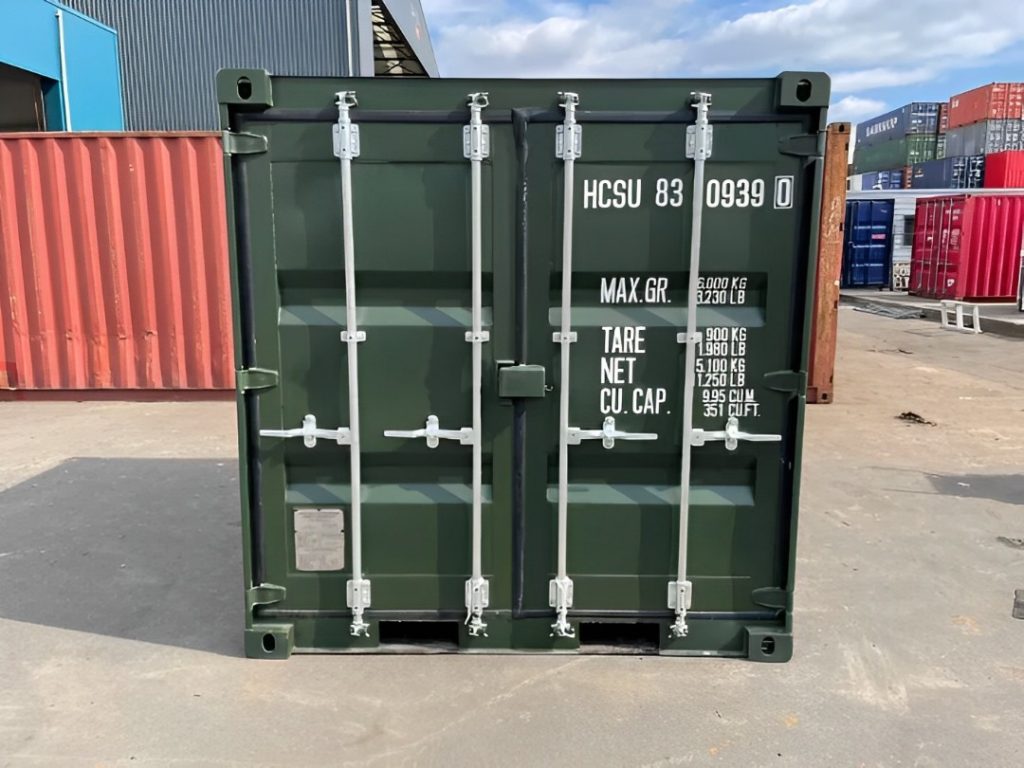
The Ultimate Guide to Ship Container Prices (And How to Get the Best Deal)
If you’ve ever dabbled in importing, exporting, or even just moving a large amount of gear, you know that a shipping container is the unsung hero of global logistics. But before you start filling a massive steel box with your precious cargo, you need to ask the real question: how much does a container cost, and what can you do to keep the price under control?
In this friendly, step‑by‑step guide we’ll walk you through everything you need to know about ship container prices—from the basics of container types, through the market forces that move the numbers, to practical tips that help you lock in the best rate. By the end, you’ll feel confident enough to compare quotes, negotiate with suppliers, and avoid the common pitfalls that bite many first‑time buyers.
1. The Building Blocks: Container Types & Their Typical Price Ranges
Not all containers are created equal. The three most common varieties you’ll encounter are:
| Container Type | Typical Length | Typical Width | Typical Height | Main Use | Approx. Price (USD) – New | Approx. Price (USD) – Used* |
|---|---|---|---|---|---|---|
| 20‑Foot Standard | 20 ft (6.06 m) | 8 ft (2.44 m) | 8 ft 6 in (2.59 m) | General cargo | $2,300 – $3,500 | $1,200 – $1,800 |
| 40‑Foot Standard | 40 ft (12.19 m) | 8 ft (2.44 m) | 8 ft 6 in (2.59 m) | General cargo | $3,500 – $5,000 | $2,200 – $3,200 |
| 40‑Foot High‑Cube | 40 ft | 8 ft | 9 ft 6 in (2.90 m) | Light, voluminous cargo | $4,200 – $5,800 | $2,800 – $4,000 |
| Reefer (Refrigerated) | 20/40 ft | 8 ft | 8 ft 6 in | Perishables, pharma | $7,000 – $9,500 | $5,500 – $7,800 |
| Open‑Top | 20/40 ft | 8 ft | 8 ft 6 in | Oversized loads | $3,200 – $4,500 | $2,000 – $3,200 |
*Used prices vary widely depending on age, condition, and location. The ranges above reflect a typical “good‑condition” unit (≤3 years old, no major dents).
Pro tip: If you’re buying for a one‑off move, a used container can shave off 30‑40 % of the cost, but make sure you inspect it thoroughly (more on that later).
2. What Drives the Price Tag?
Understanding the forces behind container pricing helps you anticipate market swings and choose the right moment to buy.
| Driver | How It Affects Price | What You Can Do |
|---|---|---|
| Raw steel price | Steel is the backbone of a container; when global steel prices spike, new container prices follow suit. | Watch the London Metal Exchange (LME) steel index. Buying during a dip can save you 5‑10 %. |
| Supply‑demand balance | During peak shipping seasons (Q3–Q4) demand for containers rises, pushing prices up. Off‑season purchases are cheaper. | Plan purchases for January–March, when demand eases. |
| Age & condition | The older the container, the lower the price, but higher the risk of hidden damage. | Set a clear age ceiling (e.g., ≤4 years) and request a recent inspection report. |
| Location | Containers stored near major ports (e.g., Singapore, Rotterdam) often cost more than those in inland depots. | Ask sellers to ship to the nearest inland yard; you’ll pay less for the container and often get a better price for the empty container movement. |
| Currency fluctuations | Most container quotes are in USD; a weakening local currency can make imports cheaper for you. | If your accounting is in EUR, monitor USD/EUR rates and lock in a rate with a forward contract when favorable. |
| Regulatory changes | New emission standards for reefers, or stricter safety checks, can increase production costs. | Verify compliance certificates before buying to avoid surprise retrofits. |
3. New vs. Used: Which One Is Right for You?
| Aspect | New Containers | Used Containers |
|---|---|---|
| Initial cost | Higher – you pay the full market price. | Lower – up to 40 % off new price. |
| Warranty & support | Typically comes with a 12‑month warranty and manufacturer support. | No warranty; any repairs are your responsibility. |
| Customization | Easy to order with specific features (e.g., extra venting, reinforced corners). | Limited; modifications may be costly. |
| Lead time | 2–4 weeks from order to delivery (can stretch to 8 weeks in peak season). | Usually available “in stock” and can be shipped within 1–2 weeks. |
| Depreciation | Slower; retains value longer if you plan to resell later. | Faster; resale value already reduced. |
Bottom line: If you need a container for a long‑term fleet or plan to lease it out later, a new unit makes sense. If you’re buying for a single project or tight budget, a well‑maintained used container is the smarter move.
4. How to Buy a Container Like a Pro – A Step‑by‑Step Checklist
- Define your requirements
- Size, height, and special features (e.g., refrigeration, ventilation).
- Desired condition (new vs. used, maximum age).
- Source reputable suppliers
- Global leaders: Maersk Container Sales, Triton International, CAI International.
- Regional brokers: check reviews on platforms like Freightos, ContainerAuction, or local marketplaces.
- Request a detailed quote
- Ask for a breakdown: container price, inland transport, customs clearance, and any handling fees.
- Inspect the container (if used)
- Look for rust, dents, water damage, and structural integrity.
- Verify the CSC (Container Safety Certificate) – it must be valid for at least another 2 years.
- Negotiate
- Use market data (the price tables above) to argue for a fair price.
- Bundle multiple containers for a volume discount (5‑10 % off on orders of 10+).
- Arrange financing
- Options: outright purchase, leasing, or a “pay‑as‑you‑go” container‑as‑a‑service model.
- Leasing can free up capital and often includes maintenance.
- Finalize logistics
- Choose a drop‑off location (port vs. inland depot).
- Confirm insurance coverage for the container while it’s in transit.
- Document everything
- Keep the Bill of Sale, CSC, and any inspection reports. They’re essential for customs and future resale.
5. Money‑Saving Hacks You Probably Didn’t Know
- Buy in the “off‑season” – January through March is when container prices dip 8‑12 % on average.
- Leverage a “return‑to‑owner” clause – Some owners let you return the container after a set period, which can be cheaper than outright purchase for short‑term projects.
- Bundle with other equipment – If you need pallets, shrink‑wrap, or a forklift, ask the supplier for a bundled discount.
- Use a freight forwarder with a “container pool” – Forwarders sometimes have a pool of idle containers they can rent at a lower rate than market.
- Watch for “surge pricing” notifications – Many container marketplaces send alerts when prices swing beyond a set threshold—sign up and pounce when a sudden dip occurs.
6. Common Pitfalls & How to Avoid Them
| Pitfall | Why It Happens | How to Dodge It |
|---|---|---|
| Ignoring the CSC expiry | The certificate may be close to expiration, making the container unusable for customs. | Always verify the CSC date; ask the seller to provide a fresh certificate. |
| Assuming “used” = “damaged” | Many used containers are in great shape; buyers sometimes over‑discount them. | Conduct a visual inspection and request a condition report before deciding. |
| Overlooking inland transport costs | The container price looks cheap, but moving it to your warehouse adds hidden fees. | Get a full cost breakdown—including drayage and handling—before signing. |
| Buying the wrong size | A 20‑ft box may seem cheaper, but you end up needing two of them, raising overall cost. | Calculate total volume needed first; sometimes a single 40‑ft high‑cube is cheaper overall. |
| Neglecting insurance | Shipping containers can be damaged in transit or by weather. | Purchase cargo insurance that covers the container itself, not just the goods. |
7. The Future Outlook: What’s Next for Container Prices?
| Trend | Expected Impact on Prices |
|---|---|
| Global steel surplus (2025‑2026) | Could push new container prices down 5‑8 % if demand stays flat. |
| Increasing demand for reefers | Cold‑chain growth (especially in pharma) may keep refrigerated container prices at a premium for the next 2‑3 years. |
| Automation in ports | Faster turnover may reduce the “empty container” backlog, slightly easing used‑container price pressure. |
| Sustainability regulations | New eco‑friendly coatings and emission‑reduced reefers could add a small premium (≈2‑3 %) to new builds. |
Takeaway: The market is relatively stable, but keep an eye on steel pricing and the growing need for refrigerated units. A proactive approach—monitoring price indexes, building relationships with suppliers, and timing purchases—will pay dividends.
Frequently Asked Questions (FAQ)
1. How long does a used container typically last?
A well‑maintained container can serve 10‑15 years before extensive repairs become necessary. Regular inspections and proper storage (dry, covered yard) extend its life.
2. Can I paint a container myself to avoid extra costs?
Yes, you can repaint, but it must meet CSC standards. Use marine‑grade epoxy paint and have the work inspected by a certified inspector to keep the safety certificate valid.
3. Do I need to pay customs duties on the container itself?
In most jurisdictions, containers are considered equipment rather than goods, so they’re exempt from import duties. However, you’ll still pay VAT/GST and possibly a port fee.
4. What’s the difference between a “dry van” and a “high‑cube”?
Both are standard containers, but a high‑cube has an extra foot of interior height (9 ft 6 in vs. 8 ft 6 in). This extra space is invaluable for low‑density cargo.
5. How can I verify a container’s provenance?
Ask for the ISO 6346 registration number (the 11‑digit code stamped on the container). You can look it up on the World Container Index or the International Container Bureau (ICB) database to see its ownership history and CSC status.
6. Is leasing a better option for a short‑term project?
Leasing eliminates upfront capital outlay and often includes maintenance. For projects shorter than 12 months, leasing usually costs 10‑15 % less than buying outright and then reselling.
7. What insurance coverage do I need?
At minimum, All Risks coverage for the container and its contents. If the container is stored on a dockyard, make sure the yard’s policy also covers the container’s structure.
8. Can I sell a used container back to the supplier?
Some larger suppliers offer a buy‑back program if the container is returned in good condition and within a set timeframe (usually 24‑36 months). Always ask about this option during the purchase negotiation.
Final Thoughts: Your Path to a Smart Container Purchase
You’ve just navigated the entire landscape of ship container pricing—from the baseline price tables to the subtle market forces that shift those numbers, from the nitty‑gritty of inspection checklists to the strategic timing of your purchase. Armed with this knowledge, you can:
- Set a realistic budget based on the container type you truly need.
- Time your order to capture the seasonal dip and avoid steel‑price spikes.
- Negotiate confidently using the data and tips in this guide.
- Protect your investment with proper inspection, insurance, and documentation.
Remember: a container is more than a metal box; it’s a critical asset that can make or break the profitability of your logistics operation. Treat it with the same diligence you would any other capital purchase, and you’ll enjoy smooth sailing—both literally and financially.
Happy container hunting! 🚢✨