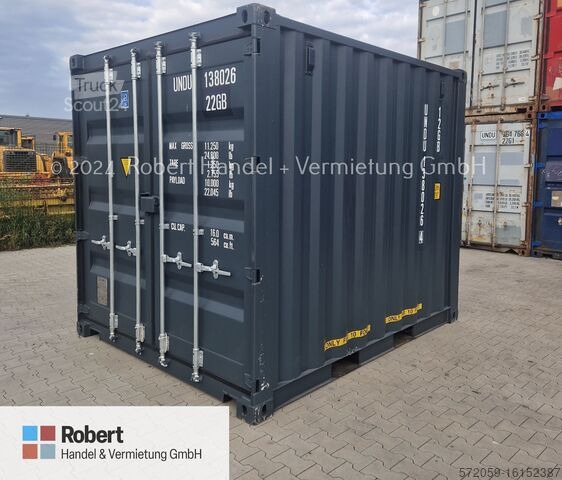
Renting a Shipping Container: The Complete Guide for Your Business or Project
If you’ve ever needed extra storage, a pop‑up office, or a sturdy “room on wheels,” a shipping container is probably the first solution that comes to mind. But buying a brand‑new 40‑foot box can be a big capital outlay, especially when you only need it for a short‑term project or want the flexibility to upgrade later. That’s where container rentals shine.
In this post you’ll discover everything you need to know before you sign the lease: the different container types, how to size‑match your needs, cost‑breakdowns, the rental process, maintenance tips, and the most common use‑cases. By the end, you’ll be equipped to choose the right container‑to‑rent for your budget, timeline, and operational goals.
1. Why Rent Instead of Buy?
| Benefit | Renting | Buying |
|---|---|---|
| Capital Expenditure | Low upfront cost; pay monthly or weekly | Large one‑time payment |
| Flexibility | Swap sizes, upgrade, or return when project ends | Stuck with the same unit forever |
| Maintenance | Provider handles repairs & inspections (often included) | You’re responsible for all upkeep |
| Storage | Provider may store the container when not in use | You need space for the container at all times |
| Tax Treatment | Rental expense is deductible as an operating cost | Depreciation rules apply, more paperwork |
If you’re managing a construction site, launching a seasonal pop‑up shop, or simply need overflow storage for a few months, the cash‑flow advantages of renting can be decisive. Even for longer‑term needs, the ability to scale up (or down) without purchasing multiple containers makes rentals an attractive strategic choice.
2. Types of Shipping Containers Available for Rent
| Container Type | Standard Dimensions | Key Features | Typical Use‑Cases |
|---|---|---|---|
| Standard Dry Container | 20‑ft (6.1 m) × 8‑ft (2.44 m) × 8.5‑ft (2.59 m) 40‑ft (12.2 m) × 8‑ft × 8.5‑ft | Steel walls, weather‑tight, lockable doors | General storage, equipment staging, on‑site offices |
| High‑Cube Dry Container | Same footprint as above, height 9.5 ft (2.9 m) | Extra interior volume (≈ 12 % more) | Larger inventory, bulky tools, furniture |
| Open‑Top Container | 20‑ft or 40‑ft, removable roof | Easy loading of oversized items via crane | Construction materials, pipe & timber shipments |
| Flat‑Rack Container | 20‑ft or 40‑ft, collapsible sides | Supports heavy or irregular‑shaped cargo | Machinery, vehicles, large pipe bundles |
| Refrigerated (“Reefer”) Container | 20‑ft or 40‑ft, insulated panels + cooling unit | Temperature control (‑30 °C to +30 °C) | Perishable goods, pharmaceuticals, food‑service pop‑ups |
| Modified/Custom Container | Varies (often 40‑ft) | Built‑in shelving, windows, electrical, HVAC | On‑site offices, retail kiosks, mini‑warehouses |
Pro tip: When you’re unsure which type best fits your need, start with a standard dry container and add modifications (shelving, lighting, HVAC) later—most rental companies can retrofit quickly.
3. How to Size‑Match a Container to Your Project
Step‑by‑Step Sizing Checklist
- Measure Your Inventory – List the dimensions (length, width, height) of the largest item you’ll store.
- Add Clearance – Allow at least 6 inches of breathing room on each side for easy access and ventilation.
- Determine Quantity – Multiply the volume of a single item by the number of units.
- Select a Container – Compare the total required volume against the interior cubic feet of each container size (see table below).
- Consider Future Growth – Add a 10‑15 % buffer if you expect inventory to increase during the rental term.
| Container Size | Interior Length | Interior Width | Interior Height | Usable Cubic Feet |
|---|---|---|---|---|
| 20‑ft Standard | 19.4 ft | 7.8 ft | 7.9 ft | 1,172 |
| 40‑ft Standard | 39.5 ft | 7.8 ft | 7.9 ft | 2,390 |
| 40‑ft High‑Cube | 39.5 ft | 7.8 ft | 8.9 ft | 2,700 |
| 20‑ft Open‑Top | 19.4 ft | 7.8 ft | 8.5 ft (no roof) | 1,260 |
| 40‑ft Reefer | 39.4 ft | 7.7 ft | 7.8 ft (insulated) | 2,370 |
If your equipment fits comfortably within a 20‑ft container but you anticipate adding larger items later, a 40‑ft high‑cube offers extra height without sacrificing floor space.
4. Cost Breakdown – What to Expect From Rental Prices
Pricing varies by region, rental length, and container type. Below is a typical monthly cost range in the United States (prices are illustrative; always request a quote from local providers).
| Container Type | Monthly Rental (USD) | Deposit (USD) | Typical Rental Term |
|---|---|---|---|
| 20‑ft Standard Dry | $120 – $180 | $200 – $300 | 1 – 12 months |
| 40‑ft Standard Dry | $190 – $260 | $300 – $400 | 1 – 12 months |
| 40‑ft High‑Cube Dry | $230 – $300 | $350 – $450 | 1 – 12 months |
| 20‑ft Open‑Top | $150 – $210 | $250 – $350 | 1 – 12 months |
| 40‑ft Reefer | $400 – $560 | $500 – $700 | 1 – 12 months |
| Modified Office | $300 – $450 (incl. fit‑out) | $400 – $600 | 3 – 24 months |
Hidden Costs to Watch For
- Delivery & Pick‑up Fees: $70 – $150 each way, depending on distance and equipment needed (crane, forklift).
- Electrical/ HVAC Hook‑ups: If you need power or climate control, some providers charge $30‑$50 per day for the utility connection.
- Insurance: Rental agreements often require third‑party liability coverage; expect $0.10‑$0.25 per $1,000 of container value per month.
- Late‑Return Penalties: Typically $25‑$50 per day after the agreed return date.
Always ask for a full cost sheet before signing the contract so you can compare offers on a like‑for‑like basis.
5. The Rental Process – From Quote to Return
- Request a Quote – Provide the rental company with container type, dimensions, delivery address, and desired dates.
- Select a Rental Plan – Choose between month‑to‑month, 6‑month, or annual contracts. Many companies offer a discount for longer commitments (5‑10 % off).
- Sign the Agreement – Review terms for mileage limits, permitted uses, and damage liability.
- Schedule Delivery – Confirm the site is accessible (clear ground, enough clearance for a truck).
- Inspect on Arrival – Check for dents, rust, and door functionality; document any pre‑existing damage.
- Use & Maintain – Keep the container clean, avoid over‑loading beyond the rated weight (typically 30,000 lb for a 20‑ft dry), and report issues promptly.
- Arrange Pick‑up – Give the provider at least 48 hours notice; they’ll inspect for wear, charge any repair fees, and return your deposit.
Tip: If you anticipate needing the container again later, negotiate a re‑rental clause that lets you extend the lease without a new delivery fee.
6. Maintenance & Care – Keeping Your Rental in Good Shape
- Cleaning: Sweep floor and wipe walls weekly if storing dusty or oily goods.
- Ventilation: For dry containers, leave doors ajar (when safe) for a few minutes daily to prevent condensation.
- Weight Distribution: Place heavier items low and centered to avoid stressing the corners.
- Security: Use padlocks approved by the rental company; consider adding a motion‑sensor alarm if the container stays on an unattended site.
- Inspections: Perform a quick visual check before each shift or at the end of each day. Early detection of rust or door misalignment can prevent larger repair costs.
7. Popular Applications – Where a Rental Container Shines
| Industry | Typical Use | Why a Rental Works |
|---|---|---|
| Construction | On‑site storage for tools, steel, and permits | Project timelines are finite; you can scale up as phases progress. |
| Retail/Pop‑Up | Temporary storefront or fitting room | Fast setup, low upfront cost, easy relocation to the next event. |
| Agriculture | Grain, feed, or equipment storage during harvest | Seasonal spikes require extra capacity only a few months a year. |
| Logistics | Overflow warehouse space during peak shipping periods | Avoid permanent expansion of your existing facility. |
| Events | Mobile backstage area, ticket office, or catering kitchen | Containers can be painted and branded to match event aesthetics. |
| Disaster Relief | Emergency shelters, medical supply depots | Rapid deployment, durability, and ability to be stacked for space efficiency. |
8. Frequently Asked Questions (FAQ)
1. How long can I keep a container?
Most companies allow month‑to‑month rentals with a minimum of 30 days. Long‑term contracts (6‑12 months) often come with a discounted rate.
2. What weight can a standard 20‑ft container hold?
A typical 20‑ft dry container has a Maximum Payload of about 30,000 lb (13,600 kg). Never exceed this limit; over‑loading can damage the frame and void the rental agreement.
3. Do I need a permit to place a container on my property?
It depends on local zoning laws. Many municipalities treat a container as a temporary structure, but you may need a building permit or a site‑plan approval—check with your city’s planning department.
4. Can I modify the container while it’s rented?
Most rental firms allow limited modifications (e.g., adding shelving, temporary lighting) as long as they are removable and do not damage the steel structure. For major alterations (windows, doors), you’ll need written permission.
5. What happens if the container is damaged?
You are liable for any damage beyond normal wear and tear. The rental agreement will outline repair costs or the amount deducted from your security deposit.
6. Is insurance mandatory?
While not always required by law, many rental contracts stipulate that the renter must carry third‑party liability and property damage insurance. It protects both you and the provider.
7. How is delivery handled for difficult access sites?
If the site lacks a paved road or has tight turning radii, the provider may need a crane or a low‑boy trailer. Expect an additional access fee that’s typically quoted upfront.
8. Can I rent multiple containers at once?
Absolutely. In fact, bulk rentals often qualify for a volume discount (e.g., 5 % off when renting three or more units).
9. Bottom Line – Make the Right Rental Choice for You
Renting a shipping container gives you a flexible, cost‑effective, and mobile solution for a surprisingly wide array of business challenges. By:
- Defining your exact volume and functional needs,
- Comparing container types and sizes with the tables above,
- Scrutinizing the full cost structure (including hidden fees), and
- Following the streamlined rental process,
you’ll avoid surprise expenses and ensure the container works exactly the way you need it to. Whether you’re a contractor stacking steel beams, a retailer launching a seasonal kiosk, or a farmer storing harvest equipment, the right container‑to‑rent can keep your operations organized, secure, and on schedule.
Ready to get started? Reach out to a local container rental provider, request a detailed quote, and watch your project take shape—one steel box at a time.
Happy renting!