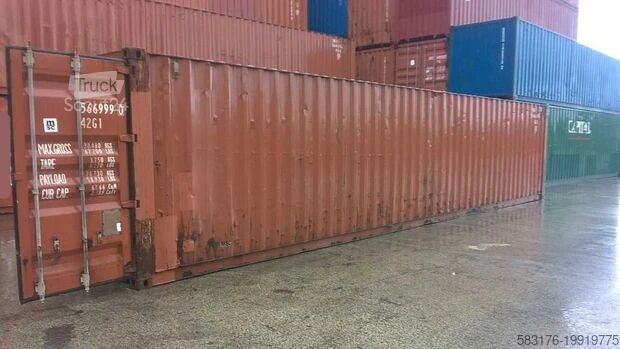
Shipping Containers in the UK: Everything You Need to Know
If you’re reading this, you probably have a project that could benefit from a steel box on wheels – whether it’s a pop‑up shop, a home office, a garden shed, or a full‑scale storage solution for your business. Shipping containers have become a ubiquitous piece of the British built‑environment, thanks to their durability, modularity, and surprisingly versatile design.
In this guide, we’ll walk you through what a shipping container is, how to choose the right one for your needs, where to source it in the UK, the key regulations you must respect, and how to get the most value out of your investment. We’ll also pepper the article with handy tables, step‑by‑step lists, and a FAQ section so you can quickly find answers to the most common questions.
1. Why Choose a Shipping Container?
| Benefit | Explanation | Typical Use‑Case |
|---|---|---|
| Durability | Made of C‑rated weather‑steel, corrosion‑treated, and designed to survive ocean voyages. | Outdoor storage, construction site offices |
| Security | Solid steel doors with lockable cylinders; can be fitted with CCTV, alarms, and biometric locks. | High‑value equipment storage |
| Modular Design | Units stack and connect easily; you can join two 20‑ft containers to make a 40‑ft space or add side panels for windows. | Pop‑up cafés, temporary classrooms |
| Cost‑Effective | New containers start around £2,500; used units can be under £1,500. | Budget‑tight startups |
| Low Maintenance | No wood rot, pest‑free, minimal painting required. | Rural farms, remote sites |
| Eco‑Friendly | Repurposing reduces waste; many companies recycle old containers into new structures. | Green building projects |
In short, a shipping container can be far more than a storage box – it can be the skeleton of a modern, mobile, and sustainable building.
2. Container Types and Sizes Available in the UK
| Size (ft) | Internal Dimensions (L×W×H) | Approx. Internal Volume | Typical Load Capacity | Common Price Range* |
|---|---|---|---|---|
| 20‑ft Standard | 5.9 m × 2.35 m × 2.39 m | 33 m³ | 21 t | £1,800 – £3,000 (new) |
| 40‑ft Standard | 12.03 m × 2.35 m × 2.39 m | 67 m³ | 26 t | £3,200 – £5,000 (new) |
| 20‑ft High‑Cube | 5.9 m × 2.35 m × 2.69 m | 38 m³ | 21 t | £2,200 – £3,500 |
| 40‑ft High‑Cube | 12.03 m × 2.35 m × 2.69 m | 76 m³ | 26 t | £3,800 – £5,800 |
| 45‑ft High‑Cube | 13.71 m × 2.35 m × 2.69 m | 86 m³ | 30 t | £4,500 – £7,000 |
* Prices are indicative for 2025 and vary by condition (new, “one‑trip”, or used), supplier, and any added modifications (e.g., insulation, windows).
What Do These Terms Mean?
- Standard vs. High‑Cube – High‑Cube containers have an extra 30 cm of headroom, making them ideal for standing workspaces.
- One‑Trip – A container that has only made a single sea voyage. It’s generally in better condition than a “used” unit that’s been on the road for years.
- Modified/ISO‑Container – A container that’s been cut, insulated, or fitted with doors, windows, or internal partitions.
3. How to Choose the Right Container for Your Project
Below is a step‑by‑step checklist you can print out or copy into a notes app. Tick each box as you move forward.
- Define the Purpose
- Storage? (e.g., tools, inventory)
- Workspace? (e.g., office, workshop)
- Habitation? (e.g., tiny home, guest cabin)
- Determine Required Space
- Measure the floor area you need.
- Add at least 0.5 m for circulation if you’ll work inside.
- Select Size & Height
- 20‑ft Standard is ideal for small storage.
- 40‑ft High‑Cube works best for full‑size rooms.
- Decide on Condition
- New/One‑Trip – Best for high‑visibility projects.
- Used – Cost‑effective for pure storage.
- Assess Modifications
- Insulation (thermal & acoustic)
- Electrical wiring & lighting
- Doors, windows, and ventilation
- Check Site Access
- Verify road width and turning radius for delivery trucks.
- Ensure ground is level or install a concrete pad.
- Budget & Financing
- Container cost + delivery + modifications + planning permission (if required).
- Research Suppliers – See the table below for a quick comparison of reputable UK providers.
4. Top UK Shipping Container Suppliers (2025)
| Supplier | Location | Main Offering | Typical Lead‑Time | Notable Extras |
|---|---|---|---|---|
| ContainerXpress | Birmingham | New & one‑trip 20/40‑ft containers, custom builds | 7‑10 days | Free site survey, financing options |
| EuroContainers UK | Liverpool | Used containers, bulk discounts for >5 units | 5‑8 days | 24‑month warranty on structural integrity |
| ModuBuild | London | Turnkey container homes, offices, pop‑ups | 3‑4 weeks (incl. fit‑out) | Design service, BIM integration |
| The Container Store UK | Manchester | Rental for short‑term projects | Same‑day delivery (within 50 mi) | Portable power pack, optional insurance |
| EcoBox Solutions | Glasgow | Refurbished high‑cube containers with solar panels | 10‑12 days | Carbon‑offset delivery, recycling program |
Tip: When requesting a quote, ask for a “break‑down of costs” (container, delivery, modifications, taxes). This makes it easier to compare offers and spot hidden fees.
5. Legal & Planning Considerations
Even though a shipping container is a “portable” structure, there are still rules you must follow:
| Regulation | What It Means for You | Where to Check |
|---|---|---|
| Planning Permission | Generally not needed for temporary storage, but required for permanent dwellings or change of use. | Local council planning portal |
| Building Regulations | If you’re installing insulation, heating, or plumbing, you must meet Part L (energy) and Part F (ventilation). | UK Building Regulations website |
| Road Transport Licences | Vehicles over 7.5 t need a CVOR (Commercial Vehicle Operator’s Registration). | DVLA |
| Health & Safety | Ensure safe access (ladders, handrails) and fire‑safety measures if used as a workspace. | HSE guidance |
| Waste Disposal | Modified containers may generate hazardous waste (e.g., insulation). Follow waste carrier regulations. | Environment Agency |
Quick Checklist – Before you sign a purchase order:
- Verify whether your use case triggers planning permission.
- Confirm the container’s compliance with ISO 668 (standard dimensions).
- Request a Certificate of Conformity from the supplier.
- Arrange for a site‑specific risk assessment if you’ll work inside the container.
6. Cost‑Saving Strategies
You can shave several hundred pounds off your project by following these proven tactics:
- Buy a Used Container – Look for “one‑trip” units that are still in prime condition.
- Combine Orders – If you need multiple containers, many suppliers give a bulk discount.
- DIY Modifications – Install insulation, lighting, and internal partitions yourself (provided you have the skills).
- Rent Before Buying – Test the concept with a short‑term rental; you’ll know exactly what you need before committing.
- Take Advantage of Tax Relief – In many cases, containers used for business purposes qualify for capital allowances.
7. Real‑World Examples: How UK Businesses Are Using Shipping Containers
| Business | Container Use | Outcome |
|---|---|---|
| BrewDog (London) | Mobile bar & pop‑up tasting room | Increased footfall by 30 % during festivals |
| Sainsbury’s (Midlands) | On‑site micro‑warehouse for e‑commerce | Reduced last‑mile delivery time by 2 days |
| Tiny House Co. (Cornwall) | Fully‑fitted high‑cube container homes | Sold 50 units in 2024, all under £30k each |
| University of Leeds | Outdoor labs for engineering students | Provided hands‑on experience while saving £40k on traditional lab build |
These case studies illustrate the flexibility and ROI that containers can deliver across sectors.
8. Frequently Asked Questions
| Question | Answer |
|---|---|
| Do I need planning permission for a container office? | Not usually for a temporary structure (<12 months) or if it’s classified as “storage”. A permanent office may require permission – check with your local council. |
| Can I stack containers? | Yes. Standard containers are designed to be stacked up to 9 units high when secured to a frame. For on‑site stacking, you’ll need a qualified engineer and a strong foundation. |
| How long does delivery take? | Most suppliers deliver within 7‑14 days for standard orders. If you need modifications, factor in an extra 2‑4 weeks. |
| Are containers insulated? | Factory‑fitted insulation is optional. Many owners retrofit with spray foam, rigid board, or reflective foil for better thermal performance. |
| What’s the lifespan of a container? | With proper maintenance, a steel container can last 30‑40 years. Corrosion-resistant paint and regular cleaning prolong life. |
| Can I paint the exterior? | Absolutely. Use a marine‑grade epoxy primer and a high‑performance exterior paint. This also prevents rust. |
| Are there financing options? | Some suppliers partner with finance brokers to offer leasing or hire‑purchase agreements, often with low deposit. |
| What about security? | Standard containers come with lockable doors. You can add CCTV, motion sensors, and steel reinforcement plates for extra protection. |
| Do I need a licence to operate a container as a café? | You’ll need a food‑service licence from your local authority, plus compliance with health and safety regulations. The container itself isn’t a licensing barrier. |
| How do I dispose of a container at the end of its life? | Many dealers run a take‑back program. Otherwise, you can sell it as scrap metal (approx. £100‑£200 per tonne). |
9. Quick Reference: Container Buying Timeline
| Phase | Timeframe | Key Activities |
|---|---|---|
| 1. Research | 1‑2 weeks | Identify purpose, size, budget; compare suppliers (see table). |
| 2. Quote & Order | 3‑5 days | Request quotes, negotiate terms, sign contract. |
| 3. Delivery Planning | 1‑3 days | Confirm site access, arrange ground pad, schedule delivery. |
| 4. Delivery | 7‑14 days | Container arrives; check for damage and verify paperwork. |
| 5. Modification | 1‑4 weeks | Install insulation, windows, electrical, interior fit‑out. |
| 6. Final Inspection | 1‑2 days | Confirm compliance with regulations; obtain any necessary certifications. |
| 7. Go‑Live | Immediate | Start using the container for its intended purpose. |
10. Final Thoughts
Shipping containers have moved far beyond their original role of transporting cargo across oceans. In the UK, they now anchor pop‑up businesses, house tiny homes, secure valuable inventory, and even serve as stylish office spaces. By understanding the different sizes, regulations, and cost‑saving tactics, you can turn a simple steel box into a solution that perfectly aligns with your project’s goals.
Remember to:
- Define your needs clearly before you start looking.
- Check the legal side early—planning permission can be a deal‑breaker if you overlook it.
- Compare multiple suppliers using the tables above to avoid hidden fees.
- Consider DIY modifications if you have the skills; it can dramatically reduce the overall spend.
With the right approach, a shipping container can become one of the most economical, durable, and adaptable assets in your toolkit. Ready to order your first container? The market in the UK is thriving, and the perfect box is just a few clicks away.
Happy building!