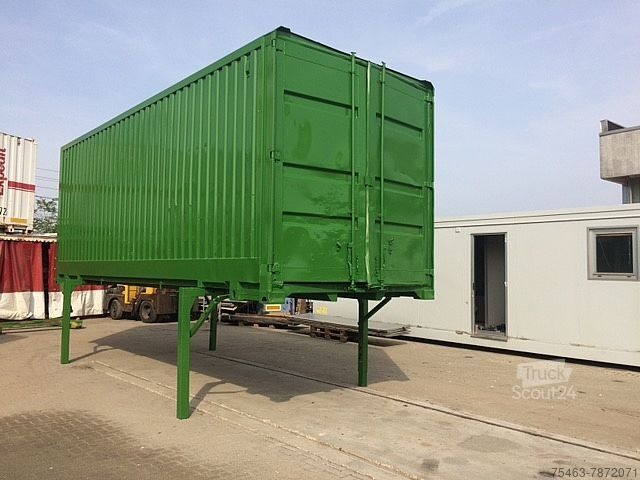
Shipping Containers for Sale in the UK: The Complete Buyer’s Guide
If you’re reading this, you’re probably considering adding a shipping container to your property, business, or project. Whether you need a compact storage unit for tools, a robust office space, or a modular building for a new venture, the UK market is bursting with options. This guide walks you through everything you need to know before you click “Add to Cart” – from container types and dimensions to pricing, regulations, and after‑sales support.
1. Why Choose a Shipping Container?
| Benefit | How It Helps You |
|---|---|
| Durability | Made from C‑rated steel, containers resist corrosion, impact, and extreme weather. |
| Portability | Standardised dimensions let you transport them by road, rail, or sea with ease. |
| Scalability | Stackable and modular – you can start with one unit and add more later. |
| Security | Double‑door lock systems, reinforced hinges, and optional CCTV make them hard to breach. |
| Cost‑Effective | Compared with traditional brick‑and‑mortar builds, containers cost 30‑50% less per square metre. |
| Eco‑Friendly | Reusing a container reduces waste and carbon footprint; many suppliers also offer refurbished or “green” units. |
If any of those points resonate with your project, you’re on the right track.
2. The Core Types of Containers Available in the UK
| Type | Typical Dimensions (L×W×H) | Typical Uses | Key Features |
|---|---|---|---|
| Standard (Dry) Container | 20′ (6.06 m) × 8′ (2.44 m) × 8′6″ (2.59 m) 40′ (12.19 m) × 8′ × 8′6″ | Storage, workshops, pop‑up retail, offices | Weather‑tight, lockable doors, ISO‑standard |
| High‑Cube Container | 40′ × 8′ × 9′6″ (2.90 m) | Larger volume needs – e‑commerce fulfilments, data centres | Extra 1‑ft height gives ~10% more volume |
| Open‑Top Container | Same as dry, but roof is removable | Heavy machinery, timber, bulk goods | Removable canvas roof & tarpaulin |
| Flat‑Rack Container | 20′ or 40′ frame, no side walls | Oversized cargo like vehicles, construction equipment | Collapsible sidebars for loading |
| Reefer (Refrigerated) Container | 40′ × 8′ × 8′6″ (with insulated walls) | Food, pharmaceuticals, perishable goods | Integrated cooling unit, temperature monitoring |
| Modified/Custom Container | Any of the above, altered internally | Offices, cafes, classrooms, tiny homes | Insulation, windows, partitions, electrical wiring, HVAC |
Tip: For most DIY or small‑business projects, a standard 20‑ft dry container is the most affordable starting point. If you need extra headroom or volume, step up to a high‑cube 40‑ft model.
3. How Much Does a Container Cost in the UK?
Prices vary by size, condition (new vs. used), and any modifications you request. Below is a snapshot of typical market rates as of Q3 2024.
| Size | Condition | Base Price (GBP) | Typical Delivery (within 50 mi) | Common Modifications (+ price) |
|---|---|---|---|---|
| 20′ Dry | New | £2,200 – £2,800 | £150 – £250 | Insulation (£300), Office fit‑out (£1,200) |
| 20′ Dry | Used (good) | £1,500 – £2,000 | £120 – £200 | Repaint (£150), Door lock upgrade (£80) |
| 40′ Dry | New | £3,500 – £4,200 | £250 – £400 | Split‑level office (£2,000), Solar panel (£600) |
| 40′ High‑Cube | New | £4,300 – £5,100 | £300 – £450 | HVAC (£1,200), Floor decking (£500) |
| 40′ Reefer | New | £7,000 – £8,500 | £350 – £500 | Temperature monitoring system (£400) |
| 20′ Modified (office) | New | £3,200 – £4,000 | £180 – £280 | Partition walls, wiring, lighting (included) |
All prices are indicative only – always request a formal quote that includes taxes, delivery distance, and any site‑specific requirements.
4. Step‑by‑Step Checklist Before You Buy
- Define Your Purpose – Storage, office, retail, or something else?
- Choose the Right Size – Sketch out floor‑plan dimensions; remember you’ll also need space for doors and any external fittings.
- Decide New vs. Used – New containers guarantee structural integrity, but used units can be 30‑40% cheaper.
- Inspect Structural Condition – Look for dents, rust, and water damage. Check the CSC (Container Safety Certificate) for compliance.
- Confirm Compliance with Local Planning Laws – Some councils require planning permission if the container is used as a dwelling or permanent structure.
- Ask About Delivery Options – Verify whether the supplier provides crane loading, permits for oversized loads, and site‑access assessment.
- Get a Detailed Quote – Include base price, delivery, installation, and any optional modifications.
- Review Warranty & After‑Sales Service – A 12‑month structural warranty is common; confirm what’s covered (e.g., rust, hinges).
- Arrange Financing (if needed) – Many suppliers partner with finance companies offering monthly instalments.
- Plan for Utilities – Determine if you need electricity, water, or HVAC; ask the supplier for pre‑wired options.
5. Common Uses & Real‑World Examples
- Pop‑up Retail – Brands like BrewDog have turned 40‑ft containers into mobile bars at festivals.
- Off‑site Construction Offices – Contractors use high‑cube containers as site offices, adding insulation and HVAC for comfort.
- Agricultural Storage – Farmers store feed, tools, and harvested crops in open‑top containers.
- Tiny Homes – Designers convert containers into compact living spaces with interior walls, plumbing, and solar roofs.
- Data Centres – Companies install rack‑mount servers inside insulated, climate‑controlled containers for rapid deployment.
6. Frequently Asked Questions (FAQ)
| Question | Answer |
|---|---|
| Do I need planning permission to place a container on my property? | It depends on local council rules and the container’s intended use. For non‑residential storage or temporary structures, many councils waive permission if the container is not permanent. Check with your local planning department. |
| How long does delivery take after I place an order? | Most UK suppliers ship within 7‑14 days for new containers, and 3‑7 days for used units, provided the delivery address is accessible. |
| Can I have a container modified before delivery? | Yes. Most suppliers offer factory‑fit modifications (e.g., insulation, windows, office fit‑out). This is usually cheaper and faster than retrofitting on site. |
| What is a CSC and why does it matter? | The Container Safety Certificate (CSC) is an ISO‑standard document confirming the container meets structural and safety criteria. It’s essential for shipping, customs, and for any insurance claims. |
| Is it possible to stack containers on a residential property? | Technically yes, but you’ll need a solid foundation and likely planning permission. Stacking also adds weight load considerations for your ground. |
| How do I secure a container against theft? | Opt for a high‑security lock set, reinforce hinges, install CCTV, and consider a perimeter fence. Some suppliers also provide GPS tracking as an add‑on. |
| What maintenance does a container require? | Regularly inspect doors and seals for wear, touch up paint to prevent rust, and keep the roof clear of debris. For refrigerated units, service the cooling system annually. |
| Can I finance a container purchase? | Many UK suppliers partner with finance firms offering 12‑36 month plans with competitive APRs. Always compare the total cost of credit against a cash purchase. |
| Are there eco‑friendly options? | Yes – refurbished containers have a smaller carbon footprint, and many suppliers now offer “green” upgrades like solar panels, LED lighting, and low‑VOC insulation. |
| What insurance do I need? | If the container is used for business, consider commercial property insurance covering loss, damage, and theft. For personal use, home insurance may be extended to cover the container. |
7. Top 5 Tips for Getting the Best Deal
- Bulk Order Discount – If you need more than one container, ask for a package price.
- Seasonal Sales – Suppliers often run promotions in the spring and autumn when construction demand dips.
- Negotiate Delivery – Some companies will waive delivery fees if you collect the container from their yard.
- Check for Hidden Fees – Verify whether the quote includes loading, permits, and any crane hire.
- Leverage Finance Offers – Zero‑interest introductory periods can be advantageous if you have cash flow constraints.
8. Real‑World Cost Comparison: Buying Direct vs. Online Marketplace
| Source | Average Price (20′ Dry, Used) | Additional Costs | Pros | Cons |
|---|---|---|---|---|
| Direct Supplier (e.g., Container Hub, UK) | £1,600 | Delivery, optional modifications | Warranty, CSC, professional service | Slightly higher base price |
| Online Marketplace (e.g., eBay, Gumtree) | £1,300 | No guarantee of delivery, possible freight fees | Lower price point | Risk of poor condition, no CSC |
| Auction House (e.g., Bonhams) | £1,450 | Auction fees, transport | Rare finds, often well‑maintained | Limited to auction dates |
Bottom line: If you value peace of mind, structural certification, and after‑sales support, buying from a reputable supplier is worth the modest premium.
9. Planning Your Container Project – A Mini‑Timeline
| Week | Milestone |
|---|---|
| 1 | Define purpose, size, and budget. |
| 2 | Research suppliers, request quotes, and compare. |
| 3 | Secure financing (if needed) and obtain any planning permission. |
| 4 | Place order – confirm modifications and delivery date. |
| 5‑6 | Prepare site – clear ground, lay a concrete pad or steel frame. |
| 7 | Delivery & placement – supplier unloads, crane positions container. |
| 8 | Install utilities (electricity, water, HVAC). |
| 9 | Fit‑out (if required) – insulation, partitions, lighting. |
| 10 | Final inspection, obtain CSC copy, and start using! |
10. Final Thoughts: Your Next Move
You now have a complete picture of the UK shipping‑container market – from the types and sizes available, through realistic pricing, to the legal and logistical steps required to make a successful purchase. Remember, a container is more than a steel box; it’s a versatile platform that can become a secure storage hub, a sleek pop‑up shop, a comfortable office, or even a stylish tiny home.
Action step: Grab a notebook, sketch your ideal layout, and start contacting at least three reputable UK suppliers for quotes. Compare not just the price, but the delivery terms, CSC status, and after‑sales support. With a little planning, you’ll have your container ready to serve you in weeks, not months.
Happy building!