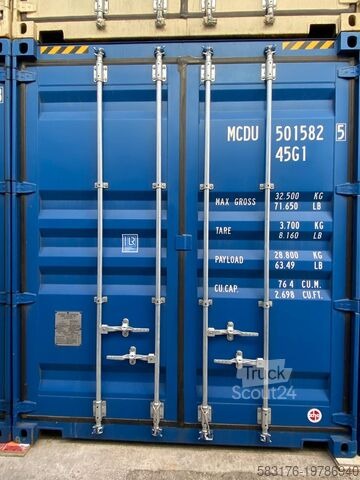
Shipping Container Prices: What You Need to Know Before You Buy
If you’re scrolling through online marketplaces, visiting local dealers, or chatting with freight forwarders, you’ve probably noticed that the price of a shipping container can swing wildly—from a few hundred dollars for a battered unit to several thousand for a brand‑new, climate‑controlled box. Understanding why those numbers differ, and how to pinpoint the best deal for your project, can feel overwhelming. This guide walks you through every factor that influences container pricing, breaks down typical costs by size and condition, and gives you a ready‑to‑use checklist so you can buy with confidence.
1. Why Shipping Containers Aren’t All the Same
When you hear “shipping container,” you may picture the iconic steel box rolling off a cargo ship. In reality, the market is a mosaic of variations that affect price:
| Factor | How It Impacts Price | Typical Price Range (USD) |
|---|---|---|
| Size (20‑ft vs. 40‑ft) | Larger volume = more material & handling costs | 20‑ft: $1,500‑$3,500 40‑ft: $2,500‑$5,500 |
| Condition (new, used‑good, used‑damaged) | New = factory price; used‑good = minor wear; damaged = repair needed | New: +30‑50% vs. used‑good Damaged: –20‑60% |
| Type (dry, refrigerated, open‑top, high‑cube) | Specialized features add components & certification | Dry: baseline Reefer: +$2,000‑$4,000 High‑cube: +$300‑$800 |
| Location (port city vs. inland) | Transportation to the buyer adds mileage fees | Port: base price Inland (200 mi): +$200‑$500 |
| Age (year built) | Older steel may have corrosion; newer units meet stricter standards | < 2 yr: +10‑20% 5‑10 yr: baseline >10 yr: –10‑30% |
| Certification (CSC, ISO, ISO‑11783) | Certified containers fetch higher resale value | Certified: +5‑15% |
| Market Dynamics (global demand, freight rates) | A surge in container shortage spikes prices globally | 2022‑2023 spike: +25‑40% |
Understanding these variables lets you compare apples to apples. A $3,200 40‑ft dry box sitting in a Los Angeles port isn’t directly comparable to a $2,800 unit of the same size sitting in a Kansas warehouse.
2. Typical Price Breakdown by Size & Condition
Below is a snapshot of average prices you’ll see on major U.S. marketplaces (e.g., eBay, ContainerAuction, local dealers) as of Q3 2024. Prices are listed before taxes, delivery, and any optional accessories.
| Size | Condition | Average Price | Typical Sources |
|---|---|---|---|
| 20‑ft Standard Dry | New (Factory) | $3,100 | Manufacturer surplus, new‑build yards |
| 20‑ft Standard Dry | Used – Good (no dents, no rust) | $2,200 | Port auctions, resale dealers |
| 20‑ft Standard Dry | Used – Damaged ( dents, corrosion, missing doors) | $1,200 | Scrap yards, online classifieds |
| 40‑ft Standard Dry | New (Factory) | $5,200 | Direct from shipyards, lease‑return sales |
| 40‑ft Standard Dry | Used – Good | $3,500 | Port auctions, bulk sellers |
| 40‑ft Standard Dry | Used – Damaged | $2,000 | Repair shops, salvage dealers |
| 40‑ft High‑Cube Dry | New | $5,800 | Specialty vendors |
| 40‑ft High‑Cube Dry | Used – Good | $4,000 | Container brokers |
| 40‑ft Refrigerated (Reefer) | New | $9,500 | Refrigerated container manufacturers |
| 40‑ft Refrigerated (Reefer) | Used – Good | $7,200 | Reefer leasing companies |
| 20‑ft Open‑Top | New | $3,800 | Specialized equipment suppliers |
| 20‑ft Open‑Top | Used – Good | $2,600 | Local dealers |
Pro tip: Prices in coastal ports (e.g., Long Beach, Savannah) often include a “port fee” of $150‑$300. If you’re buying inland, ask the seller to quote “FOB” (Free on Board) so you can calculate your own transport costs.
3. How to Calculate Your “All‑In” Cost
Buying a container isn’t just a price tag; you need to factor in hidden expenses. Use this simple worksheet to estimate your total outlay:
- Base Price – From the table above or seller quote.
- Transportation – Trucking distance × $1.75 per mile (average).
- Delivery & Lifting – Crane fees, pallet jacks, or forklift rentals (≈ $150‑$350).
- Inspection / Certification – Third‑party CSC inspection ($100‑$250).
- Modifications (if any) – Windows, doors, insulation, shelving (varies).
- Taxes & Duties – Sales tax (state‑dependent) + any import duty if buying overseas (≈ 2‑5%).
Example:
- Base price: $2,200 (40‑ft used‑good)
- Transport (150 mi): $263
- Delivery & lifting: $250
- Inspection: $150
- Modifications: $800 (installing a door & interior shelving)
- Sales tax (8%): $259
Total: $3,922
Having this full picture prevents nasty surprises when the invoice arrives.
4. Top 7 Tips for Getting the Best Deal
- Shop Multiple Sources – Compare port auctions, online listings, and local dealers. Prices can differ by up to 30% for identical units.
- Inspect Before You Buy – Look for structural rust, door alignment, and water damage. A quick 10‑minute visual check can save thousands on repairs.
- Negotiate Transport – Many sellers bundle shipping for free if you purchase multiple containers. Ask for a “door‑to‑door” quote.
- Consider a Bulk Purchase – Buying two or more containers often unlocks a 5‑10% discount on each.
- Check for Certification – A CSC (Convention on the Safety of Life at Sea) stamp guarantees that the container meets international safety standards.
- Plan for Modifications Early – If you need a container for a pop‑up shop, order the door and vent cuts during purchase; aftermarket retrofits cost more.
- Watch Market Trends – Global container shortages (like during 2021‑2022) cause price spikes. If you have flexibility, wait for a low‑demand period (typically Q1).
5. Frequently Asked Questions (FAQ)
| Question | Answer |
|---|---|
| What’s the difference between a “dry container” and a “reefer”? | A dry container is a standard steel box used for general cargo. A reefer (refrigerated container) has built‑in cooling units, insulation, and temperature controls, making it 2‑4 times more expensive. |
| Can I buy a container online and have it delivered to my backyard? | Yes. Many sellers offer nationwide delivery. Ensure you have a level, reinforced surface (concrete slab or packed gravel) and enough clearance for a forklift or crane. |
| Do I need a permit to place a container on my property? | It varies by municipality. Some cities require a building permit or zoning clearance, especially if the container will be used as a permanent structure. Check local regulations before ordering. |
| How long does it take to get a container after I order it? | For used containers in the U.S., 1‑3 weeks is typical (including inspection and transport). New builds from overseas can take 6‑12 weeks, depending on production and shipping schedules. |
| Are used containers safe for storing food or chemicals? | Only if they are certified as “food‑grade” or have been thoroughly cleaned and inspected for contamination. Regular dry containers should not be used for consumables without proper preparation. |
| What’s the lifespan of a steel shipping container? | With proper maintenance, a container can last 20‑30 years. Corrosion, repeated dents, and exposure to harsh environments can shorten that lifespan. |
| How do I prevent rust after I buy a container? | Keep the exterior dry, apply a rust‑inhibiting primer, and perform regular inspections. Adding a protective coating or painting the container can extend its life dramatically. |
6. Real‑World Use Cases: Which Price Tier Fits Your Project?
| Project | Recommended Container Size | Condition Preference | Budget Range (All‑In) |
|---|---|---|---|
| Pop‑up Retail Store | 20‑ft High‑Cube | New or Good‑Condition (no dents) | $3,500‑$4,500 |
| Construction Site Storage | 40‑ft Standard Dry | Used‑Good (minor wear) | $3,000‑$4,200 |
| Mobile Office | 40‑ft High‑Cube | New (for insulation & windows) | $5,500‑$7,000 |
| Cold‑Chain Food Transport | 40‑ft Reefer | New or Certified Used‑Good | $8,500‑$10,500 |
| DIY Tiny Home | 20‑ft or 40‑ft (depending on layout) | New (to avoid hidden rust) | $4,000‑$6,500 |
| Bulk Material Stockpile (e.g., sand, gravel) | 40‑ft Open‑Top | Used‑Good (structural integrity only) | $2,200‑$3,200 |
Takeaway: Your price ceiling is dictated not only by the container itself but by the additional features you need—insulation, doors, interior fit‑outs, and location logistics.
7. Where to Find Reliable Sellers
- Port Authority Auctions – Most major U.S. ports hold weekly or monthly online auctions (e.g., Port of Los Angeles, Port of Savannah).
- Specialized Container Brokers – Companies such as Conexwest, ContainerOne, and SeaBox offer inventory with inspection reports.
- Online Marketplaces – eBay, Craigslist, and Facebook Marketplace can have hidden gems, but verify the seller’s reputation.
- Manufacturers & Lease‑Return Programs – Firms like Maersk Container Sales sell new or lightly used containers directly from their lease‑return fleet.
When dealing with a new seller, ask for:
- Recent photographs (including door seals and interior).
- A copy of the CSC certificate.
- A detailed inspection report (preferably from a third‑party inspector).
8. Final Checklist Before You Click “Buy”
- Confirm Size & Type – 20‑ft, 40‑ft, high‑cube, open‑top, reefer.
- Assess Condition – New, good, or damaged; note any dents or rust.
- Verify Certifications – CSC stamp, ISO standards if needed.
- Calculate All‑In Cost – Include transport, delivery, inspection, taxes, and modifications.
- Check Local Regulations – Zoning, permits, foundation requirements.
- Arrange Delivery – Confirm date, access points, and required equipment (crane, forklift).
- Plan Post‑Purchase – Paint, rust protection, interior fit‑out, security (locks, cameras).
Crossing each of these boxes will give you confidence that your container investment delivers exactly what you need—without hidden fees or surprise repairs.
Bottom Line
Shipping container prices are a moving target shaped by size, condition, specialty features, and geography. By breaking down each cost component, comparing real‑world price tables, and following a disciplined buying process, you can secure a container that fits your budget and project timeline. Use the tables, the FAQ, and the checklist in this post as your roadmap, and you’ll be stacking steel boxes like a pro—whether you’re building a pop‑up café, a storage hub, or a modern tiny home. Happy hunting!