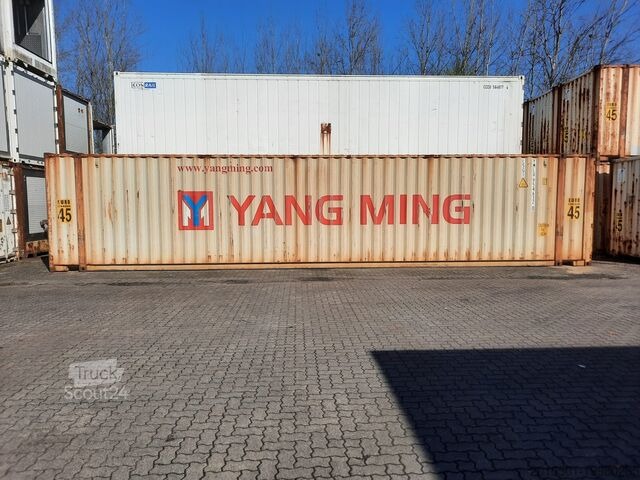
Shipping Containers to Rent: The Complete Guide for Your Business, Event, or DIY Project
Whether you’re a small‑business owner looking for extra storage, a contractor in need of on‑site material storage, an event planner dreaming of an eye‑catching pop‑up bar, or a DIY enthusiast who wants a sturdy, modular space for a workshop—renting a shipping container can be the most cost‑effective and flexible solution. In this guide you’ll learn what to look for, how to choose the right container, the typical costs involved, and the steps to get your container on site fast.
1. Why Rent Instead of Buy?
| Benefit | Renting | Buying |
|---|---|---|
| Up‑front cash outlay | Low – usually a small security deposit + monthly fee | High – you pay the full purchase price (often $2,000‑$7,000+ per unit) |
| Flexibility | Change size or location month‑to‑month; return when you’re done | Fixed asset – you’re stuck with one size and location |
| Maintenance | Provider handles repairs, cleaning, and compliance | You’re responsible for all upkeep, rust, and certifications |
| Upgrade path | Easily swap for a larger or insulated unit as needs grow | You’d need to buy a new container and possibly sell the old one |
| Tax treatment | Treated as an operating expense (deductible) | Capital expense – depreciation over several years |
If you’re unsure about the long‑term need, renting lets you test the waters without committing. It’s also a smart way to keep cash flow healthy while you focus on core business activities.
2. Common Container Types You Can Rent
| Container Size | Standard Dimensions (L×W×H) | Typical Use Cases | Typical Monthly Rental Rate (USD)* |
|---|---|---|---|
| 20‑ft Standard | 20′ × 8′ × 8′ 6″ | Small storage, tool room, pop‑up shop | $80‑$150 |
| 40‑ft Standard | 40′ × 8′ × 8′ 6″ | Large inventory, workshop, mobile office | $150‑$250 |
| 20‑ft High‑Cube | 20′ × 8′ × 9′ 6″ | Taller equipment, extra ceiling height | $100‑$180 |
| 40‑ft High‑Cube | 40′ × 8′ × 9′ 6″ | Full‑size warehouse, event venue, studio | $200‑$320 |
| Modified/Insulated | Varies (usually 20‑ft or 40‑ft) | Cold‑storage, office fit‑out, medical clinic | $150‑$350 (depends on modifications) |
| Open‑Top | Same as standard | Loading of oversized items, construction site | $120‑$220 |
| Flat‑Rack | Same as standard, no side walls | Transporting heavy machinery, pallets | $130‑$240 |
*Rates are average market figures for the United States in 2024, based on a 30‑day lease; actual pricing may vary by region, condition, and optional accessories (e.g., doors, ramp, lighting).
3. How to Choose the Right Container for Your Project
- Define the purpose – storage, office, retail, or workshop?
- Measure your load – length, width, height, and weight of the items you’ll keep inside.
- Consider climate – do you need insulation, ventilation, or a heated unit?
- Plan for access – door type (double swing, roll‑up), side openings, or a forklift‑compatible front.
- Check local regulations – zoning, permits, and fire‑safety requirements may dictate specific modifications.
Quick Decision Checklist
| ✅ | Decision Point |
|---|---|
| 1 | Do you need more than 8 ft of interior height? → Choose a High‑Cube. |
| 2 | Will you be storing temperature‑sensitive goods? → Look for Insulated or Refrigerated options. |
| 3 | Is the container going to be a public venue? → Add windows, lighting, and emergency exits. |
| 4 | Do you need to move the container frequently? → Opt for a lightweight 20‑ft unit with a forklift‑compatible ramp. |
| 5 | Is your site uneven? → Request a leveling kit or a concrete pad from the rental provider. |
4. The Rental Process – Step‑by‑Step
| Step | What You Do | Why It Matters |
|---|---|---|
| 1. Get a Quote | Contact at least three local container rental companies, provide size, duration, and any modifications. | Comparing quotes prevents overpaying and reveals hidden fees. |
| 2. Review the Rental Agreement | Look for clauses on insurance, damage deposits, delivery fees, and early‑termination penalties. | Avoid surprise costs later on. |
| 3. Arrange Site Preparation | Clear a level, paved area (minimum 10′ × 12′ for a 20‑ft unit). Ensure access for the delivery truck. | Guarantees smooth delivery and prevents damage to the container or your property. |
| 4. Schedule Delivery | Choose a date and time; confirm the delivery address and contact person on site. | On‑time delivery keeps your project timeline intact. |
| 5. Inspect Upon Arrival | Check for dents, rust, seal integrity, and that all requested modifications are present. Sign the delivery receipt only after confirming condition. | Protects your security deposit and ensures you get a functional unit. |
| 6. Set Up Utilities (if needed) | Arrange electricity, water, or HVAC connections through a licensed electrician or the rental provider. | Makes the container usable for offices or events. |
| 7. Use & Maintain | Keep the interior clean, avoid overloading beyond the container’s rated weight (≈ 22 t for a 20‑ft unit). | Extends the life of the container and avoids extra charges. |
| 8. Return or Extend | Give notice 7‑10 days before the lease ends; decide whether to extend, swap, or have it picked up. | Guarantees availability for your next project or avoids late‑fee penalties. |
Pro‑Tip:
Ask the rental company if they offer “turnkey” packages—delivery, set‑up, and optional interior fit‑out (shelves, lighting, HVAC) for a single flat fee. This can simplify budgeting and reduce coordination headaches.
5. Real‑World Applications: Inspiration for Your Next Rental
- Seasonal Retail Pop‑Up – A 20‑ft high‑cube transformed into a boutique shop for a summer market.
- Construction Site Storage – A 40‑ft standard container placed next to a job site, holding tools, safety gear, and blueprints.
- Mobile Office – Install windows, a small HVAC unit, and a desk inside a 20‑ft insulated container for remote field teams.
- Event Venue – Pair two 40‑ft containers, cut out a side wall, and create a stylish bar or lounge area for a music festival.
- Community Garden Shed – Use a 20‑ft container as a weather‑proof storage hub for gardening tools and compost bins.
6. Frequently Asked Questions (FAQ)
Q1: How long can I rent a shipping container?
You can rent for as little as a single day (often called “short‑term” or “daily” rentals) up to several years. Most providers have a minimum 30‑day contract for discounted rates.
Q2: Do I need insurance?
Yes. Most rental agreements require you to carry liability insurance covering the container and its contents. Some companies offer optional insurance for an additional fee.
Q3: What happens if the container is damaged?
If damage is beyond normal wear and tear, the rental company will deduct the repair cost from your security deposit. Document any pre‑existing dents before signing the delivery receipt.
Q4: Can I customize the interior (shelves, lighting, etc.)?
Absolutely. Many companies provide “fit‑out” services. If you plan to install fixtures yourself, make sure you get written permission and return the container in its original condition.
Q5: Are there any zoning or permit requirements?
Regulations vary by city and county. Typically, a temporary storage container does not need a building permit, but a permanent installation or a container used as a public venue may require a permit. Check with your local planning department.
Q6: How do I secure the container?
Standard containers come with lockable doors (ISO‑standard haspin locks). For higher security, consider adding a deadbolt, a padlock with a hardened shackle, or a cage‑style lock system.
Q7: What if I need power inside the container?
Most rental companies can deliver a pre‑wired unit with an outlet for a standard 120 V or 240 V connection. For higher power demands (e.g., welding stations), discuss a dedicated circuit with an electrician.
Q8: Can I relocate the container later?
Yes. As long as the container is in good condition and you give the rental company advance notice, they can arrange a second delivery to a new address, usually for an additional fee.
Q9: Are there eco‑friendly options?
Many rental fleets recycle and refurbish used containers, reducing the need for new steel production. Look for companies that advertise “green” or “sustainably sourced” containers.
Q10: How do I calculate the total cost?
Total Cost = (Monthly Rate × Number of Months) + Delivery Fee + Setup/Utility Fees + Insurance + Security Deposit (refunded on return). Add any optional accessories (ramps, shelving, HVAC) for a complete picture.
7. Bottom Line – Is Renting a Shipping Container Right for You?
If you need flexible, durable, and relatively inexpensive space, renting a shipping container is often the smartest move. By following the steps outlined above—defining your needs, comparing sizes and rates, and handling logistics with a reputable provider—you’ll avoid common pitfalls and maximize the value of your rental.
Remember: a container is more than just a metal box. With a little imagination and the right modifications, it becomes an on‑demand warehouse, office, shop, or event venue that you can set up in days, not weeks. So the next time you think about storage or temporary space, ask yourself: “Why buy when I can rent a shipping container and get exactly what I need, when I need it?”
Happy renting! 🚢✨