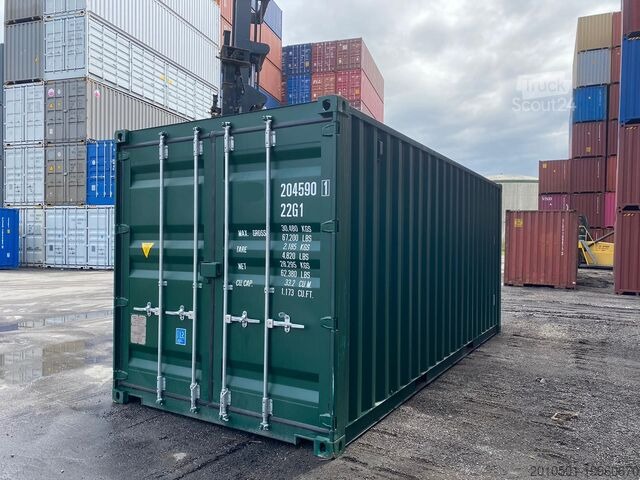
The Practical Guide to Using Used Shipping Containers
You’ve probably seen those massive steel boxes stacked on a dock, humming with the rhythm of global trade. What many people don’t realize is how versatile these used shipping containers have become beyond the world of freight. From pop‑up cafés to emergency shelters, from on‑site storage to modular homes, a second‑hand container can be the backbone of a project that needs speed, durability, and affordability.
In this post you’ll learn:
- The different container types and their dimensions.
- How to evaluate a used container’s condition.
- Where to buy and how to transport it.
- Proven ways to modify a container for your specific need.
- A quick cost comparison between new and used units.
All of the information is presented in a second‑person tone so you can picture yourself making the decisions, and it’s packed with tables, lists, and a FAQ to keep the details easy to scan.
1. What Is a Shipping Container, Anyway?
A shipping container is a standardized steel box built to the ISO 668 specification. That means any container that meets the standard can be stacked, lifted, and moved by the same equipment worldwide—cranes, reach stackers, and intermodal trucks. The standardization also makes the dimensions predictable, which is a huge advantage when you’re planning a build or a storage layout.
Key takeaway: Because the industry uses a single set of measurements, you can design a space today and be confident the container will fit on a ship, train, or truck tomorrow.
2. Container Types & Typical Uses
Below is a quick reference table that shows the most common used container categories, their internal dimensions, and the applications they’re best suited for.
| Type | External Size (L × W × H) | Internal Volume | Typical Uses |
|---|---|---|---|
| Dry (Standard) 20‑ft | 20′ × 8′ × 8′6″ | 1,172 ft³ | On‑site storage, small workshops, modular offices |
| Dry (Standard) 40‑ft | 40′ × 8′ × 8′6″ | 2,390 ft³ | Pop‑up retail, larger workshops, container homes |
| High‑Cube 40‑ft | 40′ × 8′ × 9′6″ | 2,690 ft³ | Projects that need extra headroom (e.g., labs) |
| Reefer (Refrigerated) | 40′ × 8′ × 8′6″ | 2,380 ft³ (insulated) | Cold‑storage, food trucks, vaccine transport |
| Open‑Top | 40′ × 8′ × 8′6″ (no roof) | 2,370 ft³ | Heavy‑machinery loading, bulk commodities |
| Flat‑Rack | 40′ × 8′ × 4′ (no sidewalls) | 1,260 ft³ (deck) | Oversized cargo, steel beams, vehicles |
| Half‑Height | 20′ × 8′ × 4′3″ | 600 ft³ | Small storage, garden sheds, tool lockers |
Tip: If you need to cut doors or windows later, start with a dry 20‑ft or 40‑ft unit. They’re the easiest to modify because the walls are uniformly thick and there are no built‑in refrigeration components or missing roofs.
3. Why Choose a Used Container?
You might wonder whether buying a brand‑new container is worth the extra cash. Here’s a concise list of the advantages that make the pre‑owned option so attractive:
- Cost Savings – Used units typically run 30‑60 % below the price of new ones.
- Immediate Availability – A used container can be delivered within a week, whereas a new one may have a lead time of 30‑90 days.
- Proven Durability – Even a container that’s been on a ship for years has already survived harsh marine conditions, proving its structural integrity.
- Eco‑Friendly – Repurposing an existing steel box reduces the demand for new steel production, lowering your project’s carbon footprint.
- Flexibility for Modifications – Because you’re paying less, you can allocate more budget to custom work (insulation, windows, interior framing).
4. How to Evaluate a Used Container’s Condition
Most sellers grade containers from A to D. Below is a breakdown that helps you match a grade to the level of refurbishment you’ll need.
| Grade | Exterior | Interior | Roof | Typical Price (USD) | Best For |
|---|---|---|---|---|---|
| A (One‑Trip) | No dents, no rust, paint fresh | Clean, no holes | No corrosion | $2,500‑$3,500 (20‑ft) | High‑end retail, office |
| B (Cargo‑Ready) | Minor dents, light surface rust | Minor wear, some dents | Small rust patches | $2,000‑$2,800 | Storage, workshops |
| C (Used) | Noticeable dents, moderate rust | Scratches, holes, possible water damage | Corrosion, possible leaks | $1,500‑$2,200 | DIY projects, cheap storage |
| D (Damaged) | Heavy dents, extensive rust, may need welding | Significant damage, water ingress | Roof may need replacement | $800‑$1,400 | Renovation practice, art installations |
What to inspect personally
- Floor condition – Look for rust-through or buckling.
- Doors and hinges – Ensure they open smoothly and seal properly.
- Corner castings – The four strong points where cranes lift; they should be free of cracks.
- Ventilation – Check for blocked or missing vents.
If you’re not comfortable doing the inspection yourself, hire a container inspection service—they usually charge $100‑$200 per unit and can save you from costly surprises.
5. Where to Find Used Containers
You have several pathways to source a container. Pick the one that aligns with your timeline and budget.
| Source | Pros | Cons | Typical Lead Time |
|---|---|---|---|
| Local Dealers | Quick inspection, often offer on‑site delivery | Higher price than auctions | 3‑7 days |
| Online Marketplaces (e.g., eBay, ContainerAuction.com) | Wide selection, competitive pricing | Shipping logistics left to you | 1‑3 weeks |
| Salvage Yards | Lowest price, often bulk discounts | May need more refurbishment | 1‑2 weeks |
| Shipping Lines (Return Containers) | New‑ish grades (A‑B), well‑maintained | Limited inventory, strict credit terms | 2‑4 weeks |
Pro tip: When buying from a dealer, ask whether they offer a ‘ready‑to‑use’ package that includes delivery, off‑loading, and a basic interior finish (e.g., plywood floor and insulated walls). It can be a cost‑effective shortcut.
6. Modifying a Container: From Box to Building
Turning a steel box into a functional space is more straightforward than many think. Below is a step‑by‑step checklist that covers the most common upgrades.
- Design & Permitting
- Sketch floor plans, door/window locations, and utility routes.
- Check local building codes—some municipalities treat a container as a “modular unit” and require a permit.
- Structural Cutting
- Use an angi‑cutting torch or plasma cutter for precise openings.
- Reinforce any cuts with steel brackets to preserve structural integrity.
- Insulation & Interior Finish
- Choose between spray foam, rigid foam board, or fiberglass.
- Install a vapor barrier, then attach plywood or OSB for walls and ceiling.
- Electrical & HVAC
- Run conduit per NEC (or local equivalent).
- If the container will be occupied, install a mini-split HVAC for efficient heating/cooling.
- Flooring
- Seal the original steel floor with epoxy, then lay interlocking vinyl or engineered wood for comfort.
- Exterior Treatments
- Apply a marine‑grade primer followed by powder coating for longevity.
- Add rainscreen cladding if you want a different aesthetic.
- Final Inspection
- Verify that all cuts are properly sealed, utilities are safely connected, and the unit complies with fire‑rating requirements.
Cost snapshot – A basic conversion (insulation, flooring, interior walls, and one door) for a 20‑ft container typically ranges from $6,000 to $9,000. Adding HVAC, solar panels, or high‑end finishes pushes the total toward $12,000‑$15,000.
7. Logistics: Getting the Container to Your Site
Even the best‑looking container is useless if it never arrives. Keep these logistics items on your checklist.
| Item | What to Do |
|---|---|
| Delivery Method | Choose between flat‑bed truck (cheaper) or low‑boy trailer (allows for 40‑ft units). |
| Permits | Some cities require a road‑use permit for oversized loads. |
| On‑Site Unloading | Ensure the location has a level surface and enough clearance for a crane or forklift. |
| Storage Before Installation | If you can’t place it immediately, store the container under a covered area to prevent rain‑water accumulation. |
| Insurance | Purchase transport insurance (typically 1‑2 % of the container’s value). |
8. Quick Cost Comparison: New vs. Used
Below is a simple table that illustrates how the expenses stack up for a 40‑ft dry container, assuming you need a basic interior finish.
| Scenario | Purchase Price | Delivery (≈ 100 mi) | Conversion | Total Approx. Cost |
|---|---|---|---|---|
| New, No Modifications | $4,800 | $800 | $0 | $5,600 |
| New, Basic Conversion | $4,800 | $800 | $7,500 | $13,100 |
| Used (Grade B) | $2,500 | $800 | $7,500 | $10,800 |
| Used (Grade C) | $1,500 | $800 | $9,000 (extra repairs) | $11,300 |
Bottom line: Even after factoring in modest conversion costs, a used Grade‑B container typically saves you $2,300‑$3,600 versus buying new and customizing it.
9. Frequently Asked Questions
Q1: How long does a used container last?
A: A well‑maintained steel container can easily exceed 30‑40 years of service. The limiting factor is usually corrosion; regular painting and a protective coating can extend its life indefinitely.
Q2: Can I stack a used container on top of a new one?
A: Yes. Containers are engineered to bear the weight of another container (≈ 2,300 kg for a 20‑ft unit). Just ensure the bottom unit’s corner castings are in good condition and that the ground is level and firm.
Q3: Is it legal to convert a container into a dwelling?
A: In many jurisdictions, a container is treated like any other modular building. You’ll need a building permit, compliance with local zoning laws, and adherence to fire‑safety standards (e.g., proper egress and fire‑rated doors).
Q4: What maintenance does a container need?
A: Perform a visual inspection at least twice a year. Look for rust, sealant degradation, and water pooling. Re‑paint the exterior every 5‑7 years, and apply a rust‑inhibiting primer if you notice any surface corrosion.
Q5: Can I add solar panels to a container?
A: Absolutely. Mount a photovoltaic (PV) array on the roof using a low‑profile racking system. A 3 kW system on a 40‑ft container provides enough power for lighting, small appliances, and a mini‑split HVAC.
Q6: How do I secure a container against theft?
A: Install high‑security locks (e.g., cylinder deadbolts) on both doors, reinforce the corner castings with anti‑tamper plates, and consider a GPS tracking device. If the container will be stationary for a long period, a fencing perimeter or security camera adds an extra layer of protection.
10. Final Thoughts
You now have a solid toolbox for turning a second‑hand shipping container into a functional asset—whether that’s a compact office, a pop‑up shop, a storage hub, or even a tiny home. The key steps are:
- Pick the right type and grade for your project.
- Inspect meticulously or hire a professional to avoid hidden damage.
- Plan the modifications early and verify local building requirements.
- Arrange transport and insurance to protect your investment.
When you follow this roadmap, you’ll reap the benefits of a cost‑effective, durable, and environmentally friendly solution that can be deployed in weeks rather than months.
Ready to start? Check local listings, get a few quotes, and imagine the possibilities that a simple steel box can unlock for your next venture. Happy building!