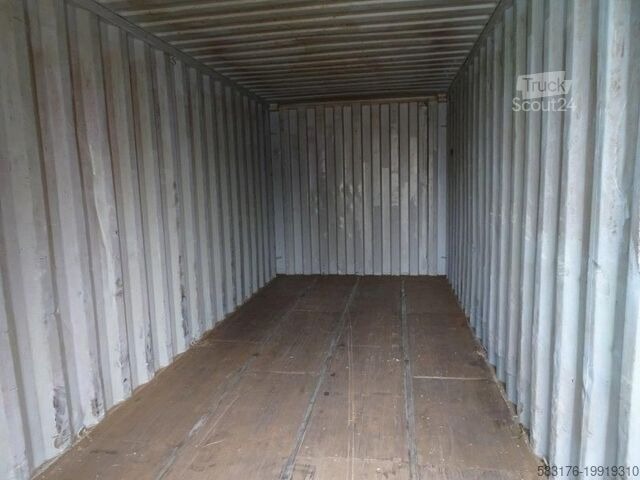
The Ultimate Guide to Shipping Containers: What You Need to Know Before You Buy, Rent, or Repurpose
When you first hear “shipping container,” you probably picture a massive steel box stacked on a cargo ship, ferrying goods across oceans. Yet the reality is far richer: containers have become versatile building blocks for everything from pop‑up shops and tiny homes to data centers and emergency shelters. If you’re considering buying, renting, or repurposing a container, this guide will walk you through every essential detail—sizes, materials, costs, regulations, and best‑practice tips—so you can make an informed decision that fits your project, budget, and timeline.
1. Why Shipping Containers Matter to You
- Standardized dimensions make logistics predictable.
- Durable steel construction offers weather‑resistance, fire‑rating, and security.
- Modular nature lets you stack, combine, or customize with relative ease.
- Eco‑friendly option: Reusing a container reduces the demand for new building materials and diverts steel from landfill.
Understanding these advantages helps you decide whether a container is the right foundation for your next venture.
2. The Core Types of Containers
| Type | Common ISO Code | Typical Length (ft) | Height (ft) | Load Capacity (kg) | Primary Use |
|---|---|---|---|---|---|
| Standard Dry Container | 20′ (DRY) / 40′ (DRY) | 20, 40 | 8.5 (standard) / 9.5 (high‑cube) | 21,600 (20′) / 28,200 (40′) | General cargo |
| High‑Cube Dry | 40′ HC | 40 | 9.5 | 28,200 | More internal volume (≈12% ↑) |
| Reefer (Refrigerated) | 20′ REF / 40′ REF | 20, 40 | 8.5 / 9.5 | 21,500 / 28,000 | Perishables, pharmaceuticals |
| Open‑Top | 20′ OT / 40′ OT | 20, 40 | 8.5 | 21,500 / 28,200 | Oversized cargo, bulk goods |
| Flat‑Rack | 20′ FR / 40′ FR | 20, 40 | – (no walls) | 28,500 (40′) | Heavy machinery, containers |
| Ventilated (Vent) / Side‑Door | 20′ VENT | 20 | 8.5 | 21,600 | Grain, ores, chemicals |
| Specialty (e.g., Tank, Half‑Height) | 20′ TANK | 20 | Varies | Varies | Liquids, gases |
Quick tip: If you are building a static structure (office, studio, home), a standard 40′ high‑cube dry container often offers the best balance of interior space and cost.
3. Decoding the Numbers – What Size Should You Choose?
3.1. Volume vs. Footprint
| Container | Internal Volume (m³) | Floor Area (m²) | Approx. Square Footage |
|---|---|---|---|
| 20′ Dry | 33.1 | 14.6 | 157 sq ft |
| 40′ Dry | 67.5 | 29.3 | 315 sq ft |
| 40′ HC | 76.4 | 29.3 | 315 sq ft (taller) |
- Volume matters when you’re storing bulky items or need a roomy interior for an office or workshop.
- Floor area matters for layout planning. Two 20′ units side‑by‑side equal a 40′ unit in length, but the 40′ offers a continuous, unobstructed span—important for interior walls, HVAC, or large equipment.
3.2. Height Considerations
- Standard (8′6″): Suitable for most storage and basic office conversions.
- High‑Cube (9′6″): Adds roughly 12% more internal volume and improves headroom—ideal for residential or retail conversions.
4. Buying vs. Renting: Which Path Fits Your Project?
| Factor | Buying (New/Used) | Renting/Leasing |
|---|---|---|
| Up‑front Cost | High (USD 2,000‑5,000 for a 20′; USD 3,500‑7,500 for a 40′) | Low (USD 150‑300 per month) |
| Long‑Term ROI | Better if you plan >5 years of use; you own the asset. | Cost‑effective for short‑term or seasonal needs. |
| Maintenance Responsibility | Full – you must handle repairs, painting, and compliance. | Provider handles most upkeep; you pay a service fee. |
| Flexibility | Limited to the units you own, unless you buy multiples. | Easy to scale up/down; you can swap for different sizes. |
| Depreciation & Tax | Can be written off as a capital asset (consult accountant). | Generally treated as an operating expense. |
Bottom line: If you anticipate using the container for years and possibly reselling or repurposing it, buying makes financial sense. For pop‑up events, temporary storage, or a pilot project, renting reduces risk.
5. The Hidden Costs You Must Factor In
- Delivery & Handling – Expect 10–20% of the container price for local transport, especially if the site is more than 20 miles away.
- Modifications – Cutting doors, windows, adding insulation, HVAC, or electrical wiring can add USD 1,500‑5,000 per unit.
- Permits & Zoning – Some municipalities require building permits for container structures; fees vary widely.
- Compliance Upgrades – Fire‑rating, structural reinforcement, and ADA (Americans with Disabilities Act) compliance may be mandatory for public use.
- Insurance – Cargo insurance (for the container itself) typically runs 1–2% of the container’s declared value per year.
Create a simple spreadsheet to track each line item. Below is a sample budgeting table for a 40′ high‑cube conversion:
| Item | Estimated Cost (USD) |
|---|---|
| Container purchase (used) | 4,500 |
| Delivery (30 miles) | 800 |
| Structural modifications (doors, windows) | 2,200 |
| Insulation & interior finish | 3,000 |
| Electrical & lighting | 1,500 |
| Permit & inspection | 600 |
| Insurance (annual) | 120 |
| Total First‑Year Outlay | 12,720 |
6. Key Regulations & Safety Standards
| Regulation | What It Covers | Typical Requirement |
|---|---|---|
| ISO 668 | External dimensions & ratings | All containers must meet standard length/width/height. |
| CSC (Convention for Safe Containers) | Periodic safety inspections | Renewed every 5 years; visible CSC plate required. |
| UL 1709 / NFPA 286 | Fire resistance for container buildings | Must use fire‑rated insulation and interior cladding. |
| IBC (International Building Code) | Structural loads, egress, occupancy | May require additional bracing for stacked or modified units. |
| Local Zoning Codes | Land use, setbacks, height limits | Vary city‑to‑city; often treat containers as “accessory structures.” |
Always verify with your local building department before commencing any conversion. Failure to comply can result in fines, forced demolition, or insurance denial.
7. Step‑by‑Step Checklist for a Successful Container Project
- Define the Purpose – Storage, office, retail, housing, etc.
- Select Size & Type – Use the tables above to match volume and height needs.
- Choose New vs. Used – Inspect used units for dents, rust, and CSC plate validity.
- Secure a Supplier – Compare at least three vendors for price, delivery terms, and warranty.
- Obtain Permits – Submit plans, structural calculations, and fire‑rating details.
- Plan Modifications – Sketch layout, decide on cuts for doors/windows, and specify insulation.
- Arrange Delivery & Site Prep – Ensure a level foundation (concrete pad, steel cradle, or timber deck).
- Execute Modifications – Hire certified welders and electricians; follow OSHA safety guidelines.
- Install Utilities – Connect to power, water, and waste lines if needed.
- Final Inspection & Certification – Obtain certificate of occupancy (CO) if required.
Following this roadmap reduces surprise costs and keeps the project on schedule.
8. Creative Ways to Repurpose Shipping Containers
- Micro‑Warehouses for e‑commerce fulfillment centers.
- Pop‑Up Cafés or food trucks equipped with a built‑in kitchen.
- Portable Classrooms for remote or disaster‑relief education.
- Solar‑Powered Tiny Homes with rooftop panels and off‑grid battery storage.
- Data Centers – The steel shell offers natural shielding; just add HVAC and fire suppression.
Each use case has its own set of design considerations, but the underlying principle remains: a container provides a ready‑made “shell” that can be customized to fit almost any need.
9. Frequently Asked Questions (FAQ)
Q1: How long does a shipping container last?
A: Steel containers are designed for a 30‑year service life under normal conditions. With proper maintenance (painting, rust treatment, and periodic CSC inspections), they can exceed 40 years.
Q2: Can I stack containers on top of a residential building?
A: Yes, but you must follow structural engineering guidelines. Typically, a 40′ container can support another container of the same size if the floor framing is reinforced and the foundation is designed for the added load (≈ 2,800 kg per square meter).
Q3: Are containers waterproof?
A: Modern ISO containers are weather‑tight and rated for 30‑day continuous exposure to rain. However, the doors are the weak point; regular lubrication of hinges and gaskets is essential.
Q4: What’s the difference between a “new” and “used” container?
A: New containers are built to the latest CSC standards, have a pristine CSC plate, and typically come with a 12‑month warranty. Used containers may have minor dents or rust, may lack a current CSC inspection, and require a more thorough visual check.
Q5: Is it possible to insulate a container for Arctic conditions?
A: Absolutely. Spray‑foam polyurethane, rigid foam board, or even vacuum‑insulated panels can bring the R‑value up to R‑30 or higher. Pair insulation with a heat‑recovery ventilation system for energy efficiency.
Q6: Do I need a professional engineer to modify a container?
A: For minor cuts (e.g., adding a window) you can do it yourself, but any structural alteration—removing a sidewall, adding a roof hatch, or stacking—should be reviewed and signed off by a licensed structural engineer.
Q7: How do I calculate the weight of a loaded container?
A: Use the container’s tare weight (empty weight, printed on the CSC plate) plus the payload (the weight of the cargo). The sum must not exceed the maximum gross weight (often 30,480 kg for a 40′ dry container). Example: 40′ container tare = 3,800 kg, payload = 20,000 kg → total = 23,800 kg (within limit).
Q8: Can I paint the exterior a different color?
A: Yes, but use marine‑grade epoxy primer and a high‑performance acrylic topcoat to maintain corrosion protection. Avoid oil‑based paints that can trap moisture.
Q9: What are the environmental benefits of using a container?
A: Reusing a container prevents steel from entering the waste stream, reduces demand for new building materials, and often requires less energy to “build” compared to traditional construction. A life‑cycle analysis shows up to 60% lower carbon emissions per square foot for container‑based structures.
Q10: Where can I find a reliable container supplier?
A: Look for companies with ISO‑9001 certification, a solid track record of CSC compliance, and transparent warranty terms. Online marketplaces (e.g., ContainerAuction.com, SeaBox, and local port authorities) also list verified dealers.
10. Final Thoughts – Turning a Steel Box into Your Next Asset
Shipping containers are far more than cargo carriers; they’re a global standard that can become the backbone of an innovative project, a cost‑effective storage solution, or a sustainable building material. By understanding the sizes, costs, regulations, and best‑practice steps outlined above, you’ll be equipped to:
- Choose the right container type for your functional need.
- Budget realistically, accounting for hidden expenses.
- Navigate compliance with confidence.
- Transform a plain steel box into a thriving workspace, home, or commercial hub.
Ready to take the next step? Start by listing your project goals, then match them against the tables and checklists in this post. The right container is waiting—just a few clicks, a few phone calls, and a well‑planned strategy away. Happy building!