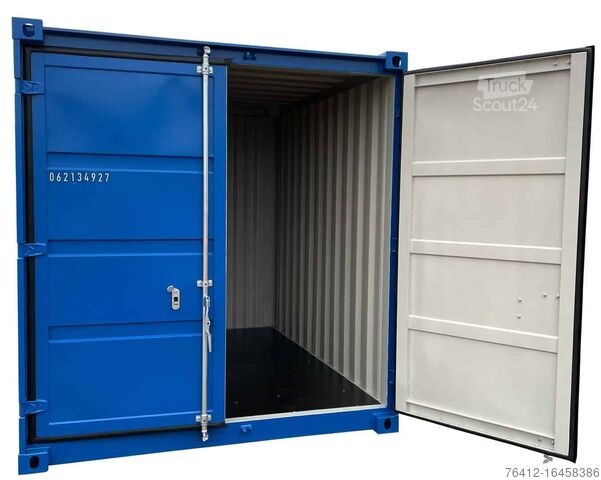
Shipping Containers in the UK: What You Need to Know Before You Buy, Rent, or Repurpose
If you’ve ever walked past a stack of steel boxes at a construction site, a port, or a storage yard, you’ve seen the humble shipping container – a versatile, durable, and surprisingly affordable asset. In the United Kingdom, the market for new and used containers has exploded over the past decade, driven by a surge in e‑commerce, modular construction, and the DIY‑home‑renovation trend.
This guide walks you through everything you need to know to make an informed decision, whether you’re looking to buy, rent, or repurpose a container for personal or commercial use. We’ll cover the most common sizes, price ranges, regulatory considerations, and the top ways to get the most value from your investment.
1. Why Shipping Containers Are a Smart Choice
| Benefit | How It Impacts You | Typical Use‑Case |
|---|---|---|
| Durability | 24‑hour protection against weather, theft, and pests | Long‑term storage, site offices |
| Portability | Can be moved by truck, rail, or ship with minimal paperwork | Pop‑up shops, temporary classrooms |
| Modularity | Stackable and easily combined for larger spaces | Modular homes, multi‑room offices |
| Cost‑Effectiveness | £1,200‑£4,500 for a used 20‑ft unit, far cheaper than building a permanent structure | Budget‐friendly warehouses, workshops |
| Sustainability | Repurposing reduces waste; many are made from recycled steel | Eco‑friendly projects, green building certifications |
If you’re looking for a rugged, low‑maintenance solution that can be customized to fit almost any need, a shipping container is often the answer.
2. The Most Common Container Types in the UK
| Size (ft) | Internal Dimensions (L × W × H) | Typical Load Capacity | Approx. Price (New) | Approx. Price (Used) |
|---|---|---|---|---|
| 20‑ft Standard | 5.90 m × 2.35 m × 2.39 m | 28 t | £2,800 – £3,500 | £1,200 – £1,800 |
| 40‑ft Standard | 12.03 m × 2.35 m × 2.39 m | 26 t | £4,200 – £5,200 | £2,500 – £3,500 |
| 20‑ft High‑Cube | 5.90 m × 2.35 m × 2.70 m | 28 t | £3,200 – £4,000 | £1,600 – £2,400 |
| 40‑ft High‑Cube | 12.03 m × 2.35 m × 2.70 m | 26 t | £5,500 – £6,500 | £3,200 – £4,500 |
| 45‑ft High‑Cube | 13.56 m × 2.35 m × 2.70 m | 26 t | £7,000 – £8,500 | £4,800 – £6,200 |
Tip: If you need extra headroom for tall equipment or a lofted living space, opt for a high‑cube model. The additional 30 cm of height can make a huge difference in comfort and usability.
3. Buying vs. Renting: Which Is Right for You?
Buying
- Ideal For: Long‑term storage, permanent site offices, modular homes, businesses that plan to keep the container for several years.
- Pros:
- Full ownership – you can modify it as you wish.
- Fixed cost – no recurring fees once the purchase is made.
- Asset value – can be resold or repurposed later.
- Cons:
- Higher upfront capital outlay.
- Responsibility for maintenance and transportation.
Renting
- Ideal For: Short‑term projects, events, seasonal storage, or when you need a container only for a few months.
- Pros:
- Lower initial expense, often with flexible lease terms.
- Provider handles delivery, pick‑up, and basic maintenance.
- Easy to upgrade to a bigger size mid‑project.
- Cons:
- Ongoing cost can add up over long periods.
- Limited ability to heavily modify the container (some providers restrict structural changes).
Quick Decision Checklist
| Question | Yes → Consider | No → Consider |
|---|---|---|
| Will you need the container for more than 2 years? | Buying | Renting |
| Do you have budget for upfront purchase? | Buying | Renting |
| Do you want full control over interior fit‑out (plumbing, walls, windows)? | Buying | Renting (if provider allows modifications) |
| Is the project seasonal or temporary? | Renting | Buying |
| Do you need quick delivery (within days)? | Renting (most firms have stock) | Buying (may require lead time for new builds) |
4. Regulatory and Planning Considerations in the UK
- Planning Permission – Most stand‑alone containers used for storage do not require planning permission, but if you intend to use the container as a habitable space, a House in Multiple Occupation (HMO) or residential dwelling, you will need approval from the local council.
- Building Regulations – When converting a container into a living area, you must meet Approved Document Part B (Fire Safety), Part L (Energy Efficiency), and Part M (Access).
- Road Transport – If you intend to move a container yourself, you’ll need a Standard Vehicle (GVW ≤ 3.5 t) licence for a 20‑ft unit, and possibly a Category C1 licence for a 40‑ft unit.
- Site Access – Verify that the delivery location can accommodate the container’s dimensions and weight. Many sites require a crane or forklift for placement.
5. Top 7 Ways to Repurpose a Shipping Container in the UK
- Portable Office – Add insulation, windows, and a small HVAC unit to create a cost‑effective field office for construction sites.
- Pop‑up Retail Store – Use branding graphics and a modular interior to set up a temporary shop at festivals or markets.
- Home Office/Studio – Convert a 20‑ft container into a sound‑proof studio for music, photography, or video editing.
- Tiny Home – Pair two high‑cube containers, cut out a doorway, and install plumbing for a sleek, off‑grid micro‑home.
- Garden Storage Shed – Perfect for garden tools, fertilizers, or a small workshop; add a lockable door and ventilation.
- Cold Storage/Walk‑In Freezer – With insulated panels and industrial refrigeration, a container can serve as a low‑cost freezer for food businesses.
- Community Hub – Local councils and charities use containers for libraries, youth clubs, or disaster‑relief shelters thanks to rapid deployment.
6. How to Choose the Right Supplier
| Supplier Type | What to Expect | Red Flags |
|---|---|---|
| Large‑Scale Distributor (e.g., Big Box Containers, Container City) | Wide inventory, financing options, national delivery network | Minimum order quantities that are unrealistic for small projects |
| Local Dealer | Personalized service, quicker response, ability to see container condition in person | Lack of certification or proof of ISO‑standard compliance |
| Online Marketplace (e.g., eBay, Gumtree) | Competitive pricing, variety of used units | No warranty, limited transport support |
| Specialist Converter (e.g., Container Conversions Ltd.) | Turnkey fit‑out packages, design assistance, compliance guarantee | Higher price; ensure they have relevant building‑control approvals |
Verification Checklist
- ISO 668 Certification – Confirms container dimensions meet international standards.
- CSC Plate – The Container Safety Convention plate should be intact and legible.
- Condition Report – Look for documented dents, rust, or structural repairs.
- Delivery Terms – Clarify who arranges the truck, crane, and any site preparation.
7. Cost Breakdown: What You’ll Pay Beyond the Purchase Price
| Expense | Typical Range (GBP) | How to Minimise |
|---|---|---|
| Delivery & Placement | £200‑£800 (depends on distance & crane hire) | Consolidate deliveries, negotiate with supplier |
| Modifications (insulation, doors, windows) | £500‑£3,500 | DIY interior work if you have the skill, or use a pre‑fitted modular kit |
| Planning & Building Approvals | £150‑£1,200 | Check if your project qualifies for a permitted development exemption |
| Insurance | £100‑£300 per year | Choose a policy that covers both transport and on‑site use |
| Maintenance (painting, rust treatment) | £50‑£200 annually | Routine cleaning and protective coating extend lifespan |
8. Real‑World Example: From Container to Café in Manchester
- Client: A boutique coffee brand wanted a low‑cost, mobile café that could relocate to festivals and high‑traffic city corners.
- Solution: Purchased a 20‑ft high‑cube container (£1,650) from a local dealer, added insulated panels, a small kitchen fit‑out, and a serving window.
- Timeline: 6 weeks from delivery to opening.
- Cost Summary:
- Container: £1,650
- Delivery & crane: £400
- Fit‑out (kitchen equipment, plumbing, interior finish): £2,800
- Licenses & insurance: £500
- Total: £5,350 – roughly 30 % of the cost of a traditional brick‑and‑mortar café space of comparable size.
9. Frequently Asked Questions (FAQ)
| Question | Answer |
|---|---|
| Do I need a licence to own a shipping container? | No licence is required to own one, but a road transport licence is needed if you plan to move it yourself. |
| Can I stack containers on top of each other? | Yes, most containers are designed for stacking up to 9 units high when properly secured. However, you need a strong foundation and, for permanent setups, building‑regulation approval. |
| What’s the difference between a “dry van” and a “reefer”? | A dry van is a standard, non‑temperature‑controlled container. A reef (refrigerated container) contains an insulated shell and built‑in cooling unit, costing 30‑50 % more. |
| How long does a container last? | A well‑maintained steel container can last 30‑40 years. Corrosion and structural damage will reduce lifespan. |
| Are there tax advantages to buying a container for business use? | In the UK, containers used for business can be claimed as capital assets under annual investment allowance (AIA). Consult an accountant for specific deductions. |
| Can I paint the exterior without affecting its structural integrity? | Yes, but you should clean and prime the steel first, then use marine‑grade or industrial enamel paint to protect against rust. |
| What’s the best way to secure a container against theft? | Install a high‑security lock (e.g., D‑lock), add cameras, and consider a ground anchoring system for larger installations. |
| Is it possible to obtain a container with a side door? | Yes, many suppliers offer side‑door containers (usually 3 m wide) – ideal for quick loading or as a workshop entrance. |
| Do containers come with electricity outlets? | Not from the factory. You’ll need to fit internal wiring and a power inlet or connect to an external source with a proper RCD. |
| What is the “CSC” plate and why does it matter? | The Container Safety Convention plate shows the container’s maximum gross weight and inspection status. It verifies that the container meets safety standards. |
10. Take the Next Step
You now have the essential knowledge to decide whether a shipping container is the right solution for your project, how to source the right size, and what practical steps you need to follow to keep everything legal, safe, and cost‑effective.
Action Checklist
- Define Your Use‑Case – Storage, office, retail, or home?
- Select Size & Type – Use the table in Section 2 to compare.
- Choose Buying vs. Renting – Apply the quick decision checklist.
- Find a Certified Supplier – Verify ISO, CSC, and condition reports.
- Plan Modifications – Sketch interior layout, identify insulation and services needed.
- Check Planning Requirements – Contact your local council early.
- Arrange Delivery & Setup – Confirm site access and crane availability.
If you follow these steps, you’ll be well on your way to turning a simple steel box into a functional, profitable, or comfortable space that fits perfectly into your UK‑based operation.
Ready to start? Browse local directories such as Container Solutions UK or The Container Yard for immediate stock, request a quote, and let the transformation begin.
Happy building, storing, or selling—your shipping container adventure awaits!