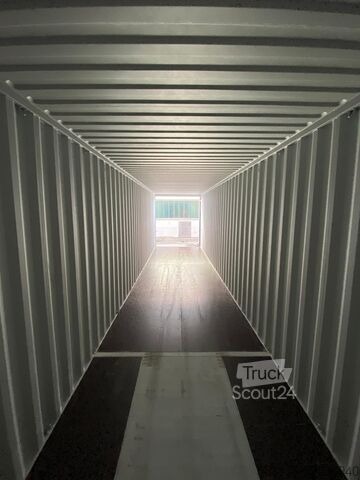
Shipping Crates for Sale in the UK – Your Complete Buying Guide
If you’ve ever needed a reliable way to protect, store or transport goods, you already know that a good crate can be the difference between a flawless delivery and a costly disaster. In this post we’ll walk you through everything you need to know about purchasing shipping crates in the United Kingdom – from the different styles on the market to price‑point considerations, legal requirements, and how to choose a supplier that fits your business.
1. Why Shipping Crates Matter
- Protection – Sturdy walls and reinforced corners safeguard fragile items from impacts, vibration and moisture.
- Standardisation – Uniform dimensions simplify stacking, palletisation and loading onto trucks, ships or trains.
- Compliance – Many industries (pharmaceuticals, food, chemicals) are required by regulations to use certified containers.
- Cost‑Efficiency – Re‑usable crates reduce packaging waste and long‑term expenses compared with single‑use cardboard boxes.
Bottom line: Picking the right crate isn’t just about buying a wooden box – it’s an investment in product integrity, operational efficiency and sustainability.
2. Types of Shipping Crates Available in the UK
| Crate Type | Typical Material | Load Capacity* | Best For | Common Sizes (mm) | Certifications (UK/EU) |
|---|---|---|---|---|---|
| Standard Pallet Crate | Softwood (spruce, pine) | 500–1 200 kg | General goods, retail pallets | 800 × 600 × 400, 1 200 × 800 × 600 | CE‑Mark (if used for hazardous cargo) |
| Hardwood Crate | Oak, beech, birch | 1 200–2 500 kg | Heavy machinery, automotive parts | 1 200 × 1 200 × 800 | ISO 1161 (container handling) |
| Plywood Crate | 5‑mm to 18‑mm marine plywood | 300–900 kg | Electronics, delicate equipment | 600 × 400 × 300, 1 000 × 800 × 500 | BS 1088 (strength) |
| Plastic/HDPE Crate | High‑density polyethylene | 250–600 kg | Food, chemicals, pharma (non‑hazardous) | 500 × 300 × 250, 800 × 600 × 400 | ISO 22000 (food safety) |
| Custom‑Fabricated Crate | Mixed (steel frames + wood panels) | Varies | Oversized or uniquely shaped cargo | Built to spec | CE, ISO 1496‑1 (if container‑type) |
| ISO‑Standard Container‑Compatible Crate | Softwood + metal corner castings | 1 000–2 000 kg | Intermodal transport (ship‑rail‑road) | 1 200 × 800 × 600 (compatible with 40‑ft containers) | ISO 668, ISO 1496‑2 |
*Load capacity is a guideline; always verify with the supplier’s test data.
3. How to Choose the Right Crate for Your Business
Step‑by‑Step Checklist
- Identify the cargo – weight, dimensions, fragility, moisture sensitivity.
- Determine the transport mode – road, rail, sea, or a combination. Some crates need reinforced corners for container handling.
- Check regulatory requirements – e.g., food‑grade crates need FDA/UK‑Food Standards Agency approval, while chemical shipments may need UN 1993 classification.
- Select material – wood for cost‑effectiveness, hardwood for heavy loads, plastic for hygiene.
- Consider re‑usability – calculate ROI if you plan to circulate the same crates repeatedly.
- Ask for certifications – a reputable supplier will provide CE‑Mark, ISO, or BS test reports.
Quick Comparison List
| Need | Recommended Crate | Why |
|---|---|---|
| Heavy machinery (>1 500 kg) | Hardwood crate with steel corner castings | Maximum strength & durability |
| Electronic components | Plywood crate with foam inserts | Lightweight, good shock absorption |
| Food‑grade bulk items | HDPE plastic crate (food‑safe) | Easy to clean, non‑porous |
| One‑off shipments | Standard soft‑wood pallet crate (buy‑back option) | Low upfront cost |
| Custom‑shaped cargo | Bespoke steel‑frame crate | Tailored dimensions & reinforcement |
4. Where to Buy Shipping Crates in the UK
| Supplier | Location | Product Range | Price (per unit) | Lead Time | Notable Features |
|---|---|---|---|---|---|
| The Crate Company | Manchester | Standard, custom, re‑usable | £45–£210 | 5–14 days | Buy‑back program, ISO‑certified |
| Pack‑It‑UK | London | Plastic HDPE, pallet crates | £38–£175 | 3–10 days | Food‑grade, colour‑coded options |
| Wooden Crate Solutions | Birmingham | Hardwood, soft‑wood, metal‑frame | £60–£300 | 7–21 days | In‑house CNC cutting, on‑site assembly |
| Eurocrate Ltd | Glasgow | ISO‑compatible, container‑ready | £70–£260 | 10–15 days | CE‑Mark, EU export‑ready |
| Eco‑Recrate | Bristol | Re‑usable, recycled wood, eco‑certified | £50–£190 | 5–12 days | Sustainability reports, carbon‑neutral shipping |
Prices are indicative and vary with size, material grade and order volume.
5. Pricing Overview – What to Expect
| Size (mm) | Soft‑wood pallet crate | Hardwood crate | HDPE plastic crate |
|---|---|---|---|
| 600 × 400 × 300 | £45 – £55 | £80 – £100 | £38 – £50 |
| 800 × 600 × 400 | £60 – £70 | £120 – £150 | £55 – £70 |
| 1 200 × 800 × 600 | £110 – £130 | £210 – £260 | £120 – £150 |
| Custom (over 1 500 mm) | N/A | Quote on request | Quote on request |
Factors that influence price
- Material grade – Baltic pine vs. oak; recycled HDPE vs. virgin.
- Treatment – Heat‑treatment for ISPM 15 (required for international wood shipments).
- Quantity – Bulk orders (≥ 500 units) can attract 10‑15 % discounts.
- Finishing – Painting, branding or QR‑code stickers add a modest surcharge.
6. Legal & Compliance Considerations
- ISPM 15 (International Standards for Phytosanitary Measures) – If you’re exporting wood crates outside the UK, the wood must be heat‑treated or fumigated and carry the W‑P stamp.
- CE Marking – Required for crates used to transport hazardous goods or if the crate itself is classified as a “transport equipment”.
- UK‑EU Customs – Post‑Brexit rules still demand proper documentation; a compliant crate can avoid delays at the border.
- Health & Safety – Ensure crates meet the Health and Safety at Work Act 1974 – e.g., weight limits, edge smoothness, and safe handling instructions.
Tip: Ask suppliers for a compliance certificate pack when placing an order. This saves you from having to chase documentation later.
7. Maintenance & Lifespan Tips
| Maintenance Activity | Frequency | How‑to |
|---|---|---|
| Inspection for damage | Every 2 weeks (high‑usage) or monthly (low‑usage) | Look for cracks, splinters, loose nails, rust on metal parts. |
| Cleaning | After each shipment (especially food or pharma) | Use mild detergent and a soft brush; avoid high‑pressure water on wood. |
| Re‑treatment (ISPM 15) | Every 3 years for reusable crates shipped internationally | Send crates to an approved heat‑treatment facility. |
| Lubricate hinges/locks | Quarterly | Apply a light silicone spray to metal fittings. |
| Rotate stock | Annually | Move older crates to the front of the storage area to avoid long‑term stagnation. |
A well‑maintained crate can easily exceed 10‑12 years of service life, delivering a strong ROI on your initial investment.
8. Frequently Asked Questions
| Question | Answer |
|---|---|
| Do I need a licence to sell shipping crates? | No specific licence is required, but if you treat wood (e.g., heat‑treating for ISPM 15) you must be registered with the UK Plant Health Agency. |
| Can I get a sample crate before committing to a bulk order? | Most suppliers offer a single‑unit sample at a reduced price (usually £20‑£30) plus shipping. This helps you confirm dimensions and material quality. |
| What’s the best way to protect fragile items inside a crate? | Use foam inserts, bubble wrap, or molded pulp that fits the interior. Some providers include custom foam kits as an optional add‑on. |
| Is it cheaper to buy reclaimed wood crates? | Reclaimed crates can be 20‑30 % cheaper, but inspect for hidden damage and ensure they meet ISPM 15 if you’ll export. |
| How do I calculate the number of crates needed for a pallet load? | Divide the pallet footprint (1 200 mm × 1 000 mm standard UK pallet) by the crate base dimensions, rounding up. Example: 800 × 600 mm crates → 2 × 2 = 4 crates per pallet. |
| Do plastic crates offer better protection against moisture? | Yes, HDPE crates are water‑resistant and can be sealed with lidded covers, making them ideal for wet environments. |
| What is a “buy‑back” programme? | The supplier purchases used crates from you at a pre‑agreed price, helping you recycle or dispose of old inventory responsibly. |
| Can crates be branded with my logo? | Absolutely. Many UK suppliers offer laser‑engraving, stenciling or full‑colour printing for an extra fee (£5‑£15 per crate depending on size). |
| How do I handle customs paperwork for wooden crates? | Include the Phytosanitary Certificate (ISPM 15) and the CE‑Mark details on the commercial invoice and packing list. |
| Are there eco‑friendly alternatives to wooden crates? | Yes – recyclable cardboard crates, biodegradable fibreboard, and reusable polypropylene options are gaining popularity. |
9. Real‑World Example – A Small Business Case Study
Company: BrightBite Snacks Ltd., a London‑based manufacturer of artisanal granola bars.
Challenge: Their product is moisture‑sensitive and they needed a crate that could protect 1 200 kg weekly shipments to retailers across the UK and EU.
Solution:
- Chose HDPE food‑grade crates (800 × 600 × 400 mm) with lockable lids.
- Ordered 150 units with a buy‑back programme for end‑of‑life crates.
- Added custom branding (logo stamped on each side) for a professional look.
Result:
- 30 % reduction in damaged goods claims within the first quarter.
- 12 % cost saving compared with previous cardboard packaging due to re‑usability.
- Compliance with EU food‑safety regulations, enabling smoother customs clearance.
10. Take the Next Step – Your Crate Buying Checklist
- Define cargo specifications (weight, dimensions, sensitivity).
- Select material (soft‑wood, hardwood, plywood, HDPE).
- Confirm transport mode and required certifications (ISPM 15, CE‑Mark).
- Request quotes from at least three UK suppliers (use the table above as a starting point).
- Ask for samples and verify finish, strength, and branding options.
- Calculate total cost of ownership (purchase price + maintenance + expected lifespan).
- Place order with clear lead‑time and delivery schedule.
- Implement a maintenance log for each crate batch.
Final Thoughts
Shipping crates are more than a simple container – they’re a strategic asset that protects your product, enhances your brand, and contributes to a greener supply chain. By understanding the types of crates available, the legal landscape, and the cost dynamics, you can make a confident purchase that supports both short‑term logistics and long‑term business growth.
Ready to upgrade your packaging? Explore the suppliers listed, compare the specs in the tables, and start building a crate inventory that works as hard as you do. Happy shipping!