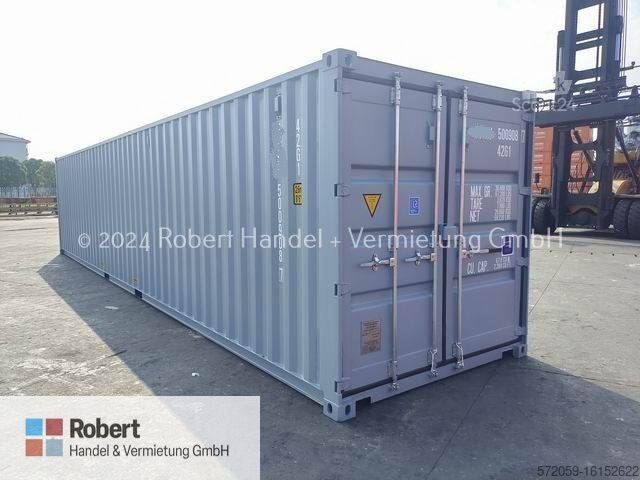
The Ultimate Guide to Small Shipping Containers: What You Need to Know Before You Buy
Whether you’re a budding entrepreneur looking for a compact, mobile storefront, a DIY‑enthusiast dreaming of a tiny‑home workshop, or simply a homeowner who wants extra storage that won’t dominate the driveway, small shipping containers have become the go‑to solution for a surprising range of projects.
In this post you’ll discover:
- The most common sizes and specifications of small containers
- How to evaluate quality, price, and delivery options
- Creative ways to modify a container for your specific needs
- A step‑by‑step checklist to help you avoid costly mistakes
- Answers to the most frequently asked questions
All of this is presented in a clear, second‑person voice so you can see exactly how each decision point applies to your situation.
1. Why Choose a Small Shipping Container?
| Benefit | What It Means for You | Example Application |
|---|---|---|
| Portability | You can relocate the unit with a standard flat‑bed truck. | A pop‑up coffee shop that moves between festivals. |
| Durability | Made from high‑grade Corten steel, resistant to rust, dents, and weather. | A secure, weather‑proof storage space for tools. |
| Stackability | Units can be stacked vertically, saving footprint. | A two‑level garden office without expanding the lot. |
| Cost‑Effectiveness | New containers start around $2,500–$4,500; used units are cheaper. | A low‑budget starter studio for a photographer. |
| Modular Flexibility | Connect multiple containers for larger spaces. | A multi‑room tiny home built from three 10‑ft units. |
If you’re looking for a structure that’s quick to acquire, easy to transport, and built to last, a small shipping container ticks all the boxes.
2. Standard Sizes & Key Specs
Most “small” containers fall into two categories: 10‑foot and 20‑foot units. While both are technically “small,” the 10‑ft version is truly compact, whereas the 20‑ft container offers a bit more interior room while still being manageable for most loading docks.
| Size | External Dimensions (L × W × H) | Internal Dimensions (L × W × H) | Door Width | Approx. Interior Volume |
|---|---|---|---|---|
| 10‑ft | 10′ × 8′ × 8′ 9″ (3.05 × 2.44 × 2.69 m) | 9′ 4″ × 7′ 8″ × 7′ 10″ (2.84 × 2.34 × 2.39 m) | 7′ 8″ (2.34 m) | ~530 ft³ (15 m³) |
| 20‑ft | 20′ × 8′ × 8′ 9″ (6.10 × 2.44 × 2.69 m) | 19′ 4″ × 7′ 8″ × 7′ 10″ (5.90 × 2.34 × 2.39 m) | 7′ 8″ (2.34 m) | ~1,170 ft³ (33 m³) |
Pro tip: If ceiling height is a priority (e.g., for standing workspaces), look for “high‑cube” variants. These are a few inches taller (up to 9′ 6″) and add valuable vertical space without increasing the footprint.
3. New vs. Used: What’s the Real Difference?
| Factor | New Container | Used Container |
|---|---|---|
| Price | $2,500‑$4,500 (10‑ft) $4,500‑$7,500 (20‑ft) | $1,500‑$3,000 (10‑ft) $2,500‑$5,000 (20‑ft) |
| Condition | No dents, scratches, or rust; freshly painted. | May have dents, corrosion, or previous modifications. |
| Warranty | Usually 1‑year structural warranty. | No warranty, unless bought from a certified dealer. |
| Delivery Time | 2‑4 weeks (factory to port). | 1‑2 weeks (local inventory). |
| Customization | Easier to start with a clean slate. | May need extra prep work (e.g., sandblasting). |
If your budget is tight but you have the time and tools for a little restoration, a used container can be a smart choice. However, for applications where food safety, climate control, or aesthetic finish matter (e.g., a boutique café), a new container is often worth the premium.
4. How to Choose the Right Container for Your Project
Below is a quick decision‑tree list that walks you through the most important considerations. Tick the items that apply to you, then read the recommendation that follows.
- Purpose – What will you store or produce inside?
- Footprint – How much ground space do you have?
- Ceiling Height – Do you need to stand upright?
- Insulation – Will you be heating/cooling?
- Mobility – Will the unit be moved frequently?
- Budget – What’s your max spend (including modifications)?
- Regulations – Do local building codes require permits?
Recommendations
| Scenario | Recommended Size | Suggested Features |
|---|---|---|
| Pop‑up retail kiosk (≤ 1 person) | 10‑ft | High‑cube, insulated panels, sliding glass door |
| Home workshop (2‑3 people) | 20‑ft | Standard height, interior lighting, reinforced floor |
| Secure garden shed | 10‑ft | Heavy‑duty lock, ventilation grilles, simple paint |
| Tiny home starter (single occupant) | 20‑ft (or two 10‑ft stacked) | High‑cube, plumbing, solar panel roof mount |
| Portable server rack | 10‑ft | Rack‑mount brackets, EMI shielding, climate control |
5. Modifying a Small Shipping Container
Most owners customize their containers to fit specific needs. Below is a step‑by‑step checklist to keep your project on track.
| Phase | Action | Tips & Tools |
|---|---|---|
| Planning | Sketch a floor plan; decide door/window locations. | Use free software (SketchUp, Floorplanner). |
| Structural Prep | Inspect for rust; sandblast or weld repairs. | Wear respirator; use a portable sandblaster. |
| Insulation | Choose between spray foam, rigid board, or blanket. | For climate‑sensitive spaces, spray foam offers best R‑value. |
| Electrical | Install conduit, outlets, and lighting. | Hire a licensed electrician for code compliance. |
| Plumbing (optional) | Fit PVC or PEX lines; add a small water tank. | Consider a composting toilet for off‑grid use. |
| Interior Finishing | Attach wall panels, flooring, and ceiling tiles. | Vinyl plank flooring is cheap and water‑resistant. |
| Exterior Upgrades | Paint with marine‑grade coating; add roof overhang. | Light colors reflect heat; a small eave reduces rain runoff. |
| Security | Install a deadbolt, security camera, and alarm system. | Reinforce door frame with steel plates. |
| Final Inspection | Verify ventilation, fire safety, and code compliance. | Use a checklist before signing off. |
Pro tip: Keep an eye on the container’s load rating (typically 2,300 kg for a 20‑ft unit). Over‑loading the floor can cause deformation, especially after adding heavy equipment like a fridge or server racks.
6. Cost Breakdown – What to Expect
Below is a sample budget for converting a 10‑ft container into a small office. Prices are averages for the U.S. market (2025) and exclude taxes or shipping.
| Item | Estimated Cost (USD) |
|---|---|
| Base container (new) | $2,800 |
| Delivery (up to 50 mi) | $400 |
| Sandblasting & repaint | $600 |
| Insulation (spray foam, 2‑in) | $900 |
| Interior wall panels | $500 |
| Flooring (vinyl plank) | $300 |
| Electrical wiring & fixtures | $800 |
| HVAC mini‑split system | $1,200 |
| Door upgrade (steel, insulated) | $350 |
| Security lock & camera | $250 |
| Total | $7,900 |
If you opt for a used container, you could shave $1,500–$2,000 off the total, but be prepared for extra labor on rust removal and possible structural repairs.
7. Legal Considerations – Permits & Zoning
Even though a shipping container looks like a simple box, it is often classified as a temporary structure or accessory building in many municipalities. Follow these steps:
- Check Zoning – Verify if the property’s zoning district permits accessory structures.
- Apply for a Building Permit – Most cities require a permit if you are adding insulation, electrical, or plumbing.
- Meet Fire Codes – Install fire‑rated doors or a small sprinkler system if you’ll be using the space for public occupancy.
- HOA Approval – If you live in a community with a homeowners association, get written consent before placement.
Failure to secure the proper permits can result in fines, forced removal, or costly retrofits later on.
8. Frequently Asked Questions (FAQ)
Q1: How long can a small shipping container last?
A: With proper maintenance (periodic repainting, rust inspection, and roof upkeep), a steel container can exceed 30‑40 years.
Q2: Can I stack a 10‑ft container on a 20‑ft container?
A: Yes, as long as the foundation and supporting structure are engineered for the combined load. Many owners use steel columns or concrete pads to distribute weight.
Q3: What’s the best insulation for a hot climate?
A: Closed‑cell spray foam provides the highest R‑value per inch and also acts as a vapor barrier, reducing heat gain. Pair it with reflective roof coating for maximum efficiency.
Q4: Do I need a permit to use a container as a backyard shed?
A: In most jurisdictions, a simple, non‑habitable shed under a certain size (often 120 sq ft) does not require a permit. However, always verify with your local building department.
Q5: How much does it cost to convert a container into a tiny home?
A: A full conversion can range from $30,000 (basic DIY) to $100,000+ (high‑end finishes, utilities, and professional labor). The price scales with size, insulation, and interior amenities.
Q6: Are there environmentally friendly alternatives to steel containers?
A: Some companies offer recycled aluminum containers or bio‑based composite panels for interior finishes. While the steel shell remains the most common, you can reduce the carbon footprint by selecting eco‑friendly insulation and solar power options.
Q7: Can I rent a container for a short‑term event?
A: Absolutely. Many container rental companies provide turnkey solutions with interior fittings, climate control, and power hookups for concerts, festivals, or pop‑up markets.
Q8: How do I protect the container’s roof from water pooling?
A: Install a slight roof pitch (2–3 %) using tapered metal sheets, and add drip edges or a small overhang to direct runoff away from the walls.
9. Final Thoughts – Your Next Steps
You now have a comprehensive overview of small shipping containers: their sizes, costs, customization possibilities, and the practical steps required to turn a steel box into a functional space that serves your goals.
Take action today:
- Define your purpose – Write a short paragraph describing how you’ll use the container.
- Measure your site – Confirm you have enough clearance for the container’s dimensions and any required setbacks.
- Request quotes – Contact at least three suppliers (new, used, and rental) to compare price, delivery, and warranty.
- Sketch a layout – Use a free online planner to visualize doors, windows, and interior zones.
- Check permits – Schedule a quick call with your local building department to confirm requirements.
Remember, the key to a successful container project is planning ahead, budgeting realistically, and partnering with reputable professionals for any electrical, plumbing, or structural work. With the right approach, a small shipping container can become a versatile, cost‑effective asset that adds both functionality and a touch of industrial chic to your property.
Happy building!