Storage Container Homes: The Complete Guide for the Modern DIY Builder
If you’re looking for a fast‑track, eco‑friendly way to own a stylish dwelling, you’ve probably heard the buzz about storage container homes. In this post you’ll discover exactly what a container house is, why it might be the perfect fit for your lifestyle, how to plan and build one, and the most common questions newcomers ask. All the information is laid out in an easy‑to‑read format, with handy tables, checklists, and FAQs so you can move from curiosity to construction with confidence.
1. What Is a Storage Container Home?
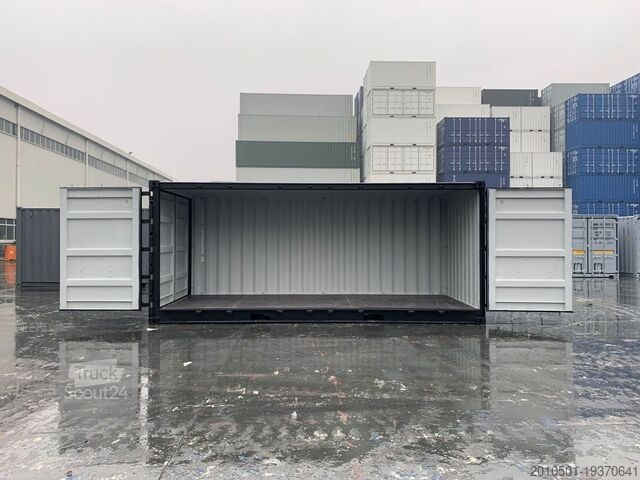
A storage container home (sometimes called a shipping‑container house) is a residential structure built from one or more steel intermodal containers that were originally designed to carry cargo on ships, trucks, and trains. These containers are:
| Feature | Typical Specification | Why It Matters for a Home |
|---|---|---|
| Dimensions | 20‑ft (6.1 m) or 40‑ft (12.2 m) lengths; 8‑ft (2.44 m) wide; 8.5‑ft (2.59 m) high (standard) or 9.5‑ft (2.9 m) high (high‑cube) | Determines floor area and ceiling height. High‑cube gives a more spacious feel. |
| Material | Corten steel (weather‑resistant) | Strong, fire‑retardant, and recyclable. |
| Weight | ~2,200 kg (20‑ft) or ~3,800 kg (40‑ft) empty | Impacts foundation design and transportation costs. |
| Load Capacity | Up to 30 tons (when stacked) | Guarantees structural integrity for additional interior finishes. |
Because the containers are already engineered to endure harsh marine environments, they provide a ready‑made “shell” that can be insulated, cut, and fitted with windows, doors, and interior walls.
2. Why Choose a Container Home?
2.1 Speed of Construction
- Turnkey kits can be delivered on a trailer and placed on a foundation in a single day.
- Interior build‑out (plumbing, wiring, finishes) typically takes 4–8 weeks, far quicker than a conventional stick‑built house.
2.2 Sustainability
| Benefit | Explanation |
|---|---|
| Upcycling | Repurposes a product that would otherwise sit idle in a yard. |
| Reduced Waste | Steel is 100 % recyclable; no lumber off‑cuts. |
| Lower Carbon Footprint | Manufacturing of a container uses less energy than framing a new house of comparable size. |
| Thermal Mass | Steel stores heat, which can be harnessed with proper insulation. |
2.3 Affordability
A basic 40‑ft container can be bought for $2,500–$4,500 (used) or $5,000–$8,000 (new). When you add foundation, insulation, and interior finishes, the total cost per square foot often lands $100–$150—significantly below the $200–$300 average for traditional construction in many markets.
2.4 Design Flexibility
- Stacking: Combine containers vertically for multi‑level homes.
- Side‑by‑Side: Create wide floor plans by joining two or more containers.
- Cut‑outs: Carve out large windows, doors, or even indoor courtyards.
3. Planning Your Container Home: A Step‑by‑Step Checklist
| Step | Action | Tips & Resources |
|---|---|---|
| 1️⃣ Site Selection | Choose a plot with good drainage, access for a delivery truck, and local zoning that permits container structures. | Contact your city’s planning department; use services like ZoningCheck for quick verification. |
| 2️⃣ Budget & Financing | Draft a realistic budget covering container purchase, foundation, insulation, utilities, permits, and interior finishes. | Many banks view container homes as “modular” and will finance them similarly to manufactured homes. |
| 3️⃣ Design Development | Sketch floor plans, decide on the number of containers, and decide where to place openings. | Free tools: SketchUp, Sweet Home 3D, or ContainerHome Studio (a specialized app). |
| 4️⃣ Permits & Codes | Submit plans for building permits, ensure compliance with fire safety, energy codes, and structural requirements. | Hire a local architect or engineer familiar with container projects to avoid costly revisions. |
| 5️⃣ Foundation | Choose between a concrete slab, pier & beam, or a pre‑cast foundation. | For lightweight single‑story homes, pier & beam can be more economical. |
| 6️⃣ Container Acquisition | Purchase new, used, or “one‑way” containers (single‑trip containers are in the best condition). | Reputable suppliers: BoxHub, Triton Container, ModuSpace. |
| 7️⃣ Modifications | Cut openings, add reinforcement, and apply rust‑proof coating. | Use a plasma cutter for clean edges; hire a welder for structural reinforcements. |
| 8️⃣ Insulation & Weatherproofing | Choose between spray‑foam, rigid foam board, or blanket insulation, and seal all seams. | Spray‑foam offers the highest R‑value and also fills gaps to prevent condensation. |
| 9️⃣ Utilities | Install electrical, plumbing, and HVAC. Consider a mini‑split system for heating/cooling. | Prefabricated “container‑ready” utility kits can speed up this stage. |
| 🔟 Interior Finish | Add drywall, flooring, cabinetry, and fixtures. | Opt for lightweight materials to keep the load on the steel low. |
| 1️⃣1️⃣ Final Inspection | Schedule a walkthrough with the building department to obtain a certificate of occupancy. | Keep a detailed log of all modifications for future resale value. |
4. Cost Breakdown: What to Expect
Below is a sample budget for a 40‑ft (320 sq ft) container home with two bedrooms, a small kitchen, and a bathroom. Prices are averages for the United States in 2024 and will vary by region.
| Category | Estimated Cost (USD) | % of Total |
|---|---|---|
| Container (new, high‑cube) | $6,500 | 16% |
| Foundation (pier & beam) | $4,200 | 10% |
| Structural Modifications (cut‑outs, welding) | $5,800 | 14% |
| Insulation & Vapor Barrier | $3,500 | 9% |
| Electrical & Lighting | $4,200 | 10% |
| Plumbing & Fixtures | $4,100 | 10% |
| HVAC (mini‑split system) | $2,800 | 7% |
| Interior Finishes (drywall, flooring, cabinets) | $8,000 | 20% |
| Permits & Professional Fees | $2,500 | 6% |
| Contingency (10%) | $4,000 | 8% |
| Total | $40,600 | 100% |
Key take‑away: Insulation and interior finishes typically consume the largest share of the budget. Investing in high‑quality insulation will pay off in energy savings and comfort, while thoughtful interior design adds real market value.
5. Common Challenges & How to Overcome Them
| Challenge | Why It Happens | Solution |
|---|---|---|
| Condensation on steel walls | Steel conducts temperature; without proper vapor barriers, moisture can collect inside. | Install a continuous vapor barrier (e.g., 6 mil polyethylene) before insulation, and use breathable interior finishes. |
| Corrosion at cut‑out edges | Cutting creates exposed steel that can rust. | Apply a rust‑inhibiting primer and a marine‑grade paint to all cut surfaces. |
| Limited headroom | Standard containers have a 8‑ft ceiling, which can feel low. | Choose a high‑cube container (9.5 ft) or stack containers to create loft spaces. |
| Zoning restrictions | Some municipalities still treat containers as “temporary” structures. | Provide engineering reports demonstrating that the structure meets or exceeds code requirements. |
| Transport logistics | Oversized loads may need special permits. | Work with a logistics company that specializes in container delivery; plan the delivery route ahead of time. |
6. Real‑World Inspiration: 5 Innovative Container Home Designs
- The “Tiny Box” – A single 40‑ft high‑cube container turned into a compact studio with a fold‑out Murphy bed, solar roof panels, and a rooftop deck.
- The “Stacked Villa” – Two containers stacked vertically, each with a living area on the lower level and a bedroom loft above. A central stairwell creates an airy interior.
- The “L‑Shaped Family Home” – Four containers arranged in an L formation, providing a spacious open‑plan kitchen/dining area and three private bedrooms.
- The “Eco‑Pod” – A 20‑ft container refurbished with reclaimed wood interiors, a green roof, and a rainwater harvesting system for irrigation.
- The “Industrial Loft” – Two side‑by‑side containers with exposed steel beams, large factory‑style windows, and a mezzanine office space.
These examples show how diverse a container home can be—whether you crave minimalism, family space, or a bold industrial aesthetic.
7. Frequently Asked Questions (FAQ)
Q1: Do container homes qualify for mortgage financing?
Yes. Most lenders treat them as “manufactured” or “modular” homes, especially if the structure meets local building codes and you obtain a certificate of occupancy.
Q2: How long does a container home last?
With proper maintenance—especially rust protection and roof upkeep—steel containers can last 50+ years. The lifespan is comparable to traditional homes when built to code.
Q3: Are container homes energy‑efficient?
Energy efficiency depends largely on insulation and windows. Using spray‑foam insulation (R‑30+), double‑glazed windows, and a high‑efficiency HVAC system can bring the home’s ENERGY STAR rating on par with conventional houses.
Q4: Can I add a traditional wood frame to a container home?
You can, but it adds weight and complexity. Most owners keep the interior lightweight (drywall, plywood, or metal studs) to preserve the container’s structural integrity.
Q5: What about resale value?
Resale value hinges on location, design quality, and local market perception. In areas where tiny‑home and sustainable living trends are strong, container homes have appreciated 5‑10 % faster than comparable stick‑built homes over a five‑year period.
Q6: Do I need a structural engineer?
If you plan to cut large openings, stack containers, or modify the frame, a licensed structural engineer should review your plans. Even for simple single‑container builds, an engineer can certify that the modifications meet code.
Q7: How far can I customize the exterior?
Virtually any finish is possible—stucco, wood cladding, metal panels, or even living walls. Just ensure the exterior system remains breathable to prevent moisture trapping.
8. Ready to Take the Next Step?
Building a storage container home is more than a cost‑saving measure; it’s an opportunity to reimagine how you live, work, and interact with the environment. By following the checklist above, budgeting wisely, and addressing the common challenges head‑on, you’ll be well on your way to turning a steel box into a warm, functional haven.
Take action today:
- Scout a plot that meets zoning and access requirements.
- Contact a container supplier and request quotes for both new and one‑way units.
- Draft a rough layout using a free 3‑D design tool.
- Schedule a meeting with a local architect or engineer to confirm feasibility.
Your future home may be just a few containers away— and the journey from “idea” to “address” has never been more exciting.
Happy building!