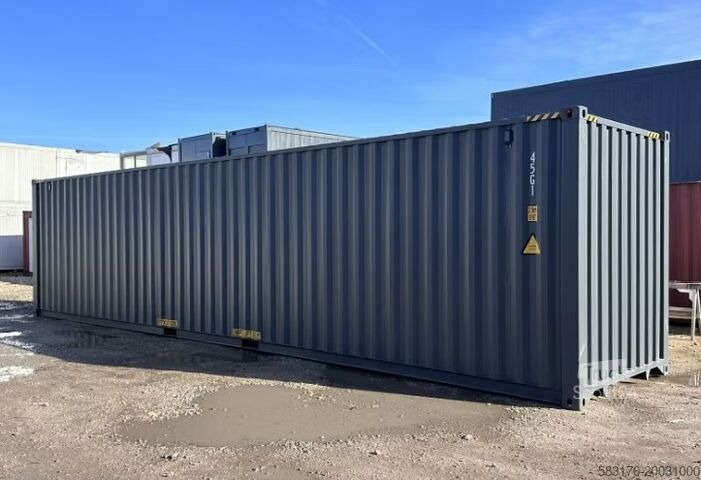
Finding the Perfect Storage Containers for Rent Near You – A Complete Guide
Whether you’re downsizing, moving across town, or simply need a safe place to stash seasonal gear, the right storage container can make life a lot easier. But with dozens of facilities, a maze of size options, and a handful of hidden fees, the process can feel overwhelming. This guide walks you through everything you need to know—step‑by‑step, in plain language, and with handy tables, lists, and a FAQ at the end—so you can confidently choose a storage container that fits your budget, location, and security needs.
1. Why Choose a Storage Container Over a Traditional Self‑Storage Unit?
| Feature | Storage Container | Traditional Self‑Storage Unit |
|---|---|---|
| Mobility | Loaded onto a truck and delivered to any address (your driveway, a construction site, etc.) | Fixed to a building; you must drive to the facility |
| Access Hours | 24/7 access (you own the key) | Often limited to facility hours (6–8 am – 10 pm) |
| Security | Locked steel doors, optional GPS tracking, tamper‑proof seals | CCTV, gated access, on‑site staff |
| Cost Structure | Monthly rental + delivery/pick‑up fees | Monthly rent; sometimes no delivery cost |
| Ideal For | On‑site storage during renovations, remote job sites, temporary overflow | Long‑term household or business storage |
If you need flexibility—say you’re renovating a kitchen and want containers parked right on the worksite—a portable storage container is usually the smarter choice. If you simply need a place to keep furniture while you travel, a traditional self‑storage unit may still be a solid option. The following sections focus on the container model because that’s what most people search for when they type “storage containers for rent near me”.
2. How to Identify the Right Size
Storage containers come in standard dimensions, but the exact interior space can vary slightly between manufacturers. Below is a quick‑reference table showing the most common sizes and the typical items they can hold.
| Container Size | Interior Dimensions (ft) | Approx. Cubic Feet | Ideal Contents |
|---|---|---|---|
| 5’ × 5’ × 8’ | 4.5 × 4.5 × 7.5 | 153 | Small furniture (one‑person bedroom set), boxes, tools |
| 5’ × 10’ × 8’ | 4.5 × 9.5 × 7.5 | 307 | Two‑person bedroom set, lawn equipment, seasonal décor |
| 8’ × 10’ × 8’ | 7.5 × 9.5 × 7.5 | 538 | Full living‑room set, appliances, garage‑sized tools |
| 8’ × 12’ × 8’ | 7.5 × 11.5 × 7.5 | 658 | Entire house contents, multiple vehicles (motorcycle + small car) |
| 10’ × 20’ × 8’ | 9.5 × 19.5 × 7.5 | 1389 | Large commercial inventory, multiple vehicles, extensive remodel supplies |
Quick sizing tip:
- Make a list of everything you plan to store.
- Measure the largest items (e.g., a sofa, refrigerator).
- Add a 20 % buffer for boxes and awkward shapes.
- Match your total cubic footage with the table above.
If you’re still unsure, most container rental companies will gladly help you estimate size based on a photo or a simple description.
3. What to Look for When Choosing a Local Provider
- Proximity & Delivery Zones – Most firms charge extra for distances beyond a set radius (often 30 mi). Pick a company that lists “service areas” on their website and confirms that your address falls inside.
- Transparent Pricing – Look for a clear breakdown: monthly rent, delivery fee, pick‑up fee, any security deposit, and optional add‑ons (climate control, extra locks). Beware of “low‑ball” monthly rates that later hide a steep delivery charge.
- Insurance Options – While many providers offer basic coverage, you may need higher limits if you store valuable equipment. Verify whether you can use your homeowner’s or renters’ insurance instead of buying a separate policy.
- Security Features – Steel doors, tamper‑proof seals, GPS tracking, and a reputable lock manufacturer are must‑haves. If the container will sit unattended for weeks, a GPS-enabled unit gives you peace of mind.
- Flexibility of Rental Terms – Some firms require a 3‑month minimum, while others allow month‑to‑month or even weekly rentals. Read the contract carefully for early‑termination penalties.
- Customer Reviews & Reputation – Check Google, Yelp, and the Better Business Bureau. Look for consistent praise about punctual delivery, professional staff, and responsive customer service.
Here’s a concise checklist you can copy‑paste into a spreadsheet:
| Provider | Delivery Cost (≤ 30 mi) | Monthly Rate (5 × 5) | GPS Tracking? | Minimum Term | Insurance Options | Avg. Rating (5‑star) |
|---|---|---|---|---|---|---|
| ContainerCo | $75 | $89 | Yes | 1 month | In‑house, third‑party | 4.6 |
| Rent-a-Box | $50 | $95 | No | 3 months | Third‑party only | 4.1 |
| MobileStorage | $0 (promo) | $100 | Yes | 2 months | In‑house, optional | 4.8 |
| SecureContainers | $80 | $85 | No | 1 month | In‑house, discount for 6‑mo | 4.3 |
(Numbers are illustrative; always verify with the provider.)
4. Step‑by‑Step: Renting a Container Near You
| Step | Action | Why It Matters |
|---|---|---|
| 1. Define Your Needs | List items, calculate volume, choose a size. | Prevents overspending on a container that’s too big or too small. |
| 2. Search Locally | Type “storage containers for rent near me” + your city/zip. | Gives you a shortlist of providers that actually service your address. |
| 3. Compare Quotes | Use a table like the one above to line‑up price, fees, and features. | Makes the decision clear and eliminates hidden costs. |
| 4. Check Availability | Call or email to confirm that the container size you want is in stock for your desired delivery date. | Avoids last‑minute scrambling if the popular size is booked out. |
| 5. Review the Contract | Look for rental term, late‑payment penalties, insurance clauses, and pick‑up notice period. | Guarantees you understand your obligations before signing. |
| 6. Schedule Delivery | Provide a precise address, preferred time window, and any access instructions (gate codes, driveway length). | Ensures the truck can safely unload the container at your location. |
| 7. Pack Efficiently | Use uniform boxes, label them, and stack heavier items at the bottom. | Maximizes space and makes later retrieval easier. |
| 8. Secure the Container | Apply the lock, seal the door with a tamper‑proof seal, and record the GPS ID (if applicable). | Keeps your belongings safe throughout the rental period. |
| 9. Monitor & Maintain | Periodically check for moisture, pests, or any damage. | Early detection prevents loss or additional fees. |
| 10. Arrange Pick‑Up | Give the provider the required notice (usually 24–48 hrs) and confirm the removal date. | Guarantees a smooth exit and avoids late‑pick‑up charges. |
5. Tips for Maximizing Space & Protecting Your Belongings
- Create a “road map” inside the container. Place a small piece of cardboard on the floor with arrows showing where each category of items (e.g., “kitchen”, “garden tools”) is stored. It reduces the time spent digging later.
- Use vertical space. Stack sturdy boxes on top of each other and place lighter items on the very top.
- Disassemble large furniture. Removing legs from tables or taking apart bed frames can free up to 30 % of the interior volume.
- Wrap delicate items. Bubble wrap, moving blankets, or even old towels protect against scratches and temperature fluctuations.
- Consider climate‑controlled containers if you’re storing electronics, artwork, or wood furniture for longer than three months.
- Label everything clearly. A simple “Living‑Room‑Box‑1” label on each side of a box saves hours during retrieval.
6. Common Misconceptions About Renting Containers
| Myth | Reality |
|---|---|
| “All containers are the same, so price doesn’t matter.” | Quality varies. Thicker steel, better seals, and GPS tracking increase safety and sometimes cost, but are worth the investment for valuable items. |
| “You can leave a container on the street indefinitely.” | Most municipalities require permits for on‑street storage beyond 24 hours, and rental agreements often include a maximum on‑site duration. |
| “I can get a discount if I pay annually.” | Some companies offer discounts for longer terms, but many still bill monthly. Always ask for bulk‑term pricing before committing. |
| “My homeowner’s insurance covers the container automatically.” | Usually, you must add a rider or provide proof of coverage. Verify with your insurer. |
| “Delivery fees are always non‑negotiable.” | Promotional offers (e.g., “free delivery for first month”) or bundling multiple containers can reduce or waive fees. |
7. Frequently Asked Questions (FAQ)
Q1: How far can a storage container be delivered for free?
Answer: Most providers offer free delivery within a 20‑30 mile radius of their depot. Beyond that, expect a flat fee ranging from $50 to $150, depending on distance and container size.
Q2: Do I need a special permit to park a container on my property?
Answer: Generally, no permit is needed if the container sits on private property (your driveway or backyard). However, if you intend to place it on a public street or sidewalk, you must obtain a temporary parking permit from the city or county.
Q3: Can I lock the container myself?
Answer: Yes. The container arrives with a high‑security lock (often a padlock or a built‑in cam lock). You can replace it with a personal lock, but make sure it meets the provider’s specifications to avoid voiding insurance.
Q4: What happens if the container gets damaged during delivery?
Answer: Reputable companies conduct a pre‑delivery inspection and document any existing damage. If damage occurs en‑route, they typically cover repairs or replace the container at no extra cost. Keep the delivery receipt and any photos of the container upon arrival.
Q5: Is climate control available for portable containers?
Answer: Yes, some vendors offer insulated containers with optional temperature regulation (heating or cooling). These are priced higher—often $30‑$50 extra per month—but are essential for electronics, artwork, or any climate‑sensitive items.
Q6: How soon can I have my container back after I request pick‑up?
Answer: Standard notice is 24–48 hours, after which the provider schedules a truck. Some companies can retrieve the container within the same day if you’re in a high‑traffic area and have a clear access route.
Q7: What if I need more than one container?
Answer: Most firms provide discounts for multiple containers, especially if they’re the same size. Ask about “fleet” rates or bulk‑rental packages.
Q8: Are there any hidden fees I should watch for?
Answer: Common extra charges include:
- Late pick‑up fee (if you exceed the agreed removal date)
- Cleaning surcharge (if the container is left dirty)
- Overweight penalty (if the loaded container exceeds the truck’s weight limit)
Always read the fine print and ask the provider to list any potential surcharges up front.
8. Making the Final Decision
After you’ve gathered quotes, compared features, and weighed the pros and cons, it’s time to pick the container that feels right for you. Here’s a quick decision‑making flowchart you can follow:
- Budget ≤ $100/month? → Look for basic steel containers without GPS, but with a solid lock.
- Need temperature control? → Choose a provider that lists “climate‑controlled” as an option.
- Planning to keep it on‑site for > 30 days? → Verify local permit rules and select a provider offering free on‑site storage for the first month.
- Storing high‑value items? → Opt for GPS tracking, thicker steel, and a higher insurance limit.
- Multiple containers? → Ask for a “multi‑unit discount.”
When you’ve ticked all the boxes, schedule the delivery, and you’re ready to start loading.
9. Final Thoughts
Finding the perfect storage container for rent near you isn’t just about the lowest price tag. It’s about matching the container’s size, security, and service features to the specific demands of your project or lifestyle. By using the tables, lists, and checklists in this guide, you can cut through the noise, avoid hidden fees, and secure a storage solution that protects your belongings while keeping your budget intact.
Ready to get started? Pull up a map of your neighborhood, type “storage containers for rent near me” into your favorite search engine, and start filling in the comparison table above. Within a few clicks, you’ll have a shortlist of local providers—plus a clear picture of which one offers the best blend of price, security, and convenience for you.
Happy storing!