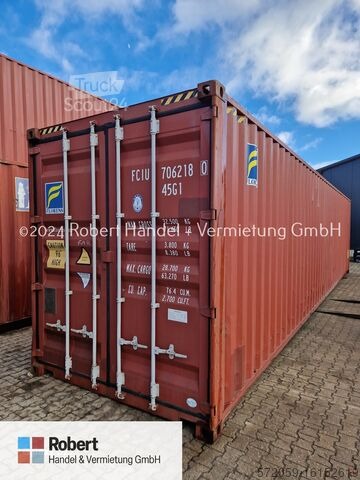
Shipping Crates for Sale Near Me: Your Complete Guide to Finding the Right Solution
When you’re preparing to move, ship inventory, or store heavy equipment, the right shipping crate can make the difference between a smooth operation and a costly headache. If you’ve ever typed “shipping crates for sale near me” into a search engine, you know there’s a flood of options—local wholesalers, online marketplaces, and niche specialty suppliers. This post walks you through everything you need to know to turn that search into a confident purchase, from the types of crates available to the best ways to evaluate price, quality, and convenience.
1. Why Shipping Crates Matter
- Protection – A sturdy crate shields fragile or heavy items from impacts, moisture, and vibration during transit.
- Standardization – Most carriers (UPS, FedEx, ocean freight lines) have size and weight limits; using the right crate ensures compliance and avoids surcharges.
- Efficiency – Properly sized crates simplify loading, stacking, and inventory management, saving you time and labor.
If any of these benefits sound familiar, you’re already on the right track to choosing the perfect crate for your needs.
2. Common Types of Shipping Crates
| Crate Type | Material | Typical Sizes (inches) | Best For | Average Price Range* |
|---|---|---|---|---|
| Wooden Pallet Crate | Soft‑wood (pine) or hardwood (oak) | 24×24×24, 48×40×48, 48×48×72 | Heavy machinery, bulk goods | $45‑$150 per crate |
| Plastic Crate | High‑density polyethylene (HDPE) | 12×12×12, 18×18×24, 24×24×36 | Food‑grade, chemicals, reusable logistics | $30‑$120 per crate |
| Metal Shipping Box | Galvanized steel or aluminum | 24×24×24, 36×36×48 | High‑security items, firearms, electronics | $80‑$250 per crate |
| Custom‑Built Crate | Any combination (wood + metal, inserts) | Tailored to item dimensions | Oversized, irregular‑shaped, delicate equipment | $150‑$600+ (depends on specs) |
| Collapsible/Flat‑Pack Crate | Corrugated cardboard or lightweight wood | 12×12×12, 24×24×24 (foldable) | Temporary storage, low‑value items | $10‑$45 per crate |
*Prices are approximate and can vary based on regional suppliers, bulk discounts, and optional features (e.g., lockable lids, foam inserts).
3. How to Locate Shipping Crates Near You
- Google “Shipping Crates for Sale Near Me” – Use location‑specific keywords (e.g., “shipping crates Sacramento”) to surface local distributors.
- Check Business Directories – Yellow Pages, Yelp, and the local Chamber of Commerce often list hardware stores, packaging suppliers, and industrial warehouses.
- Visit Wholesale Clubs – Costco, Sam’s Club, and local wholesale lumber yards sometimes keep a limited inventory of standard wooden crates.
- Explore Online Marketplaces – Sites like Uline, Grainger, eBay, and Amazon Business let you filter results by shipping address, giving you the option to pick up locally or have the crate delivered.
- Ask Your Freight Forwarder – Many freight companies partner with crate manufacturers and can recommend a nearby source, sometimes even offering on‑site crate fabrication.
Tip: When you find a promising vendor, call ahead and ask about bulk pricing, delivery options, and whether they offer crate inspection services.
4. Key Factors to Evaluate Before Buying
| Factor | What to Look For | Why It Matters |
|---|---|---|
| Weight Capacity | Verify the crate’s load rating (e.g., 1,000 lb). | Overloading can crush the crate and damage your cargo. |
| Dimensions & Tolerances | Measure your item and add at least 1‑2 inches for padding. | Prevents tight fits that cause stress points. |
| Material Durability | Check for water resistance, UV protection, or anti‑corrosion coating. | Extends crate life, especially for outdoor or maritime shipping. |
| Compliance | Look for ISO, ASTM, or DOT certifications. | Guarantees acceptance by carriers and avoids customs delays. |
| Reusability | Choose crates with lockable lids, reinforced corners, and modular design. | Reduces long‑term costs and supports sustainability goals. |
| Price per Unit vs. Bulk Discounts | Compare single‑crate price to tiered pricing (e.g., 10‑unit, 25‑unit). | Bulk purchases often save 15‑30 % per crate. |
| Return Policy & Warranty | Ask about defects coverage and replacement terms. | Protects you from receiving damaged or sub‑standard crates. |
5. New vs. Used Crates – Which Is Right for You?
| Aspect | New Crates | Used Crates |
|---|---|---|
| Cost | Higher upfront cost; predictable pricing. | Lower price; potential hidden repair costs. |
| Condition | Pristine, with no prior damage. | May have dents, water stains, or weakened joints. |
| Customization | Easy to order with specific dimensions, inserts, or branding. | Limited to existing sizes; modifications may require extra work. |
| Environmental Impact | Depends on material; can be recyclable. | Reuses existing resources—great for sustainability. |
| Availability | Often stocked in standard sizes; lead times 1‑5 days. | May need to hunt for the right size; sourcing time varies. |
| Best For | High‑value shipments, strict compliance, brand‑image concerns. | Low‑value, bulk items, short‑term storage, or budget‑tight projects. |
Bottom line: If you’re shipping expensive equipment or need guaranteed compliance, invest in new, certified crates. For routine, low‑risk moves, used crates from reputable salvage yards or local classifieds can be a savvy choice.
6. Practical Checklist: Inspecting a Crate Before Purchase
- Visual Inspection – Look for cracks, splinters, rust, or water damage.
- Structural Test – Gently press on corners and sides; they should feel solid, not flexing.
- Fit Verification – Place a cardboard template of your item inside; ensure clearance.
- Hardware Check – Examine hinges, latches, and screws for corrosion or missing parts.
- Labeling & Markings – Confirm weight rating and any compliance stamps are legible.
- Cleanliness – Especially for food‑grade or pharma shipments, the interior must be free of debris.
If any red flags appear, negotiate a discount or move on to a different supplier.
7. How to Keep Your Crates in Top Condition
- Seal with Tarps or Shrink‑Wrap – Protect against moisture during storage.
- Rotate Stock – Periodically move crates to avoid prolonged pressure on one side.
- Apply Protective Coatings – For wooden crates, a light coat of sealant prolongs life.
- Repair Small Damage Promptly – Use wood glue, metal epoxy, or replacement hinges before the damage spreads.
Good maintenance reduces the need for frequent replacements, saving you money over the long haul.
8. Frequently Asked Questions (FAQ)
| Question | Answer |
|---|---|
| Q1: How many crates should I order for a one‑time move? | Estimate based on total volume. A common rule: 1 crate per 30‑40 lb of packed weight, or per 2‑3 ft³ of volume. Order a few extra for unexpected items or damage. |
| Q2: Can I get custom‑cut crates from a local lumber yard? | Absolutely. Many lumber yards offer on‑site cutting for a modest fee. Bring precise dimensions and a sketch to ensure accuracy. |
| Q3: Do I need a special permit to transport wooden crates across state lines? | Generally, no, unless the wood is untreated and subject to ISPM 15 regulations for international shipments. For domestic moves, standard crates are fine. |
| Q4: Are plastic crates better for shipping outdoors? | Plastic crates resist moisture, rot, and insects, making them ideal for outdoor storage or marine transport. However, they may have lower weight capacities than heavy‑duty wood. |
| Q5: What’s the typical lead time for bulk crate orders? | For standard sizes, 1‑3 business days for in‑stock inventory. Custom orders can take 7‑14 days, depending on complexity. |
| Q6: How do I calculate the cost per crate vs. shipping cost? | Add the crate price, any handling fees, and delivery charge, then divide by the number of crates. Compare this total to the carrier’s dimensional weight surcharge; sometimes the crate cost is offset by lower freight charges. |
| Q7: Can I recycle old crates? | Yes. Most wooden crates can be reclaimed for pallets or upcycled into furniture. Plastic crates are recyclable through municipal programs. |
| Q8: Are there eco‑friendly crate options? | Look for crates made from sustainably sourced wood (FSC‑certified) or recycled plastic. Some suppliers also offer biodegradable cardboard crates for light loads. |
9. Putting It All Together: A Step‑by‑Step Action Plan
- Define Your Requirements – List the dimensions, weight, and any special handling (e.g., temperature control).
- Search Locally – Use “shipping crates for sale near me” plus your city or zip code. Flag at least three potential vendors.
- Request Quotes – Ask for price sheets, bulk discount tiers, and delivery options.
- Compare Using the Table Above – Fill in a quick comparison chart (material, price, lead time).
- Inspect Samples – If possible, visit the supplier and run the checklist in Section 6.
- Place the Order – Confirm the order in writing, noting any warranties or return policies.
- Arrange Delivery or Pickup – Schedule a convenient time, and verify that the carrier can handle the load.
- Maintain Your Crates – Follow the maintenance tips to extend lifespan and reduce future costs.
By following these steps, you’ll move from a vague search query to a well‑informed purchase that protects your assets and respects your budget.
10. Final Thoughts
Finding the right shipping crates near you isn’t just about the lowest price tag. It’s about matching material, size, and durability to the exact demands of your shipment, while also considering convenience, compliance, and sustainability. With the tables, checklists, and FAQs in this guide, you have a blueprint to navigate the market confidently.
The next time you type “shipping crates for sale near me” into the search bar, you’ll know exactly what to look for, what questions to ask, and how to turn a simple query into a strategic investment. Happy shipping!