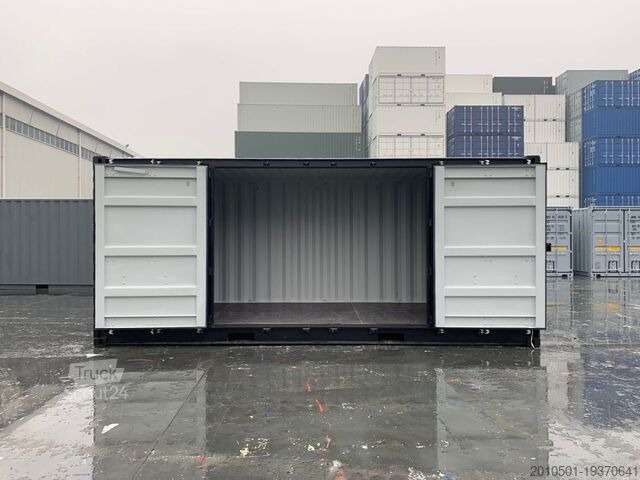
Your Ultimate Guide to Buying Storage Containers for Sale
Whether you’re a homeowner looking to declutter the garage, a small‑business owner needing extra inventory space, or a contractor planning a temporary on‑site office, the right storage container can make a world of difference. In this long‑form, informative guide we’ll walk you through everything you need to know before you click “Add to Cart.”
We’ll cover:
- The main types of containers and what they’re best suited for
- How to compare materials, sizes, and features (including a handy comparison table)
- Key factors to consider when shopping online or in‑store
- Tips for maintaining your container so it lasts for years
- A quick‑fire FAQ to clear up any lingering doubts
All of this is written in second‑person so you can picture yourself making the best purchase decision.
1. Why a Quality Storage Container Matters
You might think a simple metal box will do the trick, but the wrong container can lead to:
| Problem | Consequence | Cost Impact |
|---|---|---|
| Poor ventilation | Moisture buildup → mold, rust | Damaged goods, replacement costs |
| Inadequate security | Theft or vandalism | Lost inventory, insurance claims |
| Incorrect size | Overcrowding or wasted space | Inefficient workflow, extra purchases |
| Sub‑par material | Cracks, dents, UV degradation | Frequent repairs or early replacement |
Choosing the right container protects your assets, maximizes space efficiency, and reduces long‑term expenses.
2. Types of Storage Containers: Which One Fits Your Need?
Below is a quick rundown of the most common categories. Use the checklist later to match features with your requirements.
| Container Type | Typical Use Cases | Pros | Cons |
|---|---|---|---|
| Standard Steel Shipping Container | Bulk storage, construction sites, outdoor warehouses | Extremely durable, easy to stack, high security | Heavy, prone to rust if not galvanized |
| Portable Plastic Container | Seasonal items, tools, small‑business inventory | Lightweight, rust‑free, UV‑resistant, stackable | Lower load capacity, less secure |
| Wooden Pallet Box | Agricultural products, lightweight parts | Biodegradable, low cost | Susceptible to moisture, limited lifespan |
| Custom‑Fit Modular Units | Office pods, labs, specialty equipment rooms | Tailored dimensions, interior finishes, HVAC options | Higher price, longer lead time |
| Insulated (Cold‑Storage) Container | Food & beverage, pharmaceuticals | Temperature control, moisture barrier | Expensive, needs power source |
| Hybrid Container (Metal + Fiberglass) | Marine applications, harsh environments | Corrosion‑resistant, strong | Heavier than pure plastic, pricier than steel alone |
Quick‑Pick Checklist
- Do you need climate control? → Insulated or refrigerated containers.
- Is weight a concern? → Plastic or wooden pallets.
- Will the container be moved frequently? → Look for forklift‑compatible lift points.
- Security level? → Steel containers with lockable doors and reinforced hinges.
3. Size Matters—How to Choose the Right Dimensions
Storage containers come in standard ISO sizes, but many suppliers also offer custom dimensions. Here’s a snapshot of the most popular sizes and the approximate volume they provide:
| Size (L × W × H) | Internal Volume (cubic ft) | Typical Load Capacity (lbs) | Ideal For |
|---|---|---|---|
| 10 ft × 8 ft × 8.5 ft (20 ft standard) | 1,172 | 3,000–5,000 | Small equipment, workshop tools |
| 20 ft × 8 ft × 8.5 ft (40 ft standard) | 2,344 | 5,500–7,000 | Construction materials, bulk inventory |
| 40 ft × 8 ft × 9.5 ft (high‑cube) | 2,700 | 5,500–7,000 | Tall items, larger pallets |
| 8 ft × 5 ft × 5 ft (compact) | 210 | 1,000–1,500 | Garden tools, seasonal décor |
| 12 ft × 10 ft × 7 ft (custom modular) | 840 | 2,500–3,500 | Small office pods, mini‑warehouse |
Pro tip: Always calculate your expected volume plus a 10‑15 % safety margin. Over‑loading can warp doors and damage the frame.
4. What to Look for When Buying Storage Containers
Below is a step‑by‑step buying blueprint that you can copy‑paste into your notebook.
- Define the Purpose
- List what you’ll store: furniture, hazardous chemicals, IT equipment, etc.
- Note any special requirements (ventilation, temperature control, fire‑rating).
- Set a Budget
- Standard steel containers: $2,000‑$4,500 (used) → $4,000‑$7,500 (new)
- Plastic containers: $800‑$2,000
- Custom modular units: $10,000+
- Check Material & Coating
- Corten steel for corrosion resistance, galvanized steel for general outdoor use.
- UV‑stabilized polyethylene for plastic containers.
- Inspect Door & Lock System
- Look for reinforced hinges, tamper‑proof bolts, and padlock‑ready hasps.
- Verify Certification
- ISO 9001 for manufacturing quality.
- If you need food‑grade, look for USDA or FDA compliance.
- Consider Delivery & Placement
- Measure the entryway, turning radius, and ground clearance.
- Many sellers offer crane‑lift or forklift delivery; confirm cost upfront.
- Read the Warranty
- Standard: 1‑3 years for structural integrity, 5 years for coating.
- Ask About After‑Sales Service
- Some vendors provide on‑site repairs, spare parts, or upgrades (e.g., solar panels).
Sample Vendor Comparison Table
| Vendor | Container Types | Price Range (USD) | Warranty | Delivery Options | Notable Feature |
|---|---|---|---|---|---|
| BoxCo Supply | Steel, Plastic, Insulated | $2,200‑$9,500 | 2 yr structural, 5 yr coating | Crane, flat‑bed truck | On‑site customization |
| Rugged Containers | Steel, Hybrid, Custom | $3,500‑$12,000 | 3 yr all‑around | Freight, self‑pick | Real‑time GPS tracking |
| EcoPack Plastics | Plastic, Pallet boxes | $800‑$2,500 | 1 yr limited | Local van delivery | 100 % recycled material |
| ModuWork Systems | Modular office pods | $10,500‑$18,000 | 5 yr structural | White‑glove install | Integrated HVAC & lighting |
5. Maintaining Your Container for Longevity
You’ve found the perfect container—now protect your investment. Follow this maintenance checklist at least once a year, or after severe weather events.
| Maintenance Task | Frequency | How‑to |
|---|---|---|
| Exterior cleaning | Quarterly | Hose down with mild soap; avoid pressure washers on painted surfaces. |
| Inspect door seals | Every 6 months | Look for cracks or compression; replace silicone gaskets as needed. |
| Check for rust or corrosion | Annually | Sand any rust spots, apply rust‑inhibitor primer, then repaint with epoxy‑based paint. |
| Lubricate hinges & locks | Bi‑annually | Use silicone spray; avoid WD‑40 on lock mechanisms. |
| Ventilation check | Yearly | Ensure vents are unblocked; clean screens to prevent insects. |
| Load distribution review | Every move | Verify the weight is evenly spread; adjust pallets or shelving. |
Safety tip: Always wear gloves, safety glasses, and a dust mask when sanding or painting.
6. Where to Buy Storage Containers
There are three primary channels: online marketplaces, specialized dealers, and local classifieds. Below is a quick pros‑cons matrix so you can decide which route best matches your timeline and risk tolerance.
| Channel | Pros | Cons | Typical Lead Time |
|---|---|---|---|
| Online Marketplace (e.g., Amazon, eBay) | Wide selection, price comparison tools, customer reviews | Variable seller reliability, shipping costs, limited custom options | 3‑7 days (standard) |
| Specialized Dealer (e.g., BoxCo, Rugged Containers) | Expert advice, warranties, delivery & setup services | Higher price, minimum order quantities for custom builds | 1‑3 weeks |
| Local Classifieds / Craigslist | Lowest cost, possibility of negotiating | No guarantees, potential for hidden damage, limited after‑sales support | Immediate (if local) |
| Auction Houses / Government Surplus | Deep discounts on bulk lots | Inconsistent condition, limited inspection | 1‑2 weeks (after winning bid) |
Recommendation: For most small‑business owners, a specialized dealer offers the best blend of quality, service, and warranty. If you’re on a tight budget, start with a reputable online seller and request detailed photos before committing.
7. Frequently Asked Questions (FAQ)
Q1: Can I stack one container on top of another?
A: Yes, steel containers are engineered for stacking up to three units high when properly secured with twist‑locks. Plastic containers can be stacked, but verify the manufacturer’s load rating first.
Q2: Do storage containers need a foundation?
A: A level, compacted gravel pad (4‑6 inches deep) is ideal for steel containers to prevent moisture wicking and to aid drainage. For lightweight plastic units, a concrete slab or reinforced pallet works fine.
Q3: How do I secure a container against theft?
A: Use a high‑security lock (e.g., Padlock‑C or a cam lock), reinforce the door hinges with steel plates, and consider a perimeter fence or security camera. Some vendors also offer GPS tracking modules.
Q4: Are there any tax deductions for buying a storage container for my business?
A: In many jurisdictions, a storage container used exclusively for business purposes can be depreciated over a 5‑year period. Consult a tax professional for local regulations.
Q5: What is the difference between a “high‑cube” and a standard container?
A: High‑cube containers are about 1 ft taller (9.5 ft vs 8.5 ft) offering more interior volume—great for tall equipment or stacking pallets.
Q6: Can I paint the exterior of my container?
A: Absolutely. Use a rust‑inhibiting primer followed by an epoxy or acrylic exterior paint. This not only improves aesthetics but also adds a protective layer.
Q7: How do I handle hazardous materials storage?
A: Choose a container with a UN‑rated classification, proper ventilation, and a fire‑resistant coating. Check local regulations for labeling and fire‑suppression requirements.
Q8: What’s the lifespan of a typical steel container?
A: With regular maintenance, a galvanized steel container can last 20‑30 years. Corten steel, which develops a protective rust patina, can exceed 40 years.
8. Final Thoughts – Take Action Now
You now have a comprehensive road map for selecting, purchasing, and maintaining the perfect storage container. Remember:
- Define your needs before you browse – size, material, climate control, security.
- Compare vendors using the tables above to spot the best price‑to‑feature ratio.
- Inspect and maintain your container regularly to avoid costly repairs down the line.
If you’re ready to start, head over to a reputable dealer like BoxCo Supply or explore the steel container listings on eBay with the checklist in hand. The right container is just a click (or a call) away—make sure it’s the one that truly protects your assets and streamlines your workflow.
Happy storing! 🚀