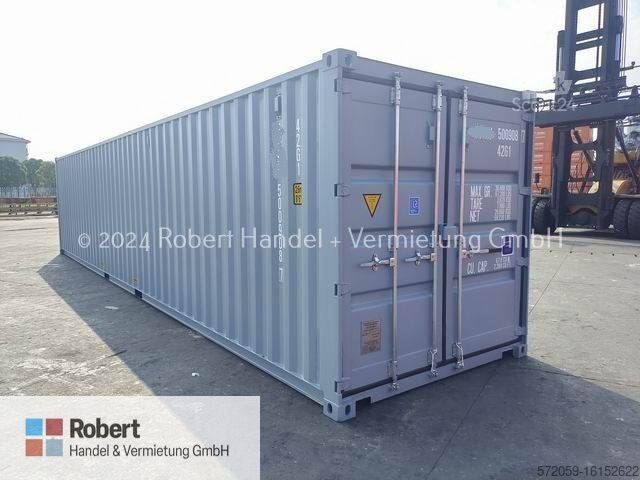
The Complete Guide to Using Shipping Containers as Storage Solutions
Introduction: Why Shipping Containers Are the Modern Storage Hero
If you’ve ever looked for a sturdy, weather‑proof, and versatile storage solution, chances are you’ve seen those big metal boxes lining docks, construction sites, or even parked in residential driveways. Those are shipping containers, and they’ve been quietly transforming the way businesses and households store, transport, and even live in their contents.
In this guide you’ll discover:
- What makes a shipping container suitable for storage
- The different types and sizes available
- How to choose the perfect container for your needs
- Cost‑saving tips, maintenance tricks, and safety basics
- Answers to the most common questions
All of this is presented in a way that lets you make an informed decision, whether you’re a small‑business owner, a DIY enthusiast, or a homeowner needing extra space.
1. Shipping Containers 101
A shipping container is a standardized steel box designed to carry goods across oceans, railways, and trucks. Their dimensions, strength, and durability are regulated by the International Organization for Standardization (ISO), which means you can stack, transport, or modify them almost anywhere in the world.
1.1. Core Features That Make Them Great Storage Units
| Feature | Why It Matters for Storage |
|---|---|
| Durable steel walls | Resist rust, impact, and pests – your items stay safe. |
| Weather‑tight sealing | Keeps rain, snow, and dust out, protecting sensitive equipment. |
| Standardized dimensions | Easy to fit on pallets, trucks, or in a backyard with known clearances. |
| Stackable design | Allows vertical storage when you need to maximize limited floor space. |
| Security options | Lockable doors, reinforced hinges, and optional CCTV integration. |
| Customizable interior | Add shelving, insulation, lighting, or even residential finishes. |
2. Types of Shipping Containers
Not all containers are created equal. Below is a quick rundown of the most common variants you’ll encounter when hunting for a storage solution.
| Container Type | Typical Dimensions (L × W × H) | Typical Use Cases | Key Advantages |
|---|---|---|---|
| Standard Dry Container | 20‑ft (6.06 m) × 8‑ft (2.44 m) × 8.5‑ft (2.59 m) or 40‑ft (12.19 m) × 8‑ft × 8.5‑ft | General storage, moving, retail inventory | Affordable, widely available |
| High‑Cube Dry Container | Same footprint as standard but 9.5‑ft (2.90 m) high | Voluminous goods, equipment racks | Extra interior volume (~12% more) |
| Open‑Top Container | Same length/width, removable roof | Oversized cargo, agricultural products | Easy loading from the top |
| Reefer (Refrigerated) Container | Same footprint, insulated walls + cooling unit | Perishables, pharmaceuticals | Temperature control (‑30 °C to +30 °C) |
| Flat Rack Container | 20‑ft or 40‑ft frame with collapsible sides | Heavy machinery, vehicles | Minimal side walls for oversized loads |
| Ventilated (Vent) Container | Standard dimensions with roof vents | Produce, timber, chemicals | Passive airflow to prevent moisture build‑up |
Tip: For most personal or business storage needs, a standard dry container or a high‑cube version will be the most cost‑effective choice.
3. How to Pick the Right Container for Your Storage Needs
When you’re deciding which container fits your situation, ask yourself the following checklist. Use the table after the list to see how each factor translates into container specifications.
3.1. Checklist
- Volume Required – How much cubic footage do you need?
- Location Constraints – Is there enough clearance height for a high‑cube?
- Weather Exposure – Will the container be outdoors year‑round?
- Security Concerns – Do you need extra locks, cameras, or reinforced doors?
- Budget – What is your maximum spend, including delivery?
- Future Modifications – Do you plan to add shelving, insulation, or a workbench?
3.2. Quick Comparison Table
| Requirement | Recommended Container | Reason |
|---|---|---|
| Up to 1,200 cu ft | 20‑ft Standard | Compact, easy to maneuver |
| 1,200–2,400 cu ft | 40‑ft Standard | More floor space, same footprint |
| Maximum volume | 40‑ft High‑Cube | Extra 12% height, ideal for tall items |
| Exposure to rain/snow | All‑weather dry + optional roof coating | Steel is rust‑resistant; add a tarp for extra protection |
| Temperature‑sensitive goods | Reefer | Integrated refrigeration unit |
| Oversized items (e.g., machinery) | Open‑Top or Flat Rack | Easy top loading or side‑less design |
| Ventilation needed | Vent Container | Built‑in roof vents prevent condensation |
4. Cost Considerations: What’s the Real Price Tag?
| Cost Element | Typical Range (USD) | How to Save |
|---|---|---|
| Container Purchase | $1,800 – $4,500 (20 ft) $2,800 – $6,500 (40 ft) | Buy used, inspect for rust, negotiate bulk discounts. |
| Delivery & Placement | $200 – $1,200 (depending on distance & crane) | Consolidate deliveries, use a local supplier with a depot near you. |
| Modifications (shelving, insulation) | $300 – $2,500 | DIY installations; purchase pre‑fabricated shelving kits. |
| Security Upgrades | $150 – $800 (locks, cameras) | Choose high‑quality padlocks; integrate solar‑powered cameras for low‑energy use. |
| Maintenance (painting, rust treatment) | $100 – $400 per year | Apply rust‑inhibiting primer annually; keep doors sealed. |
Bottom line: A used 20‑ft container with basic modifications can be ready for storage under $3,000, while a fully insulated, high‑cube 40‑ft container with a lock system may sit around $7,000–$9,000.
5. Customizing Your Container for Everyday Use
5.1. Interior Layout Ideas
- Shelving System: Install metal or heavy‑duty plastic shelves in 2‑ft intervals.
- Workbench: Weld a sturdy bench along one wall for a DIY garage.
- Lighting: LED strip lights with motion sensors reduce power consumption.
- Insulation: Spray foam or rigid board insulation helps with temperature stability.
5.2. Exterior Enhancements
- Paint or Powder Coating: Improves aesthetics and adds another rust‑proof layer.
- Skylights or Windows: Small, double‑glazed windows increase natural light.
- Ramp or Steps: Prefabricated steel ramps ease loading heavy pallets.
6. Maintenance & Safety – Keeping Your Container in Top Shape
| Maintenance Task | Frequency | Simple Steps |
|---|---|---|
| Inspect for rust or dents | Quarterly | Walk around, use a flashlight on seams, touch up with touch‑up paint if needed. |
| Lubricate door hinges & locks | Every 6 months | Apply silicone spray to prevent squeaks and corrosion. |
| Check seal integrity | Annually (pre‑winter) | Verify that the rubber gasket is intact; replace if cracked. |
| Clean interior | As needed | Sweep debris, vacuum dust, wipe down shelves with a mild detergent. |
| Ventilation check (if vented) | Every 3 months | Ensure vents aren’t blocked; clean any debris. |
Safety Highlights
- Weight Limits: Do not exceed the container’s payload rating (usually 28,000 lb for 20‑ft, 58,000 lb for 40‑ft).
- Ventilation: If storing chemicals or batteries, ensure adequate airflow to avoid toxic fumes.
- Fire Protection: Keep a Class ABC fire extinguisher nearby; do not store flammable liquids without proper containers.
7. Real‑World Use Cases – How Others Are Leveraging Shipping Containers
- Retail Stockroom: A boutique clothing store uses a 40‑ft high‑cube container behind the storefront to hold seasonal inventory, freeing up valuable shop floor space.
- Construction Site Office: Contractors convert a 20‑ft dry container into a lockable office with HVAC, providing a weather‑proof workspace on any job site.
- Urban Gardening: City dwellers stack two 20‑ft ventilated containers as vertical hydroponic farms, taking advantage of the built‑in airflow.
- Home Garage Extension: Homeowners install a container alongside their existing garage to store lawn equipment, bicycles, and tools—complete with a roll‑up door and shelving.
8. Frequently Asked Questions (FAQ)
Q1: Can I place a shipping container on grass or a soft surface?
A: Yes, but it’s best to lay down a concrete slab or a compacted gravel base. This prevents the container from sinking and protects the floor from moisture.
Q2: How long does a used container typically last?
A: With proper maintenance, a steel container can last 30–40 years. Regular rust treatment and roof checks are key.
Q3: Are there any zoning or permit requirements for placing a container on my property?
A: Regulations vary by city and homeowners’ association. Many municipalities consider a container a “temporary structure,” but you may need a permit if it exceeds a certain size or is used for commercial purposes. Always check local codes first.
Q4: What’s the difference between a “standard” and “high‑cube” container?
A: Both share the same footprint (8 ft wide × 8 ft tall), but a high‑cube adds about 1 ft of interior height, giving roughly 12% more volume. It’s ideal for tall items or additional shelving.
Q5: Can I stack containers on top of each other?
A: Absolutely—shipping containers are engineered to be stacked up to nine units high on a ship. On land, make sure the ground is level, the lower container is in good condition, and you use proper stacking frames or a crane for safety.
Q6: How do I secure a container against theft?
A: Invest in a high‑security lock (e.g., a medeco or padlock with a hardened shackle), reinforce the door hinges, and consider adding a video surveillance system with a battery‑backed recorder.
Q7: Is it possible to make a container temperature‑controlled without a reefer unit?
A: For moderate climate control, you can add insulation plus a portable electric heater or vent fan. However, it won’t be as precise as a refrigerated unit and isn’t suitable for highly perishable goods.
Q8: What are the environmental benefits of reusing shipping containers?
A: Reusing a container reduces steel waste, lowers the demand for new construction materials, and extends the lifecycle of existing assets, contributing to a circular economy.
9. Quick Action Checklist – Get Your Container Ready Today
- Measure your space – Confirm floor area and height clearance.
- Determine volume needed – Use a simple calculator: length × width × height = cubic feet.
- Select container type – Refer to the tables above for size & features.
- Request quotes – Include purchase price, delivery, and any modifications.
- Inspect before purchase – Look for rust, dents, and door functionality.
- Plan modifications – Sketch interior layout, decide on shelving, lighting, and security.
- Arrange delivery & placement – Ensure a level foundation and clear access route.
- Perform first‑time maintenance – Clean, lubricate hinges, and apply a protective coating if desired.
Conclusion: Turn a Simple Steel Box into a Powerful Storage Asset
You’ve now got the full picture of why shipping containers are more than just cargo carriers; they’re versatile, durable, and cost‑effective storage solutions that can be tailored to almost any need. By understanding the types, comparing size and features in our tables, and following the maintenance and safety tips, you can confidently invest in a container that will protect your belongings for decades to come.
Whether you’re looking to free up space in a cramped workshop, secure seasonal inventory for a boutique, or create a backyard garage extension, the container you choose today will become the backbone of a more organized tomorrow.
Ready to roll? Start measuring, reach out to a reputable supplier, and watch how that humble steel box transforms your storage challenges into streamlined solutions. Happy stacking!