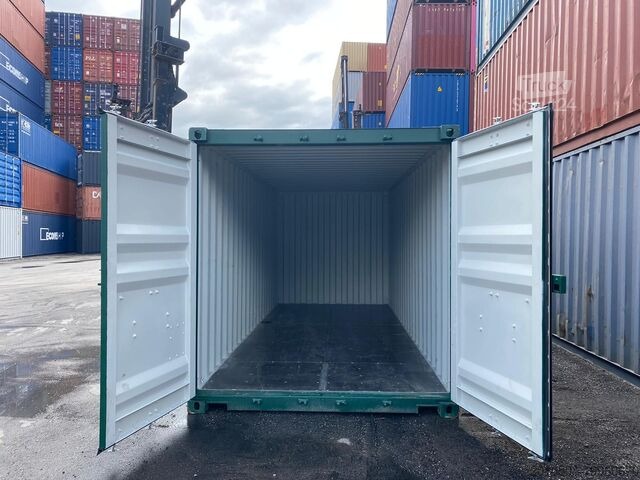
Unlocking the Power of Shipping Containers for Smart Storage
When you walk through a bustling warehouse or a busy construction site, one thing is clear: space is a premium commodity. Whether you’re a small‑business owner, a DIY enthusiast, or a logistics manager, finding a flexible, secure, and cost‑effective way to store inventory, tools, or even living essentials can feel like solving a puzzle with missing pieces.
Enter the shipping container—the steel “box” that has traveled the globe carrying everything from coffee beans to automobiles. Over the past decade, these rugged, standardized containers have evolved from mere transport units into versatile storage solutions for a wide range of applications. In this post, you’ll discover why containers make sense for your storage needs, learn how to choose the right type, and get practical tips for maximizing space, safety, and efficiency.
1. Why Shipping Containers Are a Game‑Changer for Storage
| Benefit | How It Impacts You | Typical Use Cases |
|---|---|---|
| Durability | The corrugated steel walls resist dents, rust, and weather extremes, protecting your assets for years. | Outdoor equipment, seasonal inventory, hazardous materials |
| Standardized Sizes | With a universal footprint, you can stack, transport, or modify containers without special permits. | Modular office spaces, pop‑up retail, container farms |
| Security | Lockable doors, tamper‑resistant hinges, and optional alarm systems deter theft and vandalism. | High‑value tools, electronics, documents |
| Mobility | A container can be lifted by a crane or forklift, moved on a truck, or even placed on a railcar. | Construction sites, remote field offices, disaster relief |
| Cost‑Effectiveness | New 20‑ft containers start around $2,500–$3,500, while used units can be half that price. | Start‑ups, small businesses, personal storage |
| Customizability | Interior fittings, ventilation, shelving, and insulation can turn a plain box into a climate‑controlled unit. | Laboratories, workshops, cold storage |
These advantages mean you can store more, protect better, and adapt faster—all while staying within a realistic budget.
2. Picking the Right Container for Your Needs
Below is a quick‑reference table that breaks down the most common container types, their dimensions, and the scenarios they excel in.
| Container Type | Internal Dimensions (ft) | Approx. Volume (cu ft) | Typical Load Capacity (lb) | Ideal For |
|---|---|---|---|---|
| 20‑ft Standard | 19.4 × 7.8 × 7.9 | 1,170 | 48,000 | Small‑business inventory, tool storage |
| 40‑ft Standard | 39.5 × 7.8 × 7.9 | 2,390 | 59,000 | Larger warehouses, bulk equipment |
| 40‑ft High‑Cube | 39.5 × 7.8 × 8.9 | 2,700 | 57,000 | Tall items, additional headroom for shelving |
| 45‑ft High‑Cube | 44.5 × 7.9 × 9.5 | 3,200 | 55,000 | Heavy machinery, high‑volume stock |
| Refrigerated (Reefer) | Varies (20‑ft/40‑ft) | Same as standard | Same as standard | Perishables, pharmaceuticals |
| Open‑Top | Same footprint, removable top | Same as standard | Same as standard | Oversized cargo, construction materials |
| Flat‑Rack | Same footprint, collapsible sides | Same as standard | Same as standard | Heavy machinery, pallets that exceed height limits |
Decision Checklist
- What’s the size of the items you’ll store?
- Tall equipment → High‑Cube.
- Oversized loads → Open‑Top or Flat‑Rack.
- Do you need temperature control?
- Yes → Choose a refrigerated (reefer) container or add insulation + HVAC.
- How much weight are you planning to load?
- Verify the container’s tare weight and maximum payload; never exceed the rated capacity.
- Will you move the container often?
- Smaller units (20‑ft) are easier to lift and transport.
- Do you need extra security?
- Opt for reinforced doors, cylinder locks, and consider a GPS tracking system.
3. Preparing Your Container for Efficient Storage
3.1. Clean and Inspect
Before you start loading, give the interior a thorough wash and dry. Look for:
- Rust spots – sandblasting and rust‑inhibitor paint can extend life.
- Water leaks – check the roof and door seals; replace gaskets if needed.
- Pest infestations – use non‑toxic traps or a mild pesticide spray.
3.2. Install Interior Fixtures
A well‑organized container can boost retrieval speed by 30‑40 %. Consider these accessories:
| Fixture | Purpose | Typical Cost (USD) |
|---|---|---|
| Metal Shelving | Supports pallets, boxes, tools | $150–$500 per unit |
| Wall‑Mounted Racks | Maximizes vertical space | $80–$250 per rack |
| Pegboards | Hangs smaller tools, parts | $30–$100 per board |
| Insulation Panels | Reduces temperature swings | $200–$600 (full container) |
| LED Lighting | Improves visibility, low energy use | $50–$150 per fixture |
| Ventilation Grilles | Prevents condensation, mildew | $20–$70 each |
3.3. Optimize Layout with a Simple Grid
- Map the floor on graph paper (each square = 1 ft).
- Mark entry points and any fixed fixtures.
- Place pallets or shelving in rows, leaving 2 ft aisles for forklift or pallet jack clearance.
- Assign zones (e.g., raw materials, finished goods, returns) to keep workflow logical.
3.4. Safety First
- Fire Extinguishers – place one at each door.
- First‑Aid Kit – keep it visible near the entrance.
- Signage – “Heavy Load”, “Do Not Stack Over 8 ft”, and “Emergency Exit”.
- Weight Distribution – load heavier items low and centered to maintain stability.
4. Real‑World Examples: How Different Industries Leverage Container Storage
| Industry | Application | Benefits Realized |
|---|---|---|
| E‑Commerce | Seasonal inventory for apparel and accessories | Faster order fulfillment, reduced warehouse footprint |
| Construction | On‑site tool and material depot | Immediate access, reduces theft, supports mobile crews |
| Agriculture | Portable cold storage for harvests | Extends shelf‑life, cuts spoilage by up to 25 % |
| Healthcare | Secure storage for medical supplies and records | Meets regulatory compliance, easy to relocate |
| Artists & Makers | Mobile studio/warehouse for large sculptures | Enables pop‑up exhibitions, protects artwork from weather |
These cases illustrate that container storage is not a one‑size‑fits‑all; it adapts to the nuances of each sector, offering a blend of mobility, security, and cost control.
5. Cost Overview: What to Expect When Buying or Renting
| Option | Up‑Front Cost | Ongoing Expenses | Typical Lease Term | When It Makes Sense |
|---|---|---|---|---|
| Purchase New (20‑ft) | $2,800–$3,500 | Maintenance, insurance | N/A | Long‑term storage, asset ownership |
| Purchase Used (20‑ft) | $1,500–$2,200 | Same as new | N/A | Tight budgets, pilot projects |
| Monthly Rental (20‑ft) | $150–$250 | Included upkeep | 1 – 36 months | Short‑term projects, seasonal spikes |
| Leasing (40‑ft) | $300–$500/month | Maintenance contract optional | 12 – 60 months | Growing businesses needing scalability |
| Container‑as‑a‑Service (CaaS) | $1,200–$2,000 for 6 months (includes modifications) | Updates, remote monitoring | Flexible | Companies wanting turnkey solution |
When evaluating cost, factor depreciation (≈ 5 % per year for new units) and opportunity cost—the value of freeing up indoor warehouse space for higher‑margin activities.
6. Frequently Asked Questions
Q1: Can I stack containers on top of each other for extra storage?
A: Yes, standard containers are engineered for stacking up to nine units high when placed on a proper foundation. Use twist‑locks and ensure the ground can support the load.
Q2: How do I protect items from humidity inside a container?
A: Install ventilation grilles and consider a dehumidifier or insulated panels. Seal all doors tightly and use moisture‑absorbing packets for sensitive goods.
Q3: Are there any legal restrictions on placing a container on my property?
A: Zoning laws vary by municipality. Generally, a building permit isn’t required if the container is classified as a temporary structure, but you may need to meet setback, height, and fire‑code requirements. Always check with local authorities.
Q4: What’s the difference between a “dry” container and a “reefer”?
A: A dry container is an uninsulated steel box. A refrigerated (reefer) container has built‑in insulation, a refrigeration unit, and temperature controls, making it ideal for perishable goods.
Q5: How can I secure a container against theft?
A: Use high‑security cylinder locks, reinforce door hinges, add a bolt‑down anchoring system, and consider a GPS tracker with real‑time alerts. Installing CCTV cameras around the site further deters intruders.
Q6: Is it possible to convert a container into a living space?
A: Absolutely. Many people turn containers into tiny homes, offices, or studios. You’ll need to add insulation, windows, plumbing, and electrical wiring—often requiring building permits.
Q7: How do I calculate how many pallets fit inside a 40‑ft container?
A: A standard 40‑ft container holds ≈ 22 standard pallets (48 × 40 in) when loaded in a “brick” (alternating) pattern, or ≈ 20 pallets in a “straight” layout with aisles for forklifts.
7. Quick‑Start Checklist: Your First 30 Days with a Shipping Container
- Define storage goals – list item types, volumes, and handling frequency.
- Select container size & type – refer to the comparison table above.
- Secure acquisition – purchase, rent, or lease through a reputable dealer.
- Prepare site – level ground, install a concrete pad or steel base, verify drainage.
- Inspect & clean – perform a thorough interior and exterior check.
- Add fittings – shelve, rack, lighting, ventilation as needed.
- Organize layout – use a floor‑plan grid to maximize aisle space.
- Implement security – locks, cameras, and optional tracking.
- Train staff – safe loading practices, weight limits, emergency procedures.
- Monitor & maintain – schedule periodic inspections, clean interior, and address rust or wear promptly.
Following this roadmap will help you turn a simple steel box into a high‑performing storage hub within a month, saving you time, money, and headaches down the road.
8. Final Thoughts
Shipping containers have transcended their original purpose of moving cargo across oceans. Their standardized dimensions, rugged construction, and inherent mobility make them a compelling answer to today’s ever‑changing storage challenges. By choosing the right container, customizing the interior, and applying best‑practice organization techniques, you can unlock a versatile, secure, and cost‑effective storage solution that scales with your business—or even your personal projects.
So the next time you’re wrestling with space constraints, ask yourself: What could a container do for you? The answer may just be the key to turning chaos into order—one steel box at a time.