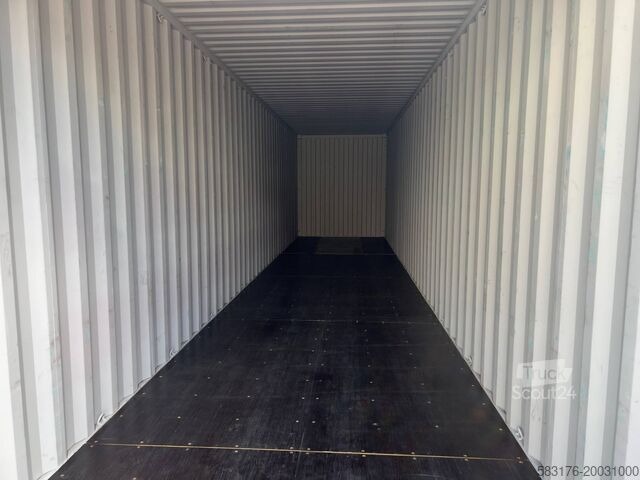
The Complete Guide to Buying Used Flat‑Pack Containers
Whether you’re expanding a warehouse, setting up a pop‑up shop, or looking for a flexible storage solution for a construction site, flat‑pack containers have become the go‑to choice for businesses that need quick, cost‑effective, and modular space.
But what happens when a brand‑new container isn’t within your budget or timeline? That’s where used flat‑pack containers come into play. In this post you’ll learn everything you need to know to evaluate, purchase, and maintain a pre‑owned unit—complete with tables, checklists, and a FAQ section to keep you moving forward with confidence.
1. What Exactly Is a Flat‑Pack Container?
A flat‑pack container (sometimes called a “knock‑down” or “modular” container) is a steel or aluminum structure that ships disassembled in flat panels. When it arrives on site, the panels are bolted, welded, or screwed together in minutes rather than days.
| Feature | New Flat‑Pack | Used Flat‑Pack |
|---|---|---|
| Delivery | Shipped flat, built on‑site | Same, but may already be partially assembled |
| Construction Time | 4‑8 h (professional crew) | 3‑6 h (often quicker if pre‑assembled) |
| Typical Materials | Galvanized steel, aluminum, insulated panels | Same, but may show wear or repairs |
| Customization | Unlimited (color, doors, windows) | Often limited to original spec, but retrofits possible |
| Price Range (USD) | $3,500‑$7,500 per 20‑ft unit | $1,500‑$4,500 per 20‑ft unit |
The advantage of the flat‑pack design is that it cuts freight costs by up to 70 % because the container ships as a compact pallet rather than as a bulky, pre‑assembled cube.
2. Why Consider a Used Unit?
2.1 Immediate Availability
A new flat‑pack container may have a lead time of 2‑6 weeks depending on the manufacturer’s backlog. A used unit that’s already on a dealer’s lot can be shipped within 48‑72 hours—critical when you need space on a tight deadline.
2.2 Cost Savings
Because you’re buying a second‑hand product, you’ll typically save 30‑55 % on the purchase price. That budget can be re‑allocated to insulation, interior fittings, or even a second container.
2.3 Sustainable Choice
Re‑using an existing container reduces the demand for new steel production, which in turn lowers carbon emissions. Many companies track this as part of their ESG (Environmental, Social, Governance) initiatives.
2.4 Proven Durability
Flat‑pack containers are engineered for rugged environments. If a used unit has survived a year of outdoor exposure, you can be confident it will stand up to your own use—provided you do a proper inspection.
3. Where to Find Used Flat‑Pack Containers
| Source | Pros | Cons | Typical Price Range* |
|---|---|---|---|
| Specialized Dealers (e.g., Container‑Supply Co.) | Certified inspections, warranty options | Slightly higher price than private sellers | $2,000‑$4,800 |
| Online Marketplaces (e.g., eBay, Craigslist) | Wide geographic reach, low cost | Variable condition, limited after‑sales support | $1,500‑$3,500 |
| Industry Auctions | Bulk deals, rare specifications | Requires quick decision, potential hidden damage | $1,800‑$4,200 |
| Manufacturer Refurbishment Programs | Factory‑level reconditioning, custom upgrades | Longer lead times for refurbishment | $2,500‑$5,000 |
| Local Construction Sites | Immediate pick‑up, often inexpensive | Limited to one size/configuration, may lack documentation | $1,200‑$3,000 |
*Prices are indicative for a standard 20‑ft container in the U.S. market (as of 2025).
4. Inspecting a Used Flat‑Pack Container
Before you sign a purchase agreement, run through this inspection checklist. You can perform most of it yourself; however, a professional surveyor can add credibility if you’re buying for a large project.
| Item | What to Look For | Acceptance Criteria |
|---|---|---|
| Exterior Panels | Dents, rust, paint flaking | No structural rust > 0.5 mm; minor surface rust acceptable |
| Structural Welds / Bolts | Loose bolts, cracked welds | All bolts tightened to torque spec (usually 30‑45 Nm); welds sound and free of cracks |
| Door & Lock Mechanisms | Alignment, seal integrity, operability | Doors open/close smoothly; locks engage fully |
| Flooring | Corrosion, water damage, warping | No pits deeper than 2 mm; dry, flat surface |
| Insulation (if present) | Wet spots, compressed foam | Uniform thickness, no moisture staining |
| Electrical Wiring (optional) | Conductors, outlets, grounding | Code‑compliant, no exposed wires |
| Documentation | Build log, repair records, load rating | Complete history, at least a 2‑year service log |
| Load Rating | Verify 10 t or 20 t rating as needed | Label matches intended use |
If any item fails, negotiate a price reduction or request that the seller fix the issue before delivery.
5. Cost‑Benefit Comparison: New vs. Used vs. Refurbished
Below is a quick ROI (Return on Investment) snapshot for a typical 20‑ft flat‑pack container used as on‑site storage for a 12‑month construction project.
| Scenario | Purchase Price | Setup Cost (assembly, foundation) | Annual Operating Cost (maintenance, utilities) | Total 12‑Month Cost | Payback (if renting a storage room at $250/mo) |
|---|---|---|---|---|---|
| New | $6,200 | $800 | $300 | $7,300 | Break‑even after 29 months |
| Used (good condition) | $3,300 | $600 | $250 | $4,150 | Break‑even after 13 months |
| Refurbished (factory‑reconditioned) | $4,500 | $700 | $260 | $5,460 | Break‑even after 19 months |
*Numbers are illustrative, based on average U.S. market data (2025).
Takeaway: Even a modestly priced used container can cut your total cost by 43 % compared with a brand‑new unit, delivering a near‑instant payback if you would otherwise rent external storage.
6. Common Use Cases for Used Flat‑Pack Containers
- Temporary Warehousing – Keep inventory close to the production line.
- Site Offices – Convert with modular furniture, HVAC, and Internet cabling.
- Pop‑Up Retail – Fast assembly, high visibility, low footprint.
- Disaster Relief – Rapidly deploy shelter or medical stations.
- Agricultural Storage – Store tools, seed, or harvested produce.
- Event Logistics – Changing rooms, ticket booths, or backstage storage.
Because the containers are modular, you can stack two or three units (if the floor and foundation can bear the load) to create a multi‑level solution—just verify the load rating before you go vertical.
7. How to Finance Your Purchase
| Financing Option | Typical Terms | Pros | Cons |
|---|---|---|---|
| Cash Purchase | Immediate payment | Best price, no interest | Requires capital upfront |
| Bank Loan | 3‑5 yr, 4‑7 % APR | Spreads cost, retains ownership | Interest adds to total cost |
| Equipment Lease | 12‑36 mo, optional buy‑out | Low upfront, upgrade flexibility | Higher overall cost, residual value may be low |
| Vendor Credit | 30‑90 day payment terms | Simple, often interest‑free | Limited to vendor’s credit limits |
| Crowdfunding / Community Funding | Project‑based | Engages supporters, spreads risk | Requires marketing effort, may not raise enough |
For small‑scale entrepreneurs, a short‑term equipment lease can be attractive because it pairs well with a limited‑time project. Larger firms often secure a bank loan to own the asset outright and amortize the cost over the lifetime of the container (often 20 years).
8. Maintenance Tips to Extend Lifespan
- Annual Visual Inspection – Look for rust, loose bolts, and seal degradation.
- Touch‑Up Paint – Apply a rust‑inhibiting primer and topcoat on any exposed steel.
- Seal Replacement – Weather‑stripping around doors should be refreshed every 2‑3 years.
- Floor Cleaning – Sweep debris and mop with a mild detergent to avoid corrosion.
- Ventilation – Ensure vents are clear to prevent moisture buildup inside insulated units.
- Load Monitoring – Never exceed the container’s rated load; use calibrated scales on the floor if you store heavy equipment.
A well‑maintained used container can outlast a brand‑new one that’s neglected, delivering a higher return on your investment.
9. Step‑by‑Step Buying Process
- Define Requirements – Size, load rating, insulation, door placement.
- Research Suppliers – Use the table in Section 3 to shortlist options.
- Request Quotes & Inspection Reports – Ask for photos, rust reports, and any warranties.
- Compare Offers – Use the ROI table (Section 5) to gauge long‑term cost.
- Negotiate – Highlight any deficiencies you found in the inspection.
- Arrange Financing – Select the method that best aligns with cash flow.
- Schedule Delivery & Assembly – Confirm site preparation (level ground, anchoring points).
- Perform Final Inspection – Verify condition upon arrival before signing off.
- Set Up Maintenance Plan – Register the container with a service provider if possible.
Following these steps will help you avoid surprises and ensure that the container you acquire truly fits your operational needs.
10. Frequently Asked Questions
| Question | Answer |
|---|---|
| Can I paint a used flat‑pack container? | Absolutely. Use a primer designed for metal, followed by a high‑quality exterior paint. This not only improves aesthetics but also adds an extra layer of corrosion protection. |
| Do used containers come with a warranty? | Many specialized dealers offer a limited 6‑month warranty covering major structural defects. Refurbished units from manufacturers often carry a 12‑month warranty. Always confirm the terms before purchase. |
| Is it legal to place a container on residential property? | Zoning regulations vary by municipality. Most areas allow containers for accessory uses (e.g., garage, workshop) but you may need a permit or a variance. Check with your local building department. |
| How do I verify the load rating? | Look for a stamped label on the interior wall or frame that indicates the maximum safe load (e.g., “20 t”). If the label is missing, request the original specifications from the seller or have a certified engineer assess it. |
| Can I insulate a used container myself? | Yes. Fiberglass batts, spray foam, or insulated panel kits can be installed. Ensure you seal all joints and install a vapor barrier to prevent condensation. |
| What’s the typical delivery time for a used container? | After purchase agreement, most dealers can ship within 3‑7 business days, depending on distance and availability. |
| Are there any hidden costs I should watch for? | Delivery fees, anchoring hardware, and site preparation (e.g., concrete pads) can add 5‑15 % to the base price. Always request a full cost breakdown before signing. |
| Can I stack used containers? | Yes, if they are rated for stacking and you have a proper foundation. Verify the manufacturer’s stacking limit—typically 2‑3 units for a 20‑ft container. |
| Is it better to buy a used container with or without doors? | Doors add to the purchase price and may have wear. If you only need storage, a container without doors can be cheaper, and you can add a custom door later. |
| How do I dispose of a container at the end of its life? | Steel containers are recyclable. Contact a local scrap metal recycler; most will accept de‑commissioned containers for free or a nominal fee. |
Bottom Line
Choosing a used flat‑pack container isn’t just a cost‑cutting maneuver; it’s a strategic decision that can accelerate project timelines, boost sustainability credentials, and provide flexible space that grows with your business. By assessing the condition, understanding the total cost of ownership, and following a structured buying process, you can secure a reliable, high‑performance container that meets your needs today—and tomorrow.
Ready to start scouting? Grab the checklist, compare the tables, and take the first step towards a smarter, more resilient storage solution. Happy packing!