The Ultimate Guide to Buying Storage Units for Sale
Whether you’re an investor looking to expand a portfolio, a small‑business owner needing extra space, or a homeowner who simply wants a secure place for seasonal items, purchasing a storage unit can be a smart move. In this post you’ll learn what types of storage units are available, how to evaluate the right option for your needs, the financial and legal steps involved, and answers to the most common questions. All of this is presented in a friendly, second‑person voice so you can picture yourself making the right decision.
1. Why Buy a Storage Unit Instead of Renting One?
| Renting | Buying |
|---|---|
| Flexibility – Easy to move out after a short lease. | Equity Building – The unit becomes an asset that can appreciate. |
| Lower Up‑Front Cost – Only a monthly fee and deposit. | Control – You decide on upgrades, security features, and access hours. |
| No Maintenance Responsibility – Owner handles repairs. | Tax Benefits – Depreciation and interest deductions may apply. |
| Limited Customization – You must accept the provider’s layout. | Potential Income Stream – Rent out excess space to others. |
If you foresee long‑term usage, anticipate growth, or want to generate passive income, buying often outweighs the convenience of renting.
2. Types of Storage Units You Can Purchase
| Unit Type | Typical Size Range | Best For | Key Features |
|---|---|---|---|
| Traditional Warehouse‑Style | 1,000 – 25,000 sq ft | Large inventory, e‑commerce fulfillment | High ceilings, dock doors, loading bays |
| Climate‑Controlled Pods | 100 – 500 sq ft | Sensitive items (electronics, antiques) | Temperature & humidity regulation |
| Modular Steel Buildings | 200 – 10,000 sq ft | Quick‑install solutions, expanding businesses | Prefabricated, scalable, low‑maintenance |
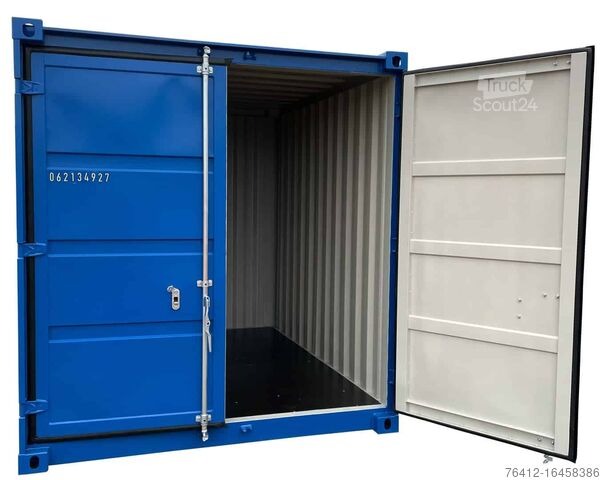
| Shipping Container Conversions | 160 – 320 sq ft (standard 20‑ft & 40‑ft) | Mobile storage, pop‑up retail, off‑grid offices | Portable, stackable, lockable |
| Self‑Storage Facility (Multi‑Unit) | 5,000 – 100,000 sq ft total (individual units 5‑1,200 sq ft) | Community storage, investment property | Multiple unit sizes, common area, security system |
| Special‑Purpose (Wine, Art, Data) | Varies (often 50 – 300 sq ft) | Niche markets requiring strict controls | UV‑filtered lighting, vapor‑proofing, climate precision |
How to Choose the Right Type
- Assess Your Inventory – Do you need climate control? Do you have heavy or bulky items?
- Consider Location – Proximity to highways, rail lines, or your business can affect logistics costs.
- Future Expansion – Modular and warehouse‑style units can be enlarged more easily than fixed containers.
- Budget Constraints – Shipping containers often have the lowest entry price, while climate‑controlled pods command a premium.
3. Step‑by‑Step Checklist for Purchasing a Storage Unit
Below is a practical, actionable list you can follow from the moment you decide to buy to the day you take possession.
- Define Your Requirements
- Size (square footage)
- Climate control need
- Accessibility (24/7, drive‑up, forklift)
- Security (CCTV, alarms, biometric access)
- Research the Market
- Use online listings (LoopNet, Crexi, local commercial brokers)
- Compare recent sales in your region to gauge price per sq ft
- Create a Financial Model
- Purchase price (including land, if applicable)
- Operating expenses (insurance, utilities, property taxes)
- Projected revenue (rental rates, occupancy)
- ROI and cash‑on‑cash return calculations
- Secure Financing
- Traditional commercial mortgage (often 60–70% LTV)
- SBA 504 loan (for small‑business owners)
- Private lenders or seller financing
- Engage Professionals
- Real‑estate attorney – review contracts, title, zoning compliance
- Commercial appraiser – verify fair market value
- Inspector – assess structural integrity, especially for older warehouses
- Perform Due Diligence
- Verify zoning permits for storage use
- Check for environmental issues (asbestos, groundwater contamination)
- Review existing lease agreements if buying a multi‑unit facility
- Negotiate and Close
- Offer based on your financial model and market data
- Include contingencies (financing, inspection, zoning)
- Sign the purchase agreement and transfer title
- Post‑Purchase Setup
- Install or upgrade security systems
- Set up a property‑management software (e.g., SiteLink, EasyStorage)
- Market the unit(s) – online listings, local advertising, partnerships
4. Cost Estimates: What To Expect
| Unit Type | Average Purchase Price | Typical Monthly Operating Cost | Break‑Even Occupancy Rate |
|---|---|---|---|
| Warehouse‑Style (10,000 sq ft) | $1.2 M – $2.5 M | $8,000 – $12,000 | 70% |
| Climate‑Controlled Pods (250 sq ft) | $25,000 – $45,000 | $300 – $500 | 85% |
| Modular Steel (2,000 sq ft) | $200,000 – $350,000 | $1,200 – $2,000 | 75% |
| Shipping Container (40‑ft) | $5,000 – $8,000 | $100 – $150 | 90% |
| Multi‑Unit Self‑Storage (50,000 sq ft total) | $5 M – $9 M | $30,000 – $45,000 | 78% |
| Specialty (Wine Cellar 150 sq ft) | $75,000 – $120,000 | $500 – $800 | 92% |
Numbers are based on U.S. national averages (2024) and will vary by region, condition, and market dynamics.
5. Financing Options in Detail
| Financing Source | Typical Down Payment | Interest Rate (APR) | Term Length | Pros | Cons |
|---|---|---|---|---|---|
| Commercial Bank Mortgage | 20–30% | 4.0% – 6.5% | 10–25 years | Stable rates, large loan amounts | Stringent credit requirements |
| SBA 504 Loan | 10% (SBA) + 10% (partner) | 3.5% – 5.0% | 10–20 years | Low down, favorable rates | Longer approval process |
| Private Equity / Investor | 0% (if equity swap) | N/A (profit‑share) | N/A | Quick cash, flexible terms | Dilutes ownership |
| Seller Financing | 5–15% | 5% – 8% | 3–10 years | Faster closing, possible lower rates | Usually higher interest, limited loan size |
| Equipment Lease‑to‑Own (for containers/pods) | Minimal | 6% – 12% | 3–5 years | No large upfront capital | Higher total cost |
When evaluating financing, calculate the Debt Service Coverage Ratio (DSCR). A DSCR > 1.25 is generally considered healthy for lenders.
6. Legal & Zoning Considerations
- Zoning Classification – Most municipalities classify storage under “Industrial” or “Commercial”. Verify that the specific parcel permits self‑storage or warehousing.
- Building Codes – Fire suppression (sprinklers), egress routes, and accessibility (ADA compliance) are mandatory for public storage facilities.
- Environmental Regulations – If the property was previously a manufacturing site, a Phase I Environmental Site Assessment (ESA) may be required.
- Title & Easements – Ensure there are no hidden easements that restrict vehicle access or future expansion.
7. Maximizing ROI After Purchase
- Dynamic Pricing Software – Adjust rates based on occupancy trends, seasonality, and competitor pricing.
- Add‑On Services – Offer packing supplies, moving trucks, or climate‑control upgrades at a markup.
- Automation – Implement keyless entry kiosks and automated billing to reduce labor overhead.
- Cross‑Marketing – Partner with local moving companies or real‑estate agents for referral discounts.
8. Frequently Asked Questions (FAQ)
| Question | Answer |
|---|---|
| Do I need a business license to own a storage unit? | Most jurisdictions require a commercial operating license for self‑storage facilities. Warehouse‑style units used solely for personal inventory may fall under a residential permit, but check local regulations. |
| Can I convert a shipping container into a climate‑controlled unit? | Yes. Insulation, HVAC, and a proper seal are needed. Many manufacturers offer “cold‑store” containers pre‑fitted with temperature control. |
| What is a reasonable occupancy rate to break even? | It varies by unit type and location, but generally 70‑80% for standard warehouses, 85‑90% for climate‑controlled pods, and around 78% for multi‑unit self‑storage facilities. |
| How does depreciation work for storage units? | The IRS allows a 39‑year straight‑line depreciation for non‑residential real property. If you own the building and not the land, you can deduct a portion of the cost each year. |
| Is insurance required for the unit itself? | Lenders typically require property insurance covering fire, flood, and liability. If you rent out the space, you may also need landlord insurance to protect against tenant damages. |
| Can I finance a used storage unit? | Absolutely. Many lenders will finance existing structures, though they may request a recent appraisal and may impose stricter terms than for new construction. |
| What are the most common pitfalls when buying storage units? | Over‑estimating demand, neglecting zoning restrictions, under‑budgeting for upgrades (security, climate control), and ignoring the impact of local competition. |
| Should I hire a property‑management firm? | If you lack experience or want a hands‑free investment, a specialized self‑storage management company can handle leasing, maintenance, and marketing for a fee (typically 5‑8% of gross revenue). |
9. Quick Reference: Comparison of Popular Storage Unit Options
| Feature | Warehouse‑Style | Modular Steel | Shipping Container | Climate‑Controlled Pod |
|---|---|---|---|---|
| Initial Cost (per 1,000 sq ft) | $120–$200k | $80–$130k | $30k (approx. 320 sq ft) | $90–$120k |
| Installation Time | 3–6 months | 1–2 months | 1 week (delivery) | 2–4 weeks |
| Scalability | High (add bays) | Moderate (add panels) | Low (fixed size) | Low (fixed size) |
| Energy Consumption | High (HVAC) | Moderate | Low | Low‑Moderate (temperature control) |
| Typical Use Cases | Large inventory, distribution | Small‑to‑mid businesses, start‑ups | Mobile offices, pop‑up retail | Art, electronics, wine, documents |
| Resale Value (5 yr) | 80–90% of purchase price | 75–85% | 70–80% | 85–95% (due to niche demand) |
10. Final Thoughts – Take the First Step Today
Buying a storage unit is more than a transaction; it’s an investment in flexibility, security, and potential revenue. By defining your specific needs, conducting thorough market research, and leveraging the right financing and professional advice, you can acquire a storage asset that pays dividends for years to come.
Your next move? Grab a notebook, fill out the checklist in Section 3, and start scouting listings in your target area. The right storage unit is out there—once you know what to look for, the decision becomes clear.