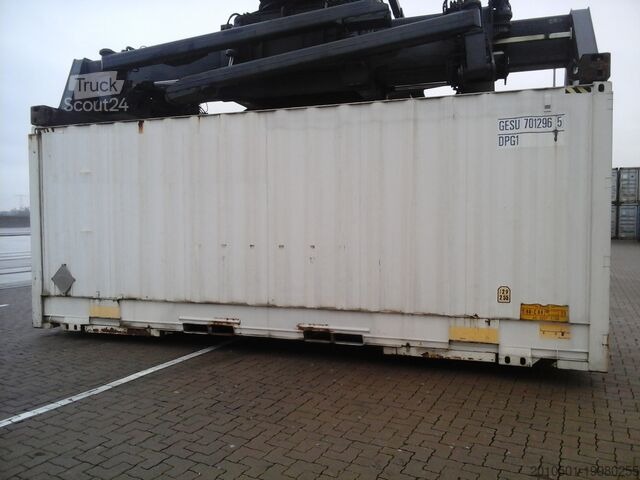
Used Freight Containers for Sale: The Complete Guide for Savvy Buyers
If you’re reading this, you’re probably hunting for a versatile, robust, and cost‑effective solution for storage, shipping, or a creative project. Used freight containers have become the go‑to “Swiss Army knife” of the logistics and construction world – and for good reason. In this guide you’ll discover what to look for, how to price‑compare, and where to find the best deals. By the time you finish, you’ll feel confident walking into a yard or browsing a website, knowing exactly what you need and how to get it.
1. Why Choose a Used Container?
| Benefit | What It Means for You | Example Use‑Case |
|---|---|---|
| Cost Savings | A new 40‑ft container can cost $3,500–$5,500; a used one often sells for 40‑60 % of that price. | You need a 20‑ft storage unit for a warehouse and can save $2,000 by buying used. |
| Immediate Availability | Used containers are constantly in rotation, so you can often pick one up within days. | A construction site needs a temporary office – you can have it on‑site this week. |
| Durability Proven | Steel containers are built to survive ocean voyages, harsh weather, and heavy handling. | A rural farm uses a container as a feed shed for years without rusting. |
| Eco‑Friendly | Repurposing a container reduces steel production and landfill waste. | A startup transforms a container into an eco‑office, earning green‑certification points. |
| Customization Ready | Most used containers are already stripped of doors or windows, making modifications easier. | A pop‑up shop installs glass panels and a climate‑control system without starting from scratch. |
If those benefits line up with your goals, a used freight container could be the smartest investment you make this year.
2. Container Types & Sizes You’ll Encounter
Freight containers follow ISO standards, but the market adds a few variations. Below is a quick‑reference chart that breaks down the most common options.
| ISO Type | Length (ft) | Width (ft) | Height (ft) | Typical Internal Volume (cu ft) | Common Applications |
|---|---|---|---|---|---|
| 20‑ft Dry | 20 | 8 | 8.5 (standard) or 9.5 (high‑cube) | 1,150 – 1,250 | Small storage, portable offices |
| 40‑ft Dry | 40 | 8 | 8.5 (standard) or 9.5 (high‑cube) | 2,300 – 2,400 | Large warehouses, modular homes |
| 40‑ft High‑Cube | 40 | 8 | 9.5 | 2,700 – 2,800 | Refrigerated units, tall equipment |
| 45‑ft High‑Cube | 45 | 8 | 9.5 | 3,100 – 3,200 | Heavy‑duty industrial use |
| Open‑Top | 20 / 40 | 8 | 8.5/9.5 | Same as dry, minus roof | Bulk goods, construction materials |
| Reefer (Refrigerated) | 20 / 40 | 8 | 8.5/9.5 | Same as dry | Perishables, pharmaceuticals |
| Flat‑Rack | 20 / 40 | 8 | 8.5/9.5 | No side walls | Oversized cargo, machinery |
Tip: If you’re buying for storage or a DIY build, the 20‑ft high‑cube gives you an extra foot of height without the cost of a 40‑ft unit.
3. How to Evaluate a Used Container’s Condition
A used container can range from “pristine, freshly painted” to “weather‑worn, rust‑spotted.” The condition determines price, life expectancy, and any prep work you’ll need. Use this checklist before you sign a purchase agreement.
| Item | What to Inspect | Red Flag Indicators |
|---|---|---|
| Exterior Steel | Look for rust, dents, and corrosion on walls, roof, and corner posts. | Deep pitting, flaking paint, or visible holes. |
| Flooring | Check for water damage, cracks, and spalling concrete. | Soft spots, uneven surface, severe cracks. |
| Doors & Hinges | Open/close smoothly; inspect seals, locks, and latch mechanisms. | Bent doors, rusted hinges, broken locks. |
| Roof | Verify no leaks, inspect seams, and examine for rust patches. | Water stains inside, sagging roof panels. |
| Certification Labels | Look for CSC (Container Safety Certificate) or COC (Certificate of Conformity). | Missing or expired certifications. |
| Modifications | Evaluate any previous cuts, welds, or added structures. | Poor welds, unsealed openings, non‑ISO alterations. |
| Interior Condition | Scan for mold, mildew, or pest damage. | Strong odor, visible insects, or damp spots. |
Quick Scoring System
- A (Excellent) – No visible issues; comes with a current CSC.
- B (Good) – Minor cosmetic rust, doors work fine; may need repainting.
- C (Fair) – Noticeable rust, floor cracks; expect repair costs.
- D (Poor) – Major structural damage; consider a rebuild or avoid.
Assign a letter after the inspection; this will help you compare offers objectively.
4. Pricing Landscape – What Should You Expect?
Below is a snapshot of average US market prices for used containers in 2024, broken down by size, condition, and type. Prices vary by region, demand, and seller (dealer vs. private owner). Use this as a benchmark, then negotiate based on the condition score you assigned.
| Size | Condition | Typical Price Range (USD) | Notes |
|---|---|---|---|
| 20‑ft Dry (Standard) | A | $1,800 – $2,400 | Freshly painted, CSC valid 3 years. |
| 20‑ft Dry (Standard) | B | $1,400 – $1,800 | Minor surface rust; may need a coat of paint. |
| 20‑ft Dry (Standard) | C | $1,000 – $1,400 | Floor cracks, rust patches. |
| 40‑ft Dry (Standard) | A | $3,200 – $4,200 | Ideal for large storage or conversion projects. |
| 40‑ft Dry (Standard) | B | $2,400 – $3,200 | Cosmetic rust; good structural integrity. |
| 40‑ft High‑Cube | B | $2,800 – $3,600 | Extra height; popular for portable offices. |
| 40‑ft Reefer | A | $5,000 – $6,500 | Includes functional refrigeration unit. |
| 45‑ft High‑Cube | B | $4,200 – $5,200 | Premium length for heavy‑duty use. |
| Open‑Top 20‑ft | B | $1,500 – $2,000 | Roof removed; ideal for bulk loading. |
Negotiation Tips
- Bundle – Buying two or more containers often nets a 5‑10 % discount.
- Ask for Delivery – Some sellers will include transport within a 50‑mile radius.
- Check for Overstock – Shipping yards sometimes liquidate surplus containers at rock‑bottom prices.
5. Where to Find Used Freight Containers
| Source | Pros | Cons | Typical Price Variation |
|---|---|---|---|
| Specialty Dealers | Certified inspections, warranties, financing options. | Slightly higher price; minimum order quantity. | +5‑15 % above market average. |
| Port Yards & Shipping Lines | Massive inventory, bulk discounts, direct from source. | May need to arrange your own transport; limited condition info. | -10‑20 % if you handle logistics. |
| Online Marketplaces (e.g., eBay, Craigslist, ContainerHub) | Wide geographic reach, quick browsing. | Variable seller reliability; risk of scams. | Anywhere from market low to high. |
| Auctions (Government surplus, bankruptcy sales) | Potential for deep discounts. | Uncertainty about exact condition; competition can drive price up. | -15‑30 % if you win at low bid. |
| Local Construction & Demolition Sites | Often have containers that were used on‑site and are being discarded. | Limited selection; may need to negotiate with contractors. | Comparable to market low. |
Step‑by‑Step Buying Process
- Define Your Requirements – Size, condition, and any special features (doors, ventilation).
- Collect Quotes – Reach out to at least three sources; request photos and CSC copies.
- Schedule an Inspection – If possible, see the container in person.
- Negotiate – Use the price table and condition score as leverage.
- Arrange Transport – Many dealers offer flat‑rate delivery; otherwise obtain a local hauler quote.
- Finalize Paperwork – Ensure you receive a bill of sale, transfer of ownership, and any warranty documents.
6. From Container to Custom Space: Modification Checklist
If you plan to convert the container into a shop, office, or tiny home, the following checklist will keep the project on track.
- Structural Integrity Check – Verify that any cuts (windows, doors) don’t compromise strength.
- Insulation Decision – Spray foam, rigid board, or blanket insulation depending on climate.
- Ventilation & HVAC – Install roof vents, fans, or a mini‑split system to prevent condensation.
- Electrical Wiring – Follow NEC (National Electrical Code) standards; professional installation recommended.
- Plumbing (if needed) – Use corrosion‑resistant PEX pipes; add a small water tank if off‑grid.
- Flooring Finish – Epoxy coating, interlocking tiles, or reclaimed wood for aesthetics.
- Exterior Paint – Choose marine‑grade epoxy paint for durability.
- Security Features – Reinforced locks, alarm system, and motion‑sensor lighting.
A well‑planned modification not only improves usability but also adds resale value should you ever decide to sell the unit.
7. Frequently Asked Questions (FAQ)
Q1: How long does a used container typically last?
A: With proper maintenance, a steel container can easily exceed 30 years. The roof and floor are the most vulnerable parts; regular inspections and repainting keep them in good shape.
Q2: Do I need a permit to place a container on my property?
A: It depends on local zoning and building codes. Many municipalities require a building permit for permanent placement, especially if you plan to inhabit or use it as a workspace. Always check with your city’s planning department.
Q3: Can I transport a container yourself, or do I need a professional?
A: Transporting a 40‑ft container typically requires a heavy‑duty trailer and a truck with a suitable payload rating (≈ 15‑20 tons). If you lack the equipment, hiring a certified hauler is safer and often more cost‑effective.
Q4: What’s the difference between a “CSC” and a “COC”?
A: CSC (Container Safety Certificate) confirms the container meets ISO safety standards for transport. COC (Certificate of Conformity) indicates the container was built to meet specific regulatory requirements. Both are useful for resale and compliance.
Q5: Are used refrigerated containers (reefers) reliable?
A: Yes, as long as the refrigeration unit has been serviced and the coolant system is leak‑free. Request service logs and a functional test before purchase.
Q6: How do I protect a container from rust in a coastal environment?
A: Choose a container with a corrosion‑resistant coating (e.g., zinc‑rich primer) and apply a marine‑grade topcoat. Install a drip edge on the roof and keep the container elevated from direct ground contact.
Q7: Can I stack containers for extra height?
A: ISO containers are engineered to be stacked up to nine units high when placed on a certified chassis. If stacking on the ground, ensure a level foundation and verify load capacity (≈ 2,500 kg per corner post for a 20‑ft unit).
8. Bottom Line – Your Next Move
You now have a full toolbox: a clear understanding of container types, a practical condition checklist, a realistic pricing guide, and a roadmap for where to source and how to customize your used freight container.
Take Action Today
- Write down your exact specs – size, condition, any extra features.
- Reach out to three different sellers – ask for photos, CSC, and recent inspection reports.
- Schedule at least one in‑person inspection – trust your eyes more than pictures.
- Negotiate using the tables above – reference the price ranges and condition grades.
- Plan your transport and any modifications – the sooner you have a concrete plan, the smoother the purchase will go.
Whether you’re a small business owner needing inexpensive storage, an architect seeking a structural shell for a pop‑up café, or a hobbyist turning steel into a backyard studio, a used freight container offers a solid foundation at a fraction of the cost of new construction.
Happy hunting, and may your next container be the perfect fit for your vision!