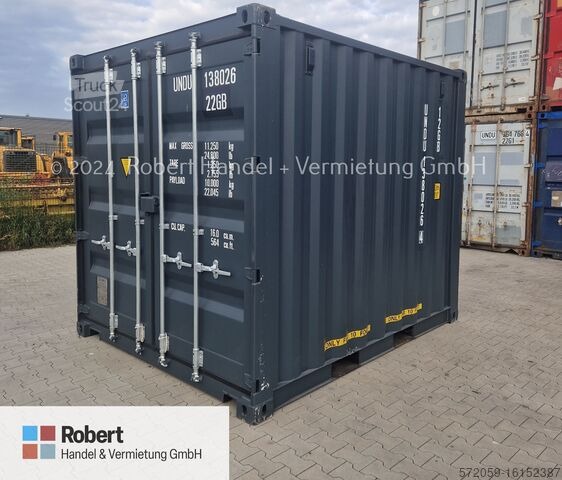
The 20‑Foot Shipping Container: Your Complete Guide to Buying, Using, and Customising One of the Most Versatile Storage Solutions
If you’ve ever stood in a yard full of metal boxes and wondered which one would be the best fit for your project, the 20‑foot container (often shortened to “20‑ft container”) is probably the first you’ll think of. At roughly the size of a small moving van, it packs a surprising amount of flexibility into a compact, weather‑proof package. In this post we’ll walk you through everything you need to know—from the exact dimensions and load limits to the smartest ways to customise it for a home office, pop‑up shop, or even a tiny living space.
Below you’ll find tables, checklists, and a handy FAQ that will help you decide whether a 20‑ft container is the right solution for you, and how to get the most out of it.
1. Why a 20‑Foot Container?
| Feature | What It Means for You |
|---|---|
| Standard size | 20 ft (6.1 m) long, 8 ft (2.44 m) wide, 8.5 ft (2.59 m) high (standard) or 9.5 ft (2.90 m) high (high‑cube). |
| Weight capacity | 30,480 lb (13,840 kg) Gross Weight; 24,000 lb (10,886 kg) payload (what you can actually load). |
| Portability | Can be shipped by sea, rail, or road; most carriers have dedicated slots for 20‑ft units. |
| Cost‑effective | Roughly 30‑40 % cheaper than a 40‑ft container for the same footprint, while still offering ample space. |
| Regulation‑ready | Meets ISO 668 standards, making it easy to move across borders without special permits (aside from weight limits). |
A 20‑ft container strikes a sweet spot: large enough to hold a full‑size sofa, a small workshop, or 1,200 lb of inventory, yet small enough to fit into tight urban lots or be lifted by a standard crane.
2. Technical Specs at a Glance
| Specification | Standard (8′5″) | High‑Cube (9′6″) |
|---|---|---|
| External Length | 20 ft 0 in (6,058 mm) | Same |
| External Width | 8 ft 0 in (2,438 mm) | Same |
| External Height | 8 ft 5 in (2,591 mm) | 9 ft 6 in (2,896 mm) |
| Internal Length | 19 ft 4 in (5,898 mm) | Same |
| Internal Width | 7 ft 8 in (2,352 mm) | Same |
| Internal Height | 7 ft 9 in (2,393 mm) | 8 ft 10 in (2,698 mm) |
| Door Opening | 7 ft 8 in × 7 ft 10 in (2,340 × 2,380 mm) | Same |
| Tare Weight | ~4,800 lb (2,177 kg) | ~5,000 lb (2,268 kg) |
| Maximum Gross Weight | 30,480 lb (13,840 kg) | Same |
| Payload Capacity | 24,000 lb (10,886 kg) | Same |
| Material | Corten steel (weather‑resistant) | Same |
| Insulation (optional) | None / PVC / Polyiso | Same |
Quick tip: If you plan to use the container as a workspace or living area, the high‑cube version gives you roughly 8 sq ft (0.75 m²) extra headroom—a noticeable comfort boost.
3. Common Uses – A Checklist
Below is a quick‑scan list of the most popular ways people repurpose a 20‑ft container. Tick the boxes that apply to your project, then read on for the next steps.
- Storage – Seasonal gear, tools, inventory, documents.
- Mobile Office – Turnkey workstations with power, lighting, and climate control.
- Retail Pop‑up – Boutique shopfronts, food trucks, or exhibition stalls.
- Workshop – Small CNC machine, woodworking bench, or metal‑fabrication hub.
- Housing – Tiny home, guest cottage, or student dorm unit (requires interior build‑out).
- Agricultural – Grow‑room, seed storage, or livestock shelter.
- Emergency Shelter – Rapid‑deployment housing after natural disasters.
4. How to Choose the Right 20‑Foot Container
4.1. New vs. Used
| Factor | New Container | Used Container |
|---|---|---|
| Cost | $2,500‑$4,000 (bare shell) | $1,200‑$2,500 (depends on condition) |
| Warranty | Usually 1‑2 years | None (unless broker offers) |
| Condition | Spot‑free, no dents, no rust | May have dents, rust patches, or previous modifications |
| Delivery Time | 2‑4 weeks (factory to port) | Often available for same‑day pickup locally |
If you plan a high‑visibility project (retail or housing), a new container may be worth the premium for pristine aesthetics and a warranty. For simple storage or a workshop, a well‑maintained used unit can save you a lot of money.
4.2. Standard vs. High‑Cube
- Standard (8′5″) – Best when you need a low profile (e.g., fitting under a low ceiling or loading dock).
- High‑Cube (9′6″) – Ideal for interior build‑outs where standing height matters, such as a tiny home or a workshop with tall equipment.
4.3. Door Configuration
Most 20‑ft containers feature a single double‑door on one end. If you need extra access points, consider:
- Side door kits (cut into the side wall).
- Rear roll‑up doors (useful for loading large pallets).
These modifications add cost (typically $600‑$1,200) and may affect the ISO certification, so verify with your shipping provider.
5. Step‑by‑Step: Turning a 20‑ft Container into a Functional Space
Below is a condensed roadmap that you can follow whether you’re building a storage shed or a full‑blown tiny home.
- Define Your Use‑Case – Write down square footage needed, load weight, climate requirements, and any utilities (electricity, water, HVAC).
- Select the Container – Choose new vs. used, standard vs. high‑cube, and door configuration.
- Inspect & Clean – For used units, look for structural rust, water damage, and ensure the doors lock securely.
- Plan Modifications – Sketch a floor plan. Decide where windows, insulation, ventilation, and interior walls go.
- Obtain Permits – Many municipalities treat containers as “accessory structures,” but you may need a building permit, especially for habitable spaces.
- Hire Professionals (or DIY) – Structural cuts (e.g., for windows) often require a certified welder. Electrical and plumbing work must follow local code.
- Insulate & Seal – Spray‑foam or rigid board insulation is common; seal all seams with EPDM rubber to prevent condensation.
- Install Interior Finishes – Plywood walls, flooring, and ceiling panels give a finished look. Add lighting, outlets, and HVAC as needed.
- Exterior Treatment – Paint with marine‑grade coating, add a roof over‑hang, and install a secure lock system.
- Delivery & Placement – Use a crane or forklift to position the container on a level foundation (concrete slab, steel pads, or compacted gravel).
6. Cost Breakdown – What to Expect
| Item | Typical Price Range (USD) |
|---|---|
| Bare 20‑ft container (new) | $2,500 – $4,000 |
| Bare 20‑ft container (used) | $1,200 – $2,500 |
| High‑cube surcharge | +$300 – $600 |
| Delivery within 100 mi | $300 – $800 |
| Side door conversion | $600 – $1,200 |
| Insulation (spray‑foam, 20 ft) | $800 – $1,500 |
| Interior build‑out (basic) | $2,500 – $5,000 |
| Electrical & lighting | $500 – $1,200 |
| HVAC (mini‑split unit) | $700 – $1,300 |
| Paint & exterior coating | $400 – $800 |
| Total (basic office) | $6,800 – $12,200 |
Numbers are averages for the United States in 2024; prices vary by region and supplier.
7. Pros & Cons – Quick Reference
| Advantages | Disadvantages |
|---|---|
| Compact footprint – Fits into tight urban lots. | Limited width – Only 8 ft, may require extra clearance for doors. |
| Durable steel shell – Resists weather, fire, and tampering. | Thermal conductivity – Metal can get hot or cold without proper insulation. |
| Standardized for transport – Easy to ship internationally. | Interior volume – About 1,170 ft³ (33 m³), less than a typical residential garage. |
| Customisable – Cutouts, mezzanines, shelving, etc. | Regulatory hurdles – Building codes may apply for habitable use. |
| Cost‑effective – Cheaper than building a conventional structure of similar size. | Aesthetic – Raw steel may not suit all design tastes without a finish. |
8. Frequently Asked Questions (FAQ)
Q1: Can I stack two 20‑ft containers on top of each other?
A: Yes, containers are designed to be stacked up to 9 units high when placed on a proper foundation. However, you’ll need a certified “stacking kit” and a crane with sufficient capacity. For a residential conversion, stacking is rarely necessary and may require additional structural reinforcement.
Q2: How much weight can I put on the floor?
A: The floor’s load‑bearing capacity is about 5,000 lb (2,270 kg) concentrated over any 1 sq ft area. Distribute heavy items across the floor or add internal steel joists if you plan to place a heavy machine.
Q3: Do I need a permit to place a container on my property?
A: It depends on local zoning laws. Many cities treat a 20‑ft container as an “accessory structure,” which may require a building permit if you intend to live or work inside. Always check with your municipality before purchasing.
Q4: How do I prevent condensation inside the container?
A: Proper insulation and a vapor barrier are key. Spray‑foam insulation creates an airtight seal, while EPDM sealant around doors and windows blocks moisture. Adding a small dehumidifier or ventilation fan can further reduce condensation.
Q5: What is the lifespan of a 20‑ft container?
A: With regular maintenance—painting, rust removal, and sealant renewal—a steel container can last 30 years or more. In harsh coastal environments, consider a marine‑grade coating to extend life.
Q6: Can I transport a container on a standard trailer?
A: Yes, but you’ll need a container chassis or a flatbed trailer rated for the container’s weight. Most freight companies provide the necessary equipment for a reasonable fee.
Q7: Is it possible to add windows?
A: Absolutely. Most manufacturers sell pre‑fabricated window kits that fit into standard C‑channel frames. Custom windows require a professional cutting and welding service, followed by proper sealing.
Q8: How much does a container cost if I need it modified before delivery?
A: Most suppliers offer “ready‑to‑use” packages that include side doors, insulation, and interior fittings. Expect a 25‑35 % price increase over the base unit for a fully fitted office or shop.
9. Real‑World Examples – Inspiration in Action
- Urban Micro‑Office (Seattle, WA) – A startup converted a high‑cube 20‑ft container into a sleek office with glass side panels, a rooftop solar array, and a compact kitchenette. Cost: $9,800.
- Mobile Bike Repair Shop (Portland, OR) – A mechanic installed a service counter, tool wall, and a roll‑up rear door for easy bike loading. Total spend: $6,200.
- Tiny Home (Austin, TX) – A couple built a 20‑ft high‑cube cottage with lofted sleeping area, composting toilet, and off‑grid solar power. Total cost: $12,500 (including foundation).
These examples show the range of possibilities—from a simple storage shed to an autonomous tiny home—thanks to the container’s modular nature.
10. Final Thoughts
A 20‑foot shipping container is more than just a metal box—it’s a versatile canvas that can become a secure storage unit, a portable office, a pop‑up boutique, or even a cozy tiny house. By understanding the specifications, evaluating the cost versus benefit, and following a systematic build‑out process, you can harness this globally recognised standard to solve a multitude of space challenges.
Take a moment now to answer the checklist above, sketch a rough floor plan, and reach out to a reputable supplier. Whether you’re an entrepreneur needing a rapid‑deployment storefront or a homeowner looking for an affordable shed, the 20‑ft container could be the most practical—and stylish—solution you’ve been waiting for.
Ready to get started?
- Search for local dealers – Use terms like “20 ft container for sale near me.”
- Request a quotation – Include any desired modifications (high‑cube, side doors, insulation).
- Plan your site – Confirm foundation, utilities, and permit requirements.
Your next project is just a container away. Happy building!