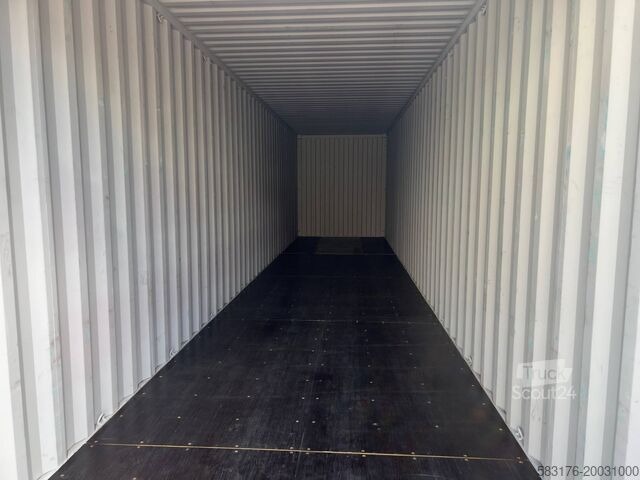
Shipping Containers for Sale Near Me – Your Complete Guide to Finding, Buying, and Using a Container
If you’ve ever typed “shipping containers for sale near me” into a search engine, you already know why the market is booming. From pop‑up cafés and backyard offices to affordable storage solutions and even tiny homes, a steel container can be the versatile workhorse you didn’t realize you needed.
In this post you’ll discover:
- Where to look for local containers and how to compare offers quickly.
- What types of containers exist, and which one fits your project.
- The step‑by‑step process of buying, delivering, and setting up a container.
- Key cost factors so you can budget with confidence.
- A handy FAQ that clears up the most common doubts.
All of this is written in a second‑person voice—because you’re the one making the decision, and we want you to feel fully equipped to act.
1. Why Buy a Shipping Container Close to Home?
Quick Turnaround
When you find a container “near me,” the delivery distance is short, which usually translates into faster shipping (often within 24‑48 hours) and lower transport fees.
Lower Hidden Costs
Local sellers are more likely to inspect the unit in person, provide transparent condition reports, and avoid surprise fees such as interstate permits, extra fuel surcharges, or long‑haul insurance.
Community Support
Buying locally often means you’re supporting a regional business—whether that’s a container yard, a construction firm that repurposes containers, or a recycling depot. In many cases you can even negotiate a trade‑in or a discount for bulk purchases.
2. Types of Shipping Containers You’ll Encounter
| Container Type | Typical Dimensions (L × W × H) | Weight (Empty) | Common Uses | Price Range (USD) |
|---|---|---|---|---|
| Standard 20‑ft Dry | 20 ft × 8 ft × 8.5 ft | 4,800 lb | Storage, small workshops, pop‑up shops | $1,500 – $3,500 |
| Standard 40‑ft Dry | 40 ft × 8 ft × 8.5 ft | 8,200 lb | Large warehouses, modular homes, offices | $2,500 – $5,500 |
| High‑Cube 40‑ft | 40 ft × 8 ft × 9.5 ft | 8,600 lb | Mobile labs, tall equipment rooms | $3,200 – $6,800 |
| Reefer (Refrigerated) | 20 ft × 8 ft × 8.5 ft | 5,500 lb | Cold‑storage, food trucks, medical supplies | $4,000 – $7,500 |
| Open‑Top | 20 ft × 8 ft × 8.5 ft (no roof) | 4,900 lb | Heavy machinery loading, construction sites | $2,200 – $4,500 |
| Side‑Door (Roll‑Door) | 20 ft × 8 ft × 8.5 ft | 4,800 lb | Easy loading of large items, workshops | $2,000 – $4,000 |
Quick tip: If you need interior height for standing work (e.g., a home office), the high‑cube 40‑ft container gives you an extra foot of headroom without increasing the footprint.
3. Where to Search for a Container “Near Me”
- Online Marketplaces – Websites such as eBay, Craigslist, and Facebook Marketplace often list local containers from private owners and small dealers. Filter the results by zip code or set a radius (e.g., 50 mi) to keep the search local.
- Specialized Container Brokers – Companies like ContainerLot, SeaBox, and PalletConnect have dealer networks that let you request a “local quote” by entering your city or ZIP. They typically provide condition photos, ISO numbers, and load‑list details.
- Port Authority Yards – Many coastal and inland ports have “surplus container” programs. Contact the port’s leasing or logistics office; they can direct you to nearby yards that sell or rent containers at wholesale rates.
- Construction and Demolition Sites – Builders often discard used containers after a project. A quick call to a local contractor can uncover a hidden gem for a fraction of the market price.
- Recycling/Metal Salvage Facilities – These places scrap damaged containers, but many still have solid frames and roofs. If you’re comfortable with a bit of renovation, you may score a bargain.
Checklist for Vetting a Local Supplier
- ISO Certification – Verify the container’s ISO 668 standard number.
- Condition Report – Look for a “CSC” (Container Safety Certificate) or a third‑party inspection report.
- Delivery Options – Ask whether they provide a crane, forklift, or trailer, and what the cost is.
- Return Policy – Some sellers accept returns within a short window if the container is not as described.
- Payment Terms – Cash, credit, or financing? Local dealers often accept PayPal or ACH transfers for faster processing.
4. Step‑by‑Step: Purchasing Your Container
Below is a streamlined workflow that takes you from “search” to “live in your new steel space.”
| Step | What You Do | Why It Matters |
|---|---|---|
| 1️⃣ Define Purpose | Write down the exact use (storage, office, home, etc.). | Determines size, modifications, and budget. |
| 2️⃣ Set Budget | Include container price, delivery, site prep, and interior finish. | Prevents surprise costs later. |
| 3️⃣ Search Locally | Use the channels listed above, applying filters for distance and price. | Guarantees faster delivery and lower transport fees. |
| 4️⃣ Inspect & Verify | Request photos, condition reports, and ask for a live video walkthrough. | Ensures you avoid rust, dents, or missing parts. |
| 5️⃣ Negotiate Terms | Ask about discounts for cash payment or bulk orders, and confirm delivery timeline. | You can often shave 5‑10 % off the list price. |
| 6️⃣ Arrange Delivery | Provide clear coordinates, ground‑level access, and a contact for the driver. | Smooth delivery prevents damage or extra charges. |
| 7️⃣ Site Preparation | Level the ground, add a concrete pad or crushed stone, and plan utilities. | A stable base extends container lifespan and eases anchoring. |
| 8️⃣ Modify (Optional) | Add windows, doors, insulation, or ventilation. Many local contractors specialize in container conversions. | Converts a raw shell into a functional space. |
| 9️⃣ Final Inspection | Walk through the finished unit, check for leaks, door alignment, and structural integrity. | Guarantees you get what you paid for. |
| 🔟 Enjoy! | Move in, store, or start operating your new container‑based business. | The payoff of a well‑executed purchase. |
5. Cost Breakdown—What You’ll Actually Pay
Below is a realistic example of a 40‑ft high‑cube container bought from a local dealer in the Midwest. Prices vary by region, condition, and market demand.
| Item | Estimated Cost (USD) | Notes |
|---|---|---|
| Base Container (40‑ft high‑cube, used, CSC‑certified) | $3,500 | Mid‑grade condition, minor surface rust |
| Delivery (30 mi) | $750 | Includes crane lift and trailer |
| Site Prep (gravel pad, leveling) | $600 | 10 × 10 ft pad, DIY labor possible |
| Modifications (insulation, interior walls, electrical) | $2,200 | Basic 2‑in‑1 spray foam, LED lighting |
| Permits (local building, zoning) | $300 | Varies by municipality |
| Total Approx. | $7,350 | 5‑year amortized cost ≈ $1,470 per year |
Tip: If you can perform some modifications yourself (e.g., painting, installing shelving), you can easily shave $500‑$1,000 off the total.
6. Frequently Asked Questions
Q1: Do I need a special license to drive a container?
A: No. The container is never driven on its own; it’s loaded onto a trailer that is pulled by a standard truck. As long as the trucking company holds a commercial driver’s license (CDL), you’re covered.
Q2: Can I place a container on my residential property?
A: Generally yes, but you must check local zoning ordinances and HOA rules. Some municipalities require a building permit if you intend to make permanent modifications.
Q3: How long will a used container last?
A: A well‑maintained steel container can surpass 30 years. The key is protecting it from prolonged exposure to moisture and corrosion—regular painting or a rust‑inhibiting coating helps.
Q4: What’s the difference between a “dry container” and a “reefer”?
A: Dry containers are standard, non‑insulated units used for general cargo. Reefers have built‑in refrigeration units, thicker insulation, and require power to maintain temperature.
Q5: Is it cheaper to rent a container than to buy one?
A: For short‑term projects (less than six months), renting often saves money because you avoid delivery, setup, and resale risk. For long‑term or permanent use, buying is generally more cost‑effective.
Q6: Can I stack containers on top of each other?
A: Yes. Shipping containers are designed to be stacked up to 9 units high in a container yard. For on‑site stacking, you’ll need a reinforced foundation and professional engineering approval.
Q7: Do containers come with electricity?
A: No. They are delivered as empty shells. However, many local contractors can wire a container for standard 120/240 V service, and some dealers offer “pre‑wired” options.
Q8: How do I prevent condensation inside the container?
A: Insulating the walls and installing proper ventilation (passive vents or a small HVAC unit) reduces temperature differentials that cause moisture build‑up.
7. Quick‑Start Checklist (Print‑Friendly)
- Define use case (office, storage, home, shop)
- Measure the space where the container will sit
- Set a budget including delivery & modifications
- Search local listings (online marketplaces, brokers, ports)
- Request condition reports & CSC certification
- Negotiate price & delivery terms
- Arrange site prep (level ground, foundation)
- Schedule delivery (confirm access & crane need)
- Plan modifications (insulation, doors, windows)
- Obtain permits (building, zoning)
- Inspect final product before signing off
8. Final Thoughts
Finding a shipping container near you isn’t just about convenience—it’s a strategic move that can shave weeks off your timeline and dollars off your budget. By focusing on local suppliers, you gain transparency, faster delivery, and often a partner who can help you customize the container to fit your exact needs.
Remember: the container itself is only the starting point. Your vision—whether that’s a sleek roadside café, a secure storage vault, or a compact, eco‑friendly tiny home—will be realized through thoughtful planning, proper site preparation, and quality modifications.
So go ahead, pull up those local listings, grab a coffee, and start sketching how a steel box can become the centerpiece of your next project. The perfect container for your needs is probably just a few miles away, waiting to be transformed. Happy hunting!