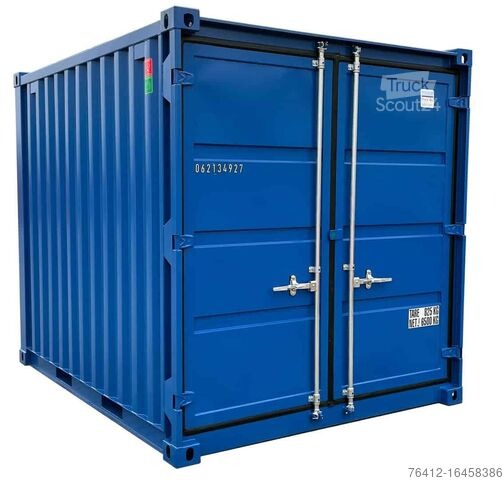
How Much Does a Second‑Hand 20 ft Container Cost in the UK?
If you’re planning a DIY storage solution, a pop‑up shop, or a small‑scale warehouse, a 20 ft shipping container is often the most practical choice. But before you sign a contract, you need a clear picture of what you’re actually paying for. In this post we’ll break down the current market price of second‑hand 20 ft containers in the UK, explain why prices vary, and give you a step‑by‑step checklist so you can buy with confidence.
1. The Big‑Picture Price Range
| Condition | Typical Price (GBP) | What You Get | Typical Sources |
|---|---|---|---|
| Good – “One‑Trip” (single‑use, minimal wear) | £1,200 – £1,800 | Clean interior, no dents, fresh paint, roof & floor intact | Specialist dealers, online marketplaces |
| Fair – “Two‑Trip” (used twice, minor dents) | £950 – £1,250 | Minor dents, possible rust spots, interior may need cleaning | Container yards, auction houses |
| Poor – “Three‑Trip+” (multiple re‑uses) | £600 – £900 | Significant dents, rust, may need repairs or repainting | Bulk sellers, scrap yards |
| Refurbished (ISO‑Certified) | £1,500 – £2,200 | Fully patched, re‑painted, tested for structural integrity, optional doors/windows | Certified refurbishers, specialist importers |
Quick tip: Prices fluctuate seasonally. Demand spikes in spring when construction projects ramp up, pushing prices 5‑10 % higher. In winter you can often negotiate a discount of up to 15 %.
2. What Drives the Price?
You might wonder why two containers that look identical on the outside can have a £400 price gap. The answer lies in a handful of measurable factors:
| Factor | How It Affects Cost |
|---|---|
| Age & Usage | Older containers have more wear, corrosion, and may need structural repairs – raising the price of refurbishment. |
| Condition Rating | “One‑trip” containers are marketed as near‑new, commanding a premium. |
| Location | Containers stored in major ports (Felixstowe, Southampton) usually cost more due to higher logistics fees. |
| Supply Chain | Post‑Brexit customs duties and transport bottlenecks have added £50‑£150 per unit to the overall cost. |
| Modifications | Adding ventilation, windows, or side doors is a value‑added service that can add £200‑£500. |
| Certification | ISO‑certified containers (tested for structural integrity) command higher resale values. |
| Delivery Option | Door‑to‑door delivery vs. collection from the yard can add £100‑£300. |
3. New vs. Used – Is a Second‑Hand Container Worth It?
| Feature | New 20 ft Container | Second‑Hand 20 ft Container |
|---|---|---|
| Base Price | £2,200 – £2,800 | £600 – £2,200 |
| Warranty | Usually 12‑month manufacturer warranty | Typically none, unless refurbished |
| Condition | Pristine, no rust, brand‑new paint | Variable – depends on condition |
| Lead Time | 2‑4 weeks (plus transport) | Immediate availability in many yards |
| Customization | Often available from the factory | Usually added post‑purchase, at extra cost |
| Total Cost of Ownership (5 years) | Higher upfront, lower maintenance | Lower upfront, potential repair expenses |
Bottom line: If you need a container quickly for a modest budget, a good‑condition second‑hand unit is the sweet spot. If you require guaranteed structural integrity for a high‑risk application (e.g., offshore storage), the extra cost of a new or ISO‑certified refurbished unit may be justified.
4. Where to Find Second‑Hand 20 ft Containers in the UK
| Platform | Pros | Cons |
|---|---|---|
| Specialist Container Dealers (e.g., Container Sales Ltd, Big Box Containers) | Transparent condition grading, optional delivery, after‑sales support | Slightly higher than bulk yard prices |
| Online Marketplaces (e.g., eBay, Gumtree, TradeMe) | Wide price range, quick negotiations | Limited guarantees, need to verify condition yourself |
| Container Yards (e.g., Southampton Port, Tilbury) | Bulk buying discounts, direct access to containers stored on‑site | May require you to handle transport logistics |
| Auctions (e.g., Bonhams, local auction houses) | Potential for steep discounts | Competitive, condition can be unpredictable |
| Refurbishers (e.g., Container Solutions, RWE) – ISO‑Certified | Certified quality, optional modifications | Premium pricing, longer lead time |
5. Checklist – How to Ensure You Get a Good Deal
- Define Your Use‑Case
- Indoor storage, outdoor yard, or a converted shop?
- Required load‑bearing capacity (20 ft containers are rated ~25 t gross weight).
- Inspect the Exterior
- Look for rust patches, dents, and damaged corners.
- Check the condition of doors, hinges, and the locking mechanism.
- Inspect the Interior
- Verify the floor is intact (no broken joists).
- Ensure the interior is clean and free of hazardous residues.
- Ask for a Condition Grade
- Most reputable sellers use a 1‑5 rating system.
- Request photos of all sides, interior, and the roof.
- Confirm Structural Certification
- For high‑load applications ask for an ISO 1496‑2 inspection report.
- Get a Quote that Includes Delivery
- Ask for a “door‑to‑door” price versus “yard‑pick‑up”.
- Compare multiple logistics providers.
- Check the Return/Refund Policy
- Some dealers allow a 7‑day inspection period after delivery.
- Negotiate Add‑Ons
- Ventilation grills, side doors, or basic electrical wiring can be added for a flat rate.
- Verify the Seller’s Reputation
- Look up reviews on Trustpilot, Google My Business, or industry forums.
- Finalize a Written Contract
- Include price breakdown, delivery date, condition description, and any post‑sale services.
6. Sample Cost Breakdown (Illustrative)
Below is a realistic cost example for a “Fair” condition, one‑trip 20 ft container purchased in the Midlands and delivered to a warehouse doorstep.
| Item | Cost (GBP) |
|---|---|
| Base price (fair condition) | £1,150 |
| Delivery (30 mi, door‑to‑door) | £180 |
| VAT (20 %) | £266 |
| Optional ventilation grills | £120 |
| Inspection & certification (ISO) | £200 |
| Total | £1,916 |
Note: Prices are indicative and will vary by region and supplier.
7. Frequently Asked Questions
Q1: How long does a second‑hand container last?
A: With proper maintenance (regular cleaning, rust treatment, and roof checks), a well‑kept used 20 ft container can easily last 15‑20 years. The structural steel is designed for a 30‑year service life in normal conditions.
Q2: Do I need planning permission to place a container on my property?
A: In most English jurisdictions, a container is classified as a “temporary structure.” If it’s on private land and used for storage, you typically don’t need planning permission. However, if you intend to convert it into a habitation or commercial unit, you’ll need to apply for the appropriate permits.
Q3: Can I paint a used container myself?
A: Yes, but you should first sand down any rust, apply a rust‑inhibiting primer, and then use a marine‑grade enamel paint. This process can add £30‑£60 in material costs and a few hours of labour.
Q4: What are the most common hidden costs?
A: Delivery fees, VAT, and optional modifications (door openings, windows). Some sellers also charge a “cleaning fee” for containers that need interior washing.
Q5: Is it cheaper to buy in bulk?
A: Absolutely. Purchasing 5‑10 containers at once can shave 10‑15 % off the unit price, especially if you arrange for the seller to stack them on a single trailer and you handle the transport.
Q6: How can I check for hidden structural damage?
A: Look for visible distortion on the corners, uneven floor level, and any bulging panels. If you’re unsure, ask for a third‑party inspection or request an ISO‑certified structural report.
Q7: Are there environmental benefits to buying a second‑hand container?
A: Yes. Re‑using a container avoids the energy‑intensive production of new steel and significantly reduces waste. It’s a practical example of the circular economy in action.
8. Bottom Line – What Should You Pay?
If you’re after a solid, reliable container for general storage or a modest conversion project, aim for a “One‑Trip” or “Fair” condition container priced between £1,000 and £1,800, plus delivery and any optional upgrades.
- Budget‑tight? Target the £600‑£900 “Poor” tier, but earmark an extra £150‑£300 for repairs.
- Need certified quality? Expect £1,500‑£2,200 for ISO‑certified refurbished units.
Remember to factor in delivery, VAT, and any modifications when you compare offers – the sticker price alone can be misleading.
9. Take Action Today
- Set Your Budget – Decide how much you can spend on base price, delivery, and extras.
- Search the Market – Use at least two of the platforms in the table above to get a range of quotes.
- Inspect & Negotiate – Apply the checklist, ask for a condition grade, and see if the seller can throw in a free ventilation grill.
- Seal the Deal – Get a written contract, arrange delivery, and schedule any necessary modifications.
By following these steps, you’ll secure a second‑hand 20 ft container that fits your budget, meets your quality expectations, and arrives on time. Happy container hunting!