The Complete Guide to Buying Second‑Hand Shipping Containers
If you’ve ever imagined turning a steel box into a coffee shop, a pop‑up boutique, or extra warehouse space, you’re not alone. Shipping containers have become the go‑to building block for creative architects, savvy entrepreneurs, and cost‑conscious logistics managers. But buying a brand‑new 20‑ft or 40‑ft unit can burn a hole in your budget. That’s where second‑hand shipping containers step in.
In this post you’ll discover everything you need to know before you click “Add to Cart”:
- Why a used container might be the smarter choice
- Key factors to inspect before you sign the purchase agreement
- How to compare pricing, condition, and features in a clear table
- A step‑by‑step checklist for a hassle‑free purchase
- Frequently asked questions that clear up common doubts
Whether you’re a startup founder, a DIY‑home‑renovator, or a logistics professional looking to expand storage capacity, this guide will give you the confidence to make an informed decision.
1. Why Consider a Second‑Hand Container?
| Benefit | Explanation |
|---|---|
| Lower Cost | Used containers typically cost 30‑60 % less than brand‑new ones. A new 20‑ft box can run $3,500‑$5,500, while a decent used unit starts around $1,500. |
| Immediate Availability | High‑traffic ports and depots have a constant flow of de‑commissioned containers, meaning you can often take delivery within days, not weeks. |
| Sustainability | Re‑using steel reduces the demand for new production, cutting down carbon emissions and waste—great for green‑focused projects. |
| Built‑In Durability | Even a used container has been engineered to withstand harsh marine conditions, heavy loads, and extreme weather. |
| Customization Flexibility | Starting with a “blank canvas” lets you decide exactly how to cut doors, add insulation, or install windows without fighting a manufacturer’s specs. |
If any of these points strike a chord, a second‑hand container could be the perfect fit for your next project.
2. What to Look for Before You Buy
A used container may look solid at first glance, but hidden issues can turn a great deal into a nightmare. Below is a buy‑inspection checklist to run through either in person or via the seller’s documentation.
2.1 Structural Condition
| Item | What to Check | Red Flag |
|---|---|---|
| Exterior Rust | Look for uniform, light surface corrosion. | Deep pitting, flaking, or rust that has eaten through steel. |
| ** dents & Deformations** | Run a hand along the walls; notice any bulges or warped sections. | Large dents that compromise structural integrity. |
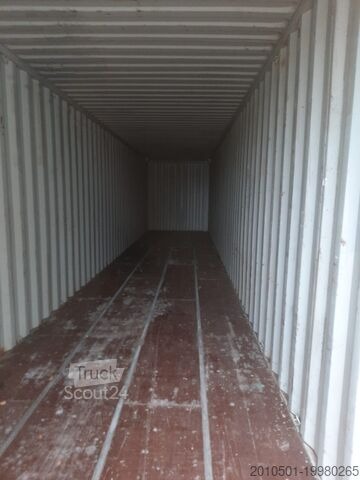
| Floor Condition | Inspect the wooden floorboards for rot, cracks, or missing planks. | Water‑logged or rotting timber, severe warping. |
| Corner Posts | Verify that all four corners are straight and firmly welded. | Misaligned or cracked corner posts. |
| Doors & Hinges | Open and close doors; test locks and seals. | Stiff hinges, broken locks, or warped doors that won’t seal. |
2.2 Certification & History
- ISO 668/ISO 1496: International standards for container dimensions and safety. Verify that the container’s plate (the metal tag welded to the side) lists the ISO numbers.
- CSC Plate (Container Safety Certificate): Shows the last safety inspection date and the container’s tare weight.
- Ownership Log: Some sellers provide a brief usage history (e.g., “used for dry cargo, never for hazardous materials”). This helps you gauge exposure to chemicals or extreme conditions.
2.3 Interior Cleanliness
Even if you plan to strip the interior, residues can affect insulation or cause odors later. Look for:
- Stale odors – May indicate previous storage of chemicals.
- Stains or residues – Check for oil, chemicals, or food spillage.
2.4 Modification History
Containers are sometimes altered for specific cargo (e.g., added ventilation, refrigerated units).
- Unapproved cuts can weaken the structure.
- Additional fittings (vents, electrical boxes) should be welded securely.
3. Pricing Snapshot – New vs. Used vs. Modified
| Container Type | Typical Size | Average New Price | Average Used Price | Typical Modification Cost |
|---|---|---|---|---|
| Standard Dry Container | 20‑ft | $3,500‑$5,500 | $1,300‑$2,200 | $500‑$1,500 (doors, windows, insulation) |
| Standard Dry Container | 40‑ft | $6,000‑$8,500 | $2,500‑$4,000 | $800‑$2,200 |
| Refrigerated (Reefer) | 20‑ft | $12,000‑$15,000 | $7,000‑$10,000 | $2,000‑$4,000 (new refrigeration unit) |
| High‑Cube Container | 40‑ft | $8,500‑$10,500 | $3,500‑$5,500 | $1,200‑$2,500 |
| Open‑Top Container | 20‑ft | $4,500‑$6,500 | $2,000‑$3,200 | $600‑$1,200 |
Numbers are averages for the U.S. market in 2024; regional variations apply.
Takeaway: Even after adding a modest $1,000‑$2,000 for interior fit‑out, a second‑hand container still offers a 30‑50 % cost advantage over a brand‑new, fully equipped unit.
4. How to Source a Reliable Second‑Hand Container
- Local Port Authorities – Many ports have “scrap yards” where containers are de‑commissioned and sold.
- Specialized Dealers – Companies such as BoxHub, ContainerOne, and regional scrap‑metal firms often certify their inventory.
- Online Marketplaces – Websites like eBay, Craigslist, and industry‑focused platforms (e.g., ContainerTrader.com) list containers with photos and specs.
- Direct Import – If you need a specific model, you can arrange a purchase directly from overseas exporters; just factor in shipping and customs fees.
When you contact a seller, ask for the following documentation:
- CSC plate copy
- Recent inspection report (if available)
- Photos of interior and exterior (including close‑ups of any damage)
- Proof of ownership or chain of custody
5. Step‑by‑Step Purchase Checklist
| Step | Action | Why It Matters |
|---|---|---|
| 1. Define Requirements | Size, condition (A‑grade vs. B‑grade), intended use (storage, office, retail). | Prevents over‑paying for features you don’t need. |
| 2. Get Multiple Quotes | Request at least three offers from different suppliers. | Enables price comparison and negotiation leverage. |
| 3. Verify Certifications | Check ISO and CSC markings; request inspection photos. | Confirms structural soundness and compliance. |
| 4. Inspect In‑Person (if possible) | Visit the storage yard, examine the container, test doors. | Spot hidden damage that photos can’t reveal. |
| 5. Negotiate Add‑Ons | Ask for free delivery, a spare door, or a discount on bulk orders. | Reduces overall project cost. |
| 6. Review Transport Logistics | Determine if you need a crane, flatbed trailer, or permits. | Avoid unexpected shipping fees and delays. |
| 7. Sign a Purchase Agreement | Include condition clause, delivery timeline, and warranty (if any). | Protects you legally if the container arrives damaged. |
| 8. Arrange Delivery & Inspection | Have a qualified person sign off on receipt. | Guarantees you receive what you paid for. |
| 9. Plan Modifications | Draft a layout for windows, insulation, electrical. | Streamlines the conversion phase. |
| 10. Register the Container | Update the CSC plate with your ownership details (optional). | Helpful for insurance and resale later. |
Following this roadmap reduces risk and makes the buying experience as smooth as rolling a container onto the dock.
6. Common Uses for Second‑Hand Shipping Containers
- Pop‑up Retail Stores – Fast setup, eye‑catching industrial aesthetic.
- Micro‑Warehouses – Satellite storage for e‑commerce fulfillment.
- Office Pods – Insulated, sound‑proofed workspaces for remote teams.
- Housing & Guest Suites – Affordable, modular dwellings with interior finishes.
- Creative Studios – Artists, musicians, and makers appreciate the rugged shell.
Because the containers are steel‑boxed, they’re also ideal for secure storage of tools, documents, or high‑value inventory.
7. Frequently Asked Questions (FAQ)
Q1: Is a second‑hand container safe for food‑related businesses?
A: Yes, provided the container is clean, rust‑free, and has never stored hazardous chemicals. You’ll still need to line the interior with food‑grade stainless steel or approved panels and obtain the appropriate health permits.
Q2: How long does a used container typically last?
A: With proper maintenance (regular cleaning, rust treatment, and roof inspection) a steel container can exceed 30‑40 years. The lifespan is more limited by the condition of the wooden floor and any modifications you add.
Q3: Do I need a permit to place a container on my property?
A: It depends on local zoning laws. Many municipalities treat containers as accessories similar to sheds, but you may need a building permit if you’re modifying the structure or using it as a dwelling. Always check with your city’s planning department.
Q4: Can I paint the exterior without compromising structural integrity?
A: Absolutely. Use a marine‑grade, rust‑inhibiting primer followed by an oil‑based or acrylic enamel designed for metal. This not only improves aesthetics but also extends the container’s life.
Q5: What’s the difference between “A‑grade” and “B‑grade” containers?
A: A‑grade containers are in excellent condition—no major dents, clean interior, and a valid CSC plate. B‑grade units may have minor cosmetic damage, some rust, or a missing CSC plate but are still structurally sound. Pricing reflects this difference.
Q6: Is it worth buying a container with an existing roof hatch?
A: If your project requires ventilation or easy loading, a roof hatch is a valuable feature. However, ensure the hatch is properly sealed when not in use to avoid water ingress.
Q7: How do I protect a container from theft?
A: Install high‑security bolted locks, consider a CCTV system, and use a tamper‑proof grounding plate. For high‑value inventory, a secondary lockable inner cage adds an extra layer of security.
8. Bottom Line – Make the Smart Choice
Buying a second‑hand shipping container isn’t just a cost‑saving shortcut; it’s a strategic move for anyone who values durability, sustainability, and flexibility. By understanding what to look for, how to source reliable units, and the true cost breakdown, you can turn a simple steel box into a powerhouse for your business or personal project.
Ready to start?
- Sketch out the dimensions and features you need.
- Reach out to at least three reputable dealers and request detailed photos and CSC documentation.
- Use the inspection checklist above during any site visits.
With the right knowledge, you’ll walk away with a container that fits your budget, meets your functional needs, and perhaps even becomes the centerpiece of an exciting new venture. Happy hunting!