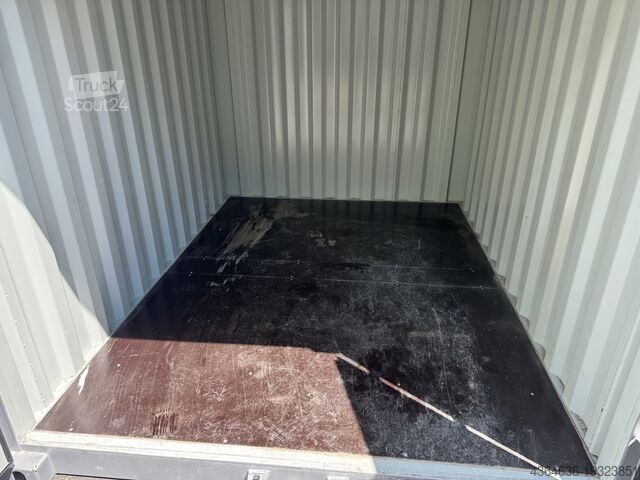
Discovering the Best Container Shops Near You: A Complete Guide
If you’ve ever walked past a sleek metal box transformed into a boutique, a coffee‑shop, or a tiny art gallery, you already know the buzz around container shops. These repurposed shipping containers are fast becoming the go‑to solution for entrepreneurs who crave flexibility, sustainability, and a standout visual identity.
In this post you’ll learn:
- What a container shop actually is
- Why it might be the perfect fit for your business
- How to locate the best container‑shop providers near you
- The key factors to evaluate before signing a contract
- Real‑world examples (with a handy comparison table)
- Frequently asked questions that clear up the most common doubts
All of this is presented in a conversational second‑person voice, so you can picture yourself taking the next step right now. Let’s dive in!
1. What Is a Container Shop?
A container shop is a retail or service space built inside a standard 20‑foot or 40‑foot shipping container, often modified with windows, doors, insulation, interior finishes, and utility hookups. The concept originated from the need to create portable, low‑cost storefronts that can be moved, stacked, or expanded as the business evolves.
| Feature | Typical Specification |
|---|---|
| Size | 20‑ft (≈ 1,200 sq in) or 40‑ft (≈ 2,400 sq in) |
| Material | Steel (Corten, galvanized, or painted) |
| Insulation | Spray‑foam, blanket, or panel insulation |
| Utilities | Electrical (110 V/220 V), water, HVAC optional |
| Customization | Exterior graphics, interior shelving, climate control, solar panels |
| Mobility | Can be lifted by a crane or forklift; some providers offer trailer‑mounted units |
These units can be used as permanent storefronts, pop‑up shops, food trucks, art installations, or even mobile offices. Because the container’s structure is already built, construction time is dramatically reduced—often from months to just a few weeks.
2. Why Choose a Container Shop for Your Business?
If you’re still on the fence, here’s a quick list of the top reasons entrepreneurs love container shops:
- Speed to market – Turnkey units can be delivered and set‑up in days.
- Cost efficiency – A 40‑ft container conversion typically ranges from $15,000‑$45,000, far less than a traditional brick‑and‑mortar build.
- Portability – Relocate or expand the shop as your market changes.
- Sustainability – Upcycling steel containers reduces waste and carbon footprint.
- Design flexibility – From minimalist industrial chic to warm, wood‑panel interiors—your brand’s aesthetic is fully customizable.
- Regulatory friendliness – Many municipalities treat containers as “temporary structures,” simplifying permits.
Think of a container shop as a blank canvas that arrives already framed, ready for you to paint your brand story onto it.
3. How to Find Container Shops Near You
Below is a step‑by‑step checklist that you can follow right now:
| Step | Action | Tips |
|---|---|---|
| 1 | Google “container shop near me” | Use location‑specific terms (e.g., “container shop Los Angeles”) for better results. |
| 2 | Check local business directories (Yelp, Yellow Pages, Thumbtack) | Look for categories such as “modular buildings,” “prefab retail,” or “shipping container conversions.” |
| 3 | Visit industry‑specific websites – e.g., ContainerStore.com, CustomsContainers.com, BoxedUpDesigns.com | Many have dealer locators or portfolios of completed projects. |
| 4 | Ask on local entrepreneur forums or Facebook groups | Community members often share vendor recommendations and real‑world experiences. |
| 5 | Contact local commercial real‑estate agents | They frequently know of suppliers who can deliver to a specific lot or shopping center. |
| 6 | Request quotes and compare – focus on price, lead time, customization options, warranty, and after‑sales support. | Create a spreadsheet to keep the data organized (see sample table below). |
| 7 | Visit showrooms or completed installations | Seeing the unit in person helps gauge build quality and finish options. |
| 8 | Verify permits and zoning with your city’s planning department before finalizing a purchase. | Some municipalities require a “temporary structure” permit even for container shops. |
4. Sample Comparison of Popular Providers (U.S. Focus)
| Provider | Headquarters | Container Sizes Offered | Avg. Turn‑around (weeks) | Base Price (USD) | Notable Projects | Warranty |
|---|---|---|---|---|---|---|
| ModularSpace Co. | Denver, CO | 20‑ft, 40‑ft, 45‑ft | 4‑6 | $18,000 (20‑ft) / $30,000 (40‑ft) | Coffee‑shop in Boulder, Pop‑up boutique in Austin | 2‑year structural |
| EcoContainer Works | Portland, OR | 40‑ft, 45‑ft | 5‑8 | $20,000 (basic) – $50,000 (lux) | Sustainable fashion outlet Seattle | 3‑year structural + 1‑year interior finish |
| BoxedUp Designs | Dallas, TX | 20‑ft, 40‑ft | 3‑5 | $15,000 (20‑ft) – $40,000 (40‑ft) | Food‑truck park Dallas, Art gallery Miami | 1‑year structural |
| SteelShop Solutions | Chicago, IL | Custom lengths (up to 60‑ft) | 6‑10 | $25,000 (custom) | Mini‑museum Chicago, Seasonal market NYC | 5‑year structural, optional service plan |
| PortCity Containers | Miami, FL | 20‑ft, 40‑ft, 45‑ft | 4‑7 | $16,000 (20‑ft) – $35,000 (40‑ft) | Beachside boutique Miami | 2‑year structural + 6‑month interior |
Pro tip: When you receive a quote, ask the provider to break down the cost into “container purchase,” “modifications,” “delivery,” and “installation.” This visibility helps you negotiate the most expensive line items.
5. What to Look for When Touring a Potential Container Shop
Before you sign a contract, walk through the unit (or a similar model) and run through this inspection list:
- Structural Integrity – Check welds, corners, and the overall flatness of the steel panels.
- Insulation & Weather‑proofing – Feel the walls for cold spots; verify that seals around doors and windows are tight.
- Ventilation & HVAC – Ensure proper airflow; ask about AC/heater capacity for your climate.
- Electrical Wiring – Confirm that the wiring meets local code (GFCI outlets, proper grounding).
- Finish Quality – Look for smooth paint, even flooring, and sturdy shelving.
- Accessibility – Door width, ramp options, and compliance with ADA (Americans with Disabilities Act) if applicable.
- Utility Hook‑ups – Verify connections for water, sewage (if needed), and power.
- Warranty Documentation – Get a written copy outlining what’s covered and the claim process.
6. Real‑World Success Stories
| Business | Location | Container Size | Concept | Key Benefit |
|---|---|---|---|---|
| BrewBox | Portland, OR | 40‑ft | Mobile micro‑brewery & taproom | Launched in 8 weeks, 30 % lower rent than a traditional space |
| Thread & Thread | Austin, TX | 20‑ft | Pop‑up vintage clothing shop | Flexibly moved between festivals, boosting seasonal sales |
| SolarTech Demo | San Diego, CA | 45‑ft | Solar‑panel showroom & workshop | Demonstrated sustainability by powering the shop with its own panels |
| Kids’ Corner | Minneapolis, MN | 40‑ft | Indoor play area for toddlers | Quick permit approval; low operating costs allowed affordable pricing |
| ArtBox Gallery | New York, NY | 40‑ft | Compact contemporary art gallery | High‑visibility on a busy street; lease‑free location via a short‑term contract |
These examples illustrate how versatile container shops can be—from food and fashion to technology and art—and how each owner leveraged the container’s portability and affordability to gain a competitive edge.
7. Frequently Asked Questions (FAQ)
Q1: Do I need a special permit to place a container shop on my property?
A: Most cities treat a container as a “temporary structure,” which typically requires a building permit and, in some cases, a zoning variance. Check with your local planning department; many municipalities have a streamlined process for container installations.
Q2: How long does it take to receive a finished container shop after I place an order?
A: Standard turnaround ranges from 3 to 8 weeks depending on size, customization level, and the provider’s workload. If you need a rush job, many vendors offer expedited builds at an additional cost.
Q3: Can I install a second floor or mezzanine inside a container?
A: Yes. A 40‑ft container can accommodate a sturdy steel mezzanine or loft, provided the internal load‑bearing capacity is calculated by an engineer. This is a popular solution for adding storage or a small office area.
Q4: What are the ongoing maintenance costs?
A: Maintenance is relatively low—mainly periodic repainting of the exterior (every 5‑7 years) and checking seals for leaks. Electrical and HVAC systems will have typical service intervals similar to any small commercial space.
Q5: Are container shops insulated enough for extreme climates?
A: With proper spray‑foam or panel insulation, containers can handle both hot and cold extremes. However, you’ll want to verify the R‑value (thermal resistance) with your provider—an R‑value of R‑21 or higher is recommended for colder regions.
Q6: Can I finance a container shop?
A: Many manufacturers partner with financial institutions offering equipment leasing or term loans. Additionally, Small Business Administration (SBA) loans often cover modular construction projects.
8. Cost Breakdown – What to Expect in Your Budget
Below is a sample cost table for a 40‑ft container shop, based on a moderate level of customization. Prices will vary by region and provider, but this gives you a realistic ballpark.
| Cost Item | Approx. Range (USD) | Notes |
|---|---|---|
| Base container (new) | $3,500 – $5,500 | Steel grade and supplier affect price |
| Structural modifications (cut‑outs, reinforcements) | $2,000 – $4,000 | Doors, windows, skylights |
| Interior build‑out (wall panels, flooring, shelving) | $4,000 – $8,000 | Material choice (metal, wood, recycled) |
| Insulation & HVAC | $2,500 – $5,000 | Spray‑foam, ductless mini‑split AC |
| Electrical & lighting | $1,500 – $3,000 | Wiring, outlets, LED fixtures |
| Exterior branding (wrap graphics, signage) | $1,000 – $2,500 | Custom printed vinyl or paint |
| Delivery & crane placement | $800 – $1,500 | Distance and site access matter |
| Permit & inspection fees | $200 – $800 | Varies by municipality |
| Total (excluding land lease) | $15,000 – $30,000 | |
| Optional: Solar panel system | $2,000 – $5,000 | Reduces operating electricity costs |
9. Take the First Step Today
You’ve now got the full picture—what a container shop is, why it can be a game‑changer for your brand, how to locate reputable providers near you, and what to ask before signing any agreement.
Your next move:
- Open a new browser tab and type “container shop near me” plus your city name.
- Jot down at least three providers that appear in the first two pages of results.
- Use the inspection checklist to schedule a call or a site visit with each.
- Fill in the cost comparison spreadsheet (provided in the sections above) and calculate your ROI based on projected sales.
The beauty of a container shop is that you control the timeline. While traditional brick‑and‑mortar builds can take 12‑18 months, you could be opening your doors in under two months—and that speed often translates directly into revenue.
Final Thought
In an era where agility and sustainability dominate consumer expectations, a container shop isn’t just a clever architectural gimmick; it’s a strategic business asset. By embracing this modular solution, you’re positioning yourself to adapt, grow, and stand out in a crowded marketplace—all while keeping costs in check.
Ready to roll? The perfect container shop is waiting just around the corner—go find it!
If you found this guide helpful, feel free to share it with fellow entrepreneurs or leave a comment below with your own container‑shop experiences. Happy building!