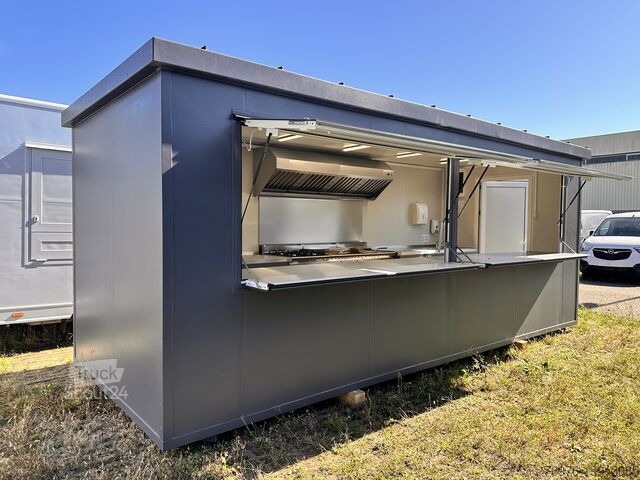
The Ultimate Guide to Opening a Container Shop
Your step‑by‑step roadmap, cost breakdowns, and FAQs
Introduction – Why a Container Shop Might Be Your Next Big Move
You’ve probably seen those sleek, steel‑box storefronts popping up in city plazas, festivals, and even rural main streets. A container shop—a retail space built from a repurposed shipping container—offers a low‑cost, fast‑to‑deploy alternative to a traditional brick‑and‑mortar store.
If you’re looking for a flexible retail solution that:
- Cuts start‑up costs (no land purchase, minimal foundation work)
- Speeds up construction (most builds finish in 4–8 weeks)
- Creates a distinctive brand statement (the industrial aesthetic is on‑trend)
…then you’re in the right place. This guide walks you through everything you need to know, from choosing the right container size to navigating permits, budgeting, and marketing. By the end, you’ll have a concrete action plan you can start executing today.
1. Understanding the Basics
1.1 What Is a Shipping Container?
A shipping container is a standardized steel box used worldwide for transporting goods. The most common units are:
| Container Type | External Dimensions (L × W × H) | Internal Volume | Approx. Weight (empty) |
|---|---|---|---|
| 20‑foot (Standard) | 20′ × 8′ × 8’6″ | 1,172 cu ft | 4,850 lbs |
| 40‑foot (Standard) | 40′ × 8′ × 8’6″ | 2,390 cu ft | 8,300 lbs |
| 40‑foot High‑Cube | 40′ × 8′ × 9’6″ | 2,700 cu ft | 8,800 lbs |
| 45‑foot High‑Cube | 45′ × 8′ × 9’6″ | 3,040 cu ft | 9,300 lbs |
Why it matters: Size determines floor space, interior layout possibilities, and ultimately your inventory capacity.
1.2 Container Shop vs. Traditional Retail
| Feature | Container Shop | Conventional Store |
|---|---|---|
| Construction Time | 4–8 weeks (prefab) | 3–12 months (on‑site build) |
| Initial Capital | $15k–$60k (incl. fit‑out) | $150k–$500k+ |
| Mobility | Relocatable (with crane) | Fixed location |
| Sustainability | Upcycled steel, low waste | Higher material consumption |
| Permitting Complexity | Moderate (zoning, fire) | High (building codes, ADA) |
| Brand Impact | Trendy, industrial vibe | Depends on design |
2. Planning Your Container Shop
2.1 Define Your Vision
Before you even call a supplier, answer these questions:
- What product(s) will you sell?
E.g., handcrafted jewelry, coffee, streetwear, or a pop‑up art gallery. - Who is your target customer?
Age, income level, lifestyle. - What experience do you want to create?
Cozy lounge, high‑energy showroom, minimalist boutique.
Your answers will shape the layout, lighting, and required utilities.
2.2 Choose the Right Container Size
| Scenario | Recommended Size | Reasoning |
|---|---|---|
| Boutique clothing line (≤30 items) | 20‑ft Standard | Compact, easy to fit in high‑traffic streets. |
| Coffee shop (seating for 8–10) | 40‑ft High‑Cube | Extra height allows for a raised counter and small seating area. |
| Art gallery / pop‑up market | 40‑ft High‑Cube or 45‑ft High‑Cube | Larger floor area for multiple displays; high ceiling adds visual drama. |
| Seasonal food truck with kitchen | 40‑ft Standard (modified) | Sufficient room for prep stations and a serving window. |
2.3 Budget Breakdown
Below is a typical cost table for a mid‑range 40‑ft high‑cube container shop in the United States. Numbers are averages; your actual costs may vary based on location and customization level.
| Expense Category | Estimated Cost (USD) | Notes |
|---|---|---|
| Container purchase | $2,500 – $5,000 | New vs. used; includes delivery. |
| Structural modifications (cutouts, reinforcement) | $8,000 – $12,000 | Windows, doors, skylights. |
| Insulation & HVAC | $3,000 – $6,000 | Spray foam, mini-split AC/heat. |
| Electrical & Lighting | $2,500 – $5,000 | Wiring, fixtures, smart controls. |
| Plumbing (if needed) | $2,000 – $4,000 | Water tank, sink, waste line. |
| Interior fit‑out (shelving, counters) | $5,000 – $10,000 | Custom carpentry, branding graphics. |
| Exterior branding (signage, wrap) | $1,500 – $3,000 | Vinyl graphics, LED signage. |
| Permits & Fees | $1,000 – $3,000 | Zoning, fire, health department. |
| Contingency (10%) | $2,500 – $5,500 | Unexpected expenses. |
| Total | $28,000 – $58,500 |
Tip: If you’re cash‑strapped, consider a lease‑to‑own arrangement where a container supplier finances the unit while you pay monthly installments.
2.4 Site Selection & Zoning
- Scout High‑Footfall Areas – Markets, transit hubs, university campuses, or mixed‑use developments.
- Check Zoning Codes – Most municipalities have “accessory use” regulations that allow temporary structures.
- Secure a Lease or Permission – Even if the landowner is a private entity, a written agreement protects both parties.
- Assess Utilities – Proximity to electricity, water, and waste disposal greatly reduces installation costs.
3. Building the Shop – From Steel Box to Retail Space
3.1 Structural Modifications
| Modification | Typical Cost | Duration |
|---|---|---|
| Cutting door & window openings | $1,200 – $2,500 | 1–2 days |
| Reinforcing frame (steel beams) | $1,500 – $3,000 | 2–3 days |
| Adding a roof overhang (optional) | $800 – $2,000 | 1 day |
| Installing a ramp for accessibility | $500 – $1,500 | 1 day |
Pro tip: Use a prefabricated steel frame kit that plugs into the container’s corners. It speeds up installation and maintains structural integrity.
3.2 Insulation & Climate Control
Shipping containers are made of corrugated steel—great for durability, poor for temperature regulation. Choose one of the following insulation methods:
| Method | R‑Value (per inch) | Cost per sq ft | Best For |
|---|---|---|---|
| Spray Foam | 6–7 | $1.50 – $2.50 | Full‑year climate control |
| Rigid Foam Boards | 4–5 | $0.80 – $1.20 | Seasonal pop‑ups |
| Batt Insulation (fiberglass) | 3.5 | $0.60 – $0.90 | Low‑budget projects |
Pair insulation with a mini‑split heat pump (12,000‑BTU) for year‑round comfort—costs around $2,500 installed.
3.3 Electrical & Lighting
- Plan a circuit map—dedicate separate circuits for lighting, HVAC, POS system, and any kitchen equipment.
- Install LED strip lighting along shelving for energy efficiency and a modern look.
- Add ambient lighting (pendants, recessed downlights) to set the mood.
Typical budget: $2,500 – $5,000, including wiring, a main breaker panel, and fixture hardware.
3.4 Interior Fit‑Out
- Flooring: Vinyl plank, epoxy resin, or reclaimed wood.
- Walls: Plywood panels painted or covered with fabric/graphics.
- Countertops: Solid surface (e.g., Corian) or reclaimed metal.
- Storage: Adjustable shelving, hidden cabinets, and lockable display cases.
3.5 Exterior Branding
Your container’s exterior is prime advertising space. Options include:
- Full‑wrap vinyl graphic (cost per sq ft: $7–$12)
- Metal lettering (laser‑cut, powder‑coated) – high durability
- LED marquee – eye‑catching after dark
4. Operating Your Container Shop
4.1 Daily Workflow Checklist
| Time | Task |
|---|---|
| Opening (30 min) | Turn on HVAC, check temperature, inspect lighting, stock shelves, verify POS system connectivity. |
| Mid‑day | Conduct inventory scan, restock fast‑moving items, clean high‑touch surfaces. |
| Closing (30 min) | Secure cash drawer, shut down HVAC, lock doors, backup sales data, set alarm system. |
| Weekly | Deep clean interior/exterior, review sales reports, schedule maintenance for HVAC/electrical. |
| Monthly | Reconcile finances, evaluate product performance, plan promotional calendar, renew permits if needed. |
4.2 Marketing Strategies
- Geo‑Targeted Social Media Ads – Use Instagram and TikTok geofilters for the immediate neighborhood.
- Pop‑Up Collaborations – Partner with local artists or food trucks to draw crowds.
- Loyalty Program – Digital punch card (e.g., “Buy 9 coffees, get the 10th free”).
- Storytelling – Highlight the sustainability angle: “Your purchase helps reduce waste by repurposing a shipping container.”
4.3 Sustainability Practices
- Solar Panel Canopy – A compact 1–2 kW array can offset a portion of your electricity usage.
- Compostable Packaging – For food or retail goods.
- Recycled Materials – Use reclaimed wood shelving, repurposed pallets for displays.
5. Frequently Asked Questions (FAQ)
| Question | Answer |
|---|---|
| Do I need a building permit? | Most jurisdictions require a permit for structural modifications, electrical work, and occupancy. Check with your local planning department before you start. |
| Can I relocate the shop later? | Yes. Because the structure is modular, you can have a crane lift it to a new site. Expect moving costs of $1,000–$3,000 depending on distance and crane rental. |
| What is the typical ROI? | For a $40k investment, many owners break even within 12–18 months, assuming an average monthly revenue of $5,000–$7,000 with a 30% profit margin. |
| Is the container weather‑proof? | New containers are weather‑sealed. Adding proper insulation, sealing cutouts, and a roof overhang protects against rain and extreme temperatures. |
| Can I install a bathroom? | Yes, but you’ll need to comply with plumbing codes and possibly an ADA‑compliant layout. Portable toilets are a budget‑friendly alternative. |
| How do I secure the container against theft? | Use heavy‑duty lockable doors, a reinforced steel frame, an alarm system, and, if possible, CCTV monitoring. |
| What are the insurance requirements? | General liability and property insurance covering the container and its contents are standard. Some insurers offer specific “mobile structure” policies. |
| Can I finance the container? | Many suppliers partner with financing companies offering 3–5‑year loans; interest rates vary from 4%–9% APR. |
| Is the container eco‑friendly? | Yes—repurposing a container saves steel from entering the scrap stream and reduces the need for new construction materials. |
6. Quick‑Start Checklist (Your First 30 Days)
- Research & Choose Location – Confirm zoning, utilities, and foot traffic.
- Select Container Size & Supplier – Get three quotes, compare new vs. used.
- Secure Financing/Capital – Apply for a loan or allocate budget.
- Obtain Permits – Submit plans to the city planning office.
- Hire Designer/Builder – Look for firms specializing in container conversions.
- Finalize Interior Layout – Draft a floor plan (include POS, storage, and customer flow).
- Order Branding Materials – Vinyl wrap, signage, and marketing collateral.
- Set Up POS & Inventory System – Choose a cloud‑based solution that integrates with your e‑commerce platform.
- Plan Grand Opening – Invite local press, run a giveaway, and promote on social media.
- Launch & Monitor – Track sales, collect customer feedback, adjust inventory and staffing as needed.
Conclusion – Your Steel Canvas Awaits
A container shop isn’t just a trendy storefront; it’s a versatile, cost‑effective platform that lets you test markets, showcase creativity, and build a brand with a sustainability story baked right into the steel walls. By following the roadmap outlined above—choosing the right size, budgeting wisely, handling permits, and executing a solid marketing plan—you’ll transform a plain metal box into a bustling hub of commerce and community.
Ready to roll up your sleeves and cut the first steel panel? The only thing standing between you and a thriving container shop is the decision to start. Take the leap, and let your entrepreneurial spirit travel wherever the next market beckons.
Pro tip: Keep an eye on emerging “container park” developments in your city. These shared spaces often provide discounted lot fees and a built‑in footfall—a perfect springboard for your very own container shop.
Happy building! 🚀