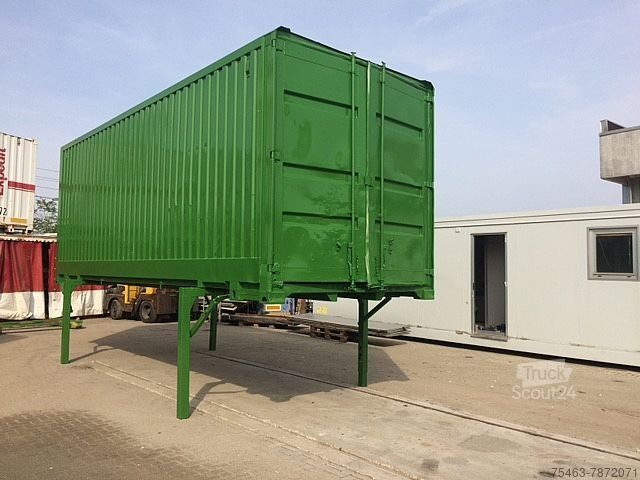
How Much Does a Shipping Container Cost? A Complete Guide for Buyers
If you’re reading this, chances are you’ve already imagined the possibilities that a steel box on wheels can unlock – a sleek pop‑up shop, a portable office, a DIY tiny home, or simply extra storage for a growing business. The first question that pops up in every mind is the same: How much does a shipping container cost?
In this post we’ll break down the price landscape, walk you through the variables that shift those numbers, and give you a step‑by‑step checklist so you can walk away with a container that fits both your budget and your vision.
1. The Basics: Sizes, Types, and What “New” Means
Shipping containers come in a handful of standard dimensions and configurations. Below is a quick reference so you can identify which model aligns with your project.
| Size (Length) | Width | Height | Common Names | Typical Uses |
|---|---|---|---|---|
| 20 ft | 8′ (2.44 m) | 8′6″ (2.59 m) | Standard 20‑footer | Small storage, modular offices |
| 40 ft | 8′ (2.44 m) | 8′6″ (2.59 m) | Standard 40‑footer | Larger warehouses, workshops |
| 40 ft High‑Cube | 8′ (2.44 m) | 9′6″ (2.90 m) | HC 40‑footer | Extra headroom for tall equipment |
| 45 ft High‑Cube | 8′ (2.44 m) | 9′6″ (2.90 m) | HC 45‑footer | Big‑ticket storage, specialty builds |
Note: “New” containers are freshly manufactured, never used for cargo transport, and generally carry a pristine finish. “Used” containers may have been in service for months or years and can range from “dry” (no water damage) to “wind” (exposed to the elements).
2. Price Ranges – What Should You Expect?
Below you’ll find the most recent market averages (USD) for buying a container in the United States. Prices fluctuate based on geography, demand, and the condition of the unit, so treat these as a starting point rather than a final quote.
| Size | New (USD) | Used – Dry (USD) | Used – Wind (USD) | Refrigerated (Reefer) |
|---|---|---|---|---|
| 20 ft | $2,600 – $3,400 | $1,600 – $2,200 | $1,300 – $1,800 | $4,000 – $5,500 |
| 40 ft | $3,200 – $4,200 | $2,200 – $3,000 | $1,800 – $2,600 | $5,800 – $7,500 |
| 40 ft HC | $3,800 – $4,800 | $2,800 – $3,600 | $2,300 – $3,000 | $6,500 – $8,200 |
| 45 ft HC | $4,500 – $5,500 | $3,200 – $4,200 | $2,800 – $3,600 | $7,500 – $9,300 |
Key takeaways
- New containers are roughly 30‑45 % pricier than a comparable used unit.
- Dry‑condition units (no exposure to rain or sun) usually command a 10‑20 % premium over wind‑exposed containers.
- Reefer (refrigerated) containers carry a substantial markup due to built‑in insulation, cooling units, and electrical wiring.
3. What Drives the Price? – A Detailed Checklist
Below is a concise list of the major variables that will push the price up or down. Use it as a quick audit when you compare quotes.
- Condition – New > Dry > Wind.
- Age – Most used containers are 2‑5 years old; older units can be cheaper but might need repairs.
- Location – Containers near major ports (Los Angeles, New York, Miami) tend to be cheaper because of higher inventory. Inland purchases often include a transport surcharge.
- Material & Certification – ISO‑standard steel, C‑type (cargo), or D‑type (dry). Certified “CSC” (Container Safety Convention) stamps add value.
- Modifications – Cut‑outs for windows/doors, added insulation, ventilation fans, or electrical wiring are usually quoted separately.
- Supply Chain – During peak shipping seasons (Q3‑Q4), demand spikes and prices can increase 5‑15 %.
- Financing & Bulk Discounts – Buying 5+ containers often nets a 5‑10 % discount; some dealers offer lease‑to‑own programs.
4. Additional Costs You Can’t Ignore
Even after you lock in a purchase price, there are a few inevitable “extras” that will show up on the final invoice.
| Cost Category | Typical Range (USD) | When It Applies |
|---|---|---|
| Delivery / Transport | $200 – $800 (local) $1,200 – $3,500 (cross‑country) | Distance from dealer to delivery site |
| Dealer Fees | $50 – $200 per container | Administrative handling, paperwork |
| Modifications | $300 – $2,500+ | Windows, doors, interior framing, HVAC |
| Permits & Zoning | $0 – $1,500 | Varies by city/county regulations |
| Insurance (during transport) | $30 – $100 | Optional but recommended for high‑value units |
| Taxes (sales, use) | 0 % – 10 % depending on state | Verify local tax obligations |
Pro tip: When you request a quote, ask the dealer for an “all‑in‑price” that bundles delivery, dealer fees, and any required permits. This eliminates nasty surprises later.
5. Where to Find Containers – Your Sourcing Playbook
- Specialty Container Dealers – Companies like Container Solutions or SeaBox focus solely on sales and often have on‑site modification shops.
- Port Refuse Yards – Many maritime ports operate resale yards where you can walk the lot and inspect units. Expect lower prices but bring a mechanic or experienced eye.
- Online Marketplaces – Websites such as eBay, Craigslist, and ContainerAuction.com list containers from private sellers. Verify seller reputation and request recent photos.
- Auction Houses – Occasionally, shipping lines liquidate surplus inventory at public auctions—great for bargains but require quick decision‑making.
- Leasing Companies – If you’re testing a concept (pop‑up shop, event venue), consider a short‑term lease to avoid the full purchase cost.
Checklist before you buy
- ☐ Verify the CSC plate (the metal tag with the container’s registration number).
- ☐ Inspect for rust, dents, and water damage; ask for a condition report.
- ☐ Request photos of the interior and door seals.
- ☐ Confirm dimensions match the specifications you need.
- ☐ Ask about warranty (most new containers come with a 1‑year steel warranty).
6. Frequently Asked Questions
Q1: Can I buy a container without a license or registration?
A: Yes. The container itself is a piece of personal property, so you can purchase it without a business license. However, if you plan to use it for commercial purposes (e.g., a storefront or office), you’ll need proper zoning permits and possibly a business registration.
Q2: How long does delivery usually take?
A: For local deliveries (within 50 mi) it’s often same‑day or next‑day. Cross‑country shipments can range from 5‑10 business days, depending on the carrier’s schedule and any customs clearance if the container is sourced internationally.
Q3: Do I need to treat a used container for rust before I start a renovation?
A: Inspect the exterior for rust spots. Light surface rust can be sandblasted and primed with a marine‑grade paint. If the rust is structural (deep pitting), you may need to replace sections of the steel, which adds cost.
Q4: What’s the difference between a 20‑ft and a 40‑ft container in terms of structural strength?
A: Both are built to the same ISO standard, so the steel thickness and corner posts are identical. The 40‑ft simply has a longer frame, which can increase flex under heavy loads; however, for most stationary applications there’s no practical strength disadvantage.
Q5: Can I stack containers on top of each other?
A: Yes, ISO containers are designed to be stacked up to 8‑9 units high when they’re on a properly engineered foundation. If you plan to stack, ensure your site can support the load and check local building codes.
Q6: Is a high‑cube container worth the extra $500‑$800?
A: If you need additional vertical clearance for tall equipment, a high‑cube gives you an extra foot of headroom, which can reduce the need for interior scaffolding or custom racks. For a residential tiny home conversion, the added space often justifies the cost.
Q7: Do I have to pay sales tax on a container purchase?
A: It depends on the state. Some states treat containers as tangible personal property and levy sales tax; others classify them as equipment and exempt them. Always check your state’s Department of Revenue website or ask the dealer.
Q8: Can I finance a container purchase?
A: Many dealers partner with equipment financing firms offering 12‑ to 60‑month terms. Interest rates typically range from 4‑10 % APR, comparable to a small‑business loan.
7. Bottom Line – How Much Should You Budget?
Putting all the pieces together, a realistic budget for a single 40‑ft standard container, bought new, delivered within 200 mi, and featuring a basic door cut‑out, looks roughly like this:
| Item | Cost (USD) |
|---|---|
| Container (new) | $3,600 |
| Local delivery (150 mi) | $500 |
| Door cut‑out & reinforcement | $800 |
| Dealer fees | $100 |
| Permit (if needed) | $400 |
| Total | $5,400 |
If you opt for a used dry 40‑ft unit, the same setup could drop to around $3,600–$4,000.
Your next step: Identify your exact size, condition, and location needs, then use the tables above to calculate a preliminary budget. From there, reach out to at least three reputable sellers, compare all‑in quotes, and run a quick cost‑benefit analysis on any modifications you’ll need.
Ready to Roll?
Shipping containers have evolved from humble cargo boxes into versatile building blocks for modern entrepreneurs, DIY renovators, and storage-savvy businesses. By understanding the price structure, factoring in the hidden costs, and asking the right questions, you’ll be empowered to make a purchase that aligns perfectly with your project’s timeline and wallet.
Happy hunting, and may your new steel companion become the foundation of your next great idea!