The Real‑World Cost of Storage Containers – What You’ll Pay and Why
If you’ve ever stared at a sea of steel boxes in a yard and thought, “That looks cheap, but how much does it really cost?”, you’re not alone. Whether you’re a DIY‑renovator, a small‑business owner, or just someone who needs extra space for a weekend move, the price tag on a storage container can feel like a mystery.
In this post we’ll walk you through every line item that shows up on the invoice, break down the numbers with easy‑to‑read tables, and give you practical tips to keep the total as low as possible. By the end, you’ll be able to read a quote, compare options, and make a confident decision without the guesswork.
1. What Types of Containers Are There?
| Container Type | Typical Use | Typical Dimensions (L × W × H) | Typical Weight (empty) |
|---|---|---|---|
| Standard 20‑ft Dry Box | General storage, shipping | 20’ × 8’ × 8.5’ | ~2,200 lb |
| Standard 40‑ft Dry Box | Larger inventories, vehicle storage | 40’ × 8’ × 8.5’ | ~4,800 lb |
| High‑Cube 40‑ft | Tall items, extra headroom | 40’ × 8’ × 9.5’ | ~5,200 lb |
| Open‑Top Box | Heavy equipment, oversized loads | 20‑ft or 40‑ft | Same as dry box |
| Cold‑Storage/Insulated | Food, pharmaceuticals | Varies (often 20‑ft) | Heavier due to insulation |
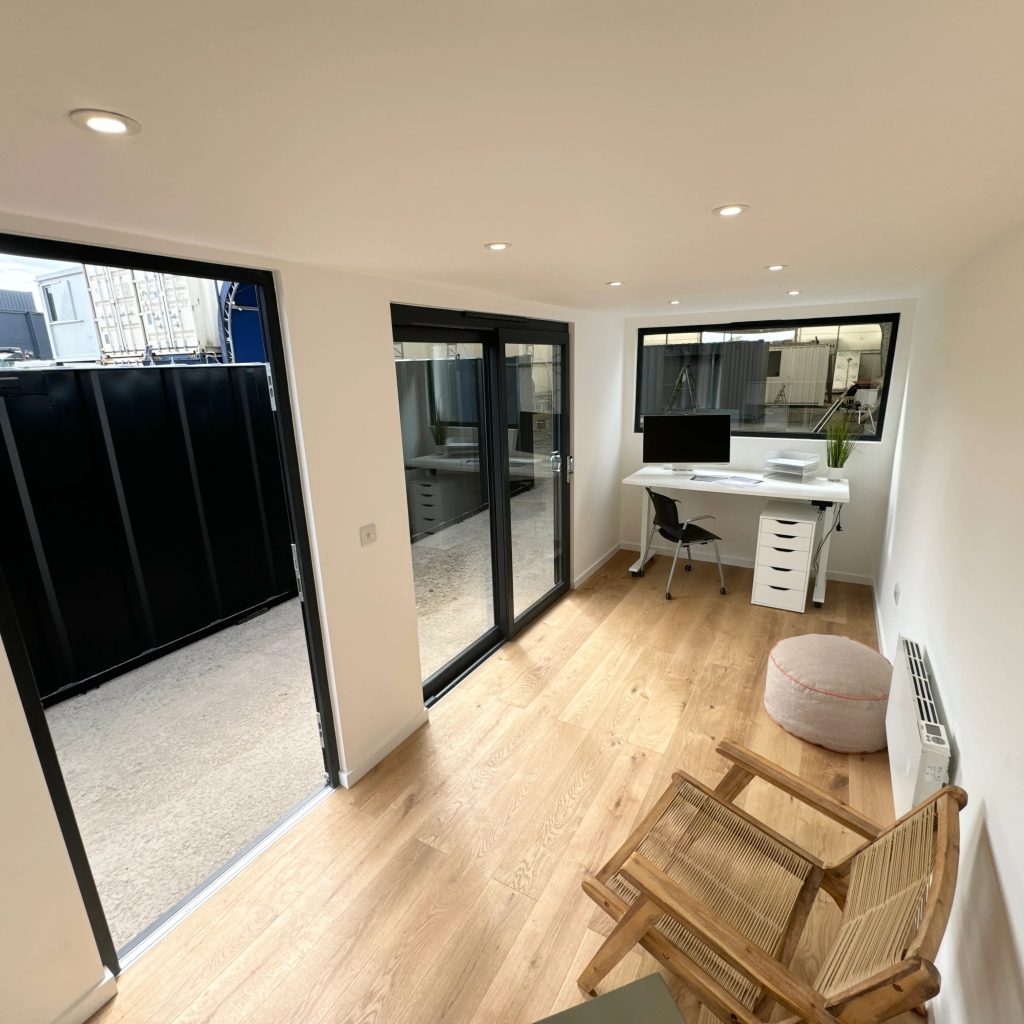
| Modified (Office/Showroom) | On‑site offices, retail displays | Custom | Varies |
Why it matters: Each style brings a different base price and may require extra accessories (e.g., a tarp for an open‑top, refrigeration unit for a cold‑storage box).
2. The Main Cost Drivers
a. Size & Volume
Bigger containers cost more, but the price per cubic foot tends to drop as you go up in size. A 40‑ft box isn’t exactly double the price of a 20‑ft box because you’re paying for the same steel frame and handling costs.
b. New vs. Used (or “Re‑conditioned”)
- New: Fresh steel, full warranty, usually 2–3 % higher price.
- Used: Often 30–50 % cheaper, but you may need to budget for repairs or cleaning.
c. Condition & Certification
ISO‑standard containers with a “CSC” (Container Safety Convention) plate are required for international shipping. Those without the plate are cheaper but may need a retrofit before you can legally transport them across borders.
d. Delivery & Pick‑up
Shipping a 20‑ft box a short distance (10 mi) can cost $200–$300. Long‑haul moves (e.g., from the Midwest to the West Coast) can climb to $1,000–$2,000, especially if a crane is needed.
e. Rental vs. Purchase
If you only need the container for a few months, renting is often cheaper overall. However, for long‑term storage (2 + years) buying usually wins out.
f. Extras & Customization
- Ventilation panels – $150–$400 each
- Electrical wiring & lighting – $500–$1,200
- Security locks & alarms – $100–$350
- Flooring (wood, epoxy, etc.) – $3–$8 per sq ft
g. Taxes, Permits & Insurance
Depending on your jurisdiction, sales tax (5‑10 %), local permits for siting the container, and insurance (typically 0.5‑1 % of the container’s value per year) can add a noticeable bump to the total.
3. Quick‑Reference Cost Tables
Table 1 – Average Purchase Price (U.S. market, 2024)
| Size | New (USD) | Used – Good Condition (USD) | Used – “As‑Is” (USD) |
|---|---|---|---|
| 10‑ft | $1,800 – $2,200 | $1,100 – $1,500 | $800 – $1,100 |
| 20‑ft | $3,200 – $4,200 | $1,900 – $2,600 | $1,500 – $2,000 |
| 40‑ft | $5,800 – $7,200 | $3,200 – $4,500 | $2,600 – $3,300 |
| 40‑ft High‑Cube | $6,400 – $7,800 | $3,800 – $5,200 | $3,000 – $3,900 |
Note: Prices fluctuate with steel market rates and regional demand.
Table 2 – Typical Monthly Rental Rates
| Size | Standard Dry Box (USD) | With Ventilation (USD) | With Power & Lighting (USD) |
|---|---|---|---|
| 10‑ft | $55 – $75 | $70 – $95 | $120 – $150 |
| 20‑ft | $95 – $130 | $115 – $150 | $190 – $240 |
| 40‑ft | $175 – $230 | $210 – $260 | $340 – $410 |
| 40‑ft High‑Cube | $190 – $250 | $225 – $285 | $360 – $440 |
Most rental contracts include delivery for the first container; subsequent moves are extra.
Table 3 – Delivery & Placement Cost Estimates
| Distance (from depot) | 10‑ft Box | 20‑ft Box | 40‑ft Box |
|---|---|---|---|
| 0–25 mi (local) | $150 – $250 | $200 – $300 | $250 – $350 |
| 25–100 mi | $250 – $400 | $300 – $500 | $400 – $600 |
| 100+ mi (cross‑state) | $600 – $900 | $800 – $1,200 | $1,200 – $1,800 |
| Crane lift (if required) | +$300 | +$400 | +$600 |
If you have a flat, paved surface, the crane fee may be waived. Rough terrain or a need for a forklift can increase costs further.
4. How to Choose the Right Option for Your Budget
- Define the Time Frame
- Less than 6 months: Rent. The monthly rate plus one‑time delivery is usually under 30 % of a purchase price.
- 6–24 months: Compare the total rental cost versus a used purchase plus a short‑term loan or financing.
- 2 + years: Buying (even used) almost always beats renting, especially if you can secure a small loan at a low interest rate.
- Calculate “Cost per Square Foot”
- Find the floor area: 20‑ft box = 20 ft × 8 ft = 160 sq ft.
- Example: A used 20‑ft box at $1,800 → $11.25 per sq ft (one‑time).
- Compare this figure against rental cost per month (e.g., $100/month ≈ $0.63 per sq ft per month). Multiply by expected months to see the break‑even point.
- Factor in Hidden Costs
- Insurance: 0.75 % of purchase price per year → $13.50/year for a $1,800 box.
- Permit fees: $50–$200 depending on city.
- Maintenance: A small repair (broken door seal) can be $100–$250.
- Ask for Bundles
- Many container suppliers offer a “delivery + first‑month rental” bundle that shaves off 5–10 % compared to a la carte pricing.
- If you need accessories (ventilation, lighting), see if they can be added at a bulk discount.
- Check the Market for Seasonal Deals
- Spring and early summer are peak moving seasons; suppliers often run “off‑season” discounts in winter (Nov–Feb).
5. Real‑World Example: Your DIY Kitchen Remodel
Let’s say you’re renovating a 1,200‑sq‑ft home and need a place to stash cabinets, appliances, and flooring for three months.
Option A – Rent a 20‑ft Box
- Rental: $115 /month (dry box with ventilation)
- Delivery: $250 (local)
- Insurance (3 months): $3
- Total: $115 × 3 + $250 + $3 = $598
Option B – Buy a Used 20‑ft Box
- Purchase price: $1,800 (good condition)
- Delivery: $250 (same)
- Insurance (1 year): $13.50 (you’ll keep it for future projects)
- Total: $1,800 + $250 + $13.50 = $2,063
In this short‑term scenario, renting saves you $1,465. However, if you anticipate needing the container for a year or more (e.g., seasonal inventory for a small business), buying becomes the smarter financial move.
6. Frequently Asked Questions
Q1: Do I need a permit to place a container on my property?
A: It depends on local zoning rules. Most residential neighborhoods require a temporary site‑use permit if the container sits on a driveway or yard for longer than 30 days. Check your city’s planning department; the fee is usually $50–$150.
Q2: How do I know if a used container is “CSC‑certified”?
A: Look for the CSC plate on the door—usually a metal square with a six‑digit number and the year of last inspection. Ask the seller for the inspection report; reputable dealers will provide a copy.
Q3: Can I stack containers?
A: Yes, but only if they’re designed for stacking (most dry containers have corner castings rated for up to 9 tons). You’ll need a crane or forklift, and stacking adds a surcharge ($300–$600 per lift).
Q4: What’s the best way to protect my goods from condensation inside a steel container?
A: Use a vapor‑barrier liner (polyethylene sheet) and consider installing a small dehumidifier if the container will sit for months. Some suppliers also offer insulated “cold‑storage” containers that keep humidity low.
Q5: How long does it take to get a container delivered after I place an order?
A: For standard stock (20‑ft or 40‑ft dry boxes) within the same region, delivery is usually 2–5 business days. If you’re ordering a custom‑modified unit or a container from a distant depot, allow 2–3 weeks.
Q6: Is financing available for container purchases?
A: Many container companies partner with equipment‑finance firms. Typical terms range from 12 to 60 months with interest rates of 4‑9 % APR. Compare the total cost against renting to see which is cheaper for your horizon.
Q7: What happens if I need the container moved again after the rental period?
A: Most rental contracts include a “move‑out” fee (usually $150–$250). Some companies will waive it if you extend the rental or sign a new agreement.
7. Bottom Line: Making the Numbers Work for You
- Know your timeframe. Short‑term needs = rent; long‑term = buy.
- Calculate cost per square foot to see where the savings lie.
- Don’t forget the extras: delivery, permits, insurance, and optional upgrades can add 10‑30 % to the headline price.
- Shop around. Prices vary widely by region, supplier, and even the time of year.
When you walk into a yard full of steel boxes, you’ll now see more than just a big metal room—you’ll see a line‑item breakdown, a clear comparison chart, and the confidence to choose the most cost‑effective solution for your project.
Happy storing! 🚚📦