How to Buy a Freight Container: A Complete Guide for First‑Time Buyers
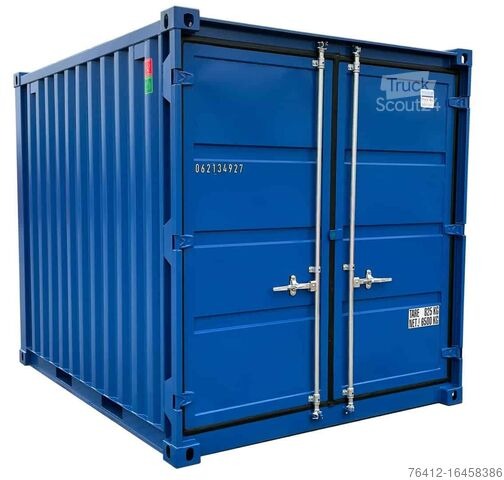
When you hear the word freight container, you probably picture those huge steel boxes stacked at ports, loading and unloading cargo from ships, trucks, and trains. However, the market for containers has exploded far beyond the logistics world. From pop‑up shops and tiny homes to on‑site storage and mobile workshops, a container can be the perfect solution for a surprisingly wide range of projects.
If you’re reading this, you’re probably thinking, “I need a container, but where do I start?” In this guide you’ll learn everything you need to know to make an informed purchase: the types of containers available, how to size‑match them to your needs, where to buy, what to look for in a condition report, and how to avoid common pitfalls.
Below you’ll find step‑by‑step instructions, handy tables for quick comparison, and a FAQ section that answers the most frequently asked questions. By the end of the article you’ll feel confident enough to place that order, negotiate a price, and get your container where it belongs—ready to be turned into the asset you envision.
1. Why Buy a Freight Container?
| Benefit | How It Helps You |
|---|---|
| Durability | Made of high‑grade Corten steel, containers resist corrosion, weather, and heavy impacts. |
| Security | Double‑door locking systems and tamper‑proof hinges keep contents safe. |
| Mobility | Designed for easy transport on ships, trucks, and trains—ideal for remote or temporary sites. |
| Versatility | Can be modified into offices, workshops, homes, retail spaces, or pure storage. |
| Cost‑Effectiveness | New containers cost $2,500‑$5,000; used ones can be as low as $1,200, far cheaper than building a conventional structure. |
| Standardized Sizes | Global ISO standards simplify shipping and placement logistics. |
If any of these points line up with your project goals, buying a container is worth serious consideration.
2. Types of Freight Containers
2.1 By Size
| ISO Size | External Dimensions (L × W × H) | Internal Volume | Typical Use Cases |
|---|---|---|---|
| 20‑foot (20′ GP) | 20′ × 8′ × 8′ 6″ | 1,170 ft³ | Small workshops, tool storage, mobile offices |
| 40‑foot (40′ GP) | 40′ × 8′ × 8′ 6″ | 2,390 ft³ | Larger inventories, pop‑up retail, modular housing |
| 40‑foot High Cube (40′ HC) | 40′ × 8′ × 9′ 6″ | 2,700 ft³ | Extra headroom for tall equipment, living spaces |
| 45‑foot High Cube (45′ HC) | 45′ × 8′ × 9′ 6″ | 3,050 ft³ | Maximum floor area while staying within standard shipping limits |
2.2 By Build
| Type | Features | Best For |
|---|---|---|
| Standard Dry Container (GP) | Solid steel walls, weather‑tight, no ventilation. | General cargo, storage, office conversion. |
| Reefer (Refrigerated) | Insulated walls, built‑in cooling system, temperature control. | Perishable goods, cold‑storage labs, wine cellars. |
| Open‑Top | Removable canvas top, reinforced frames. | Oversized cargo, heavy machinery, timber. |
| Flat‑Rack | Collapsible side walls, reinforced base. | Large, irregular items (steel beams, containers). |
| Insulated / “Thermal” | Foam insulation, optional heating/cooling. | Pharmaceuticals, chemicals, climate‑sensitive storage. |
| Specialty (e.g., tank, ventilated) | Designed for liquids, gases or airflow. | Fuel, chemicals, agricultural produce. |
When you know which combination of size and build fits your need, the search becomes a lot easier.
3. Where to Buy a Container
| Source | Pros | Cons | Typical Price Range (USD) |
|---|---|---|---|
| Direct from Shipping Lines | Brand‑new, guaranteed condition, easy financing. | Higher cost, limited inventory for used units. | $2,500‑$5,500 (new) |
| Container Depots / Auctions | Large stock of used containers, discounts for bulk. | Variable condition; may need repairs. | $1,200‑$2,800 |
| Online Marketplaces (e.g., eBay, ContainerAuction.com) | Convenient browsing, nationwide shipping. | Less direct inspection; possible scams. | $1,500‑$3,500 |
| Local Dealers & Fabricators | Personalized service, custom modifications on site. | May charge for delivery and conversion work. | $2,000‑$4,500 (including minor mods) |
| Specialty Brokers | Expertise in niche containers (reefer, tank). | Brokerage fees add 5‑10% to price. | Varies widely |
Tip: Always request a condition report (often called a “CSC” – Container Safety Certificate) before finalizing a purchase, especially with used units.
4. Step‑by‑Step Checklist: Buying Your Container
- Define Your Purpose – Write down a brief description of how you’ll use the container (storage, office, home, etc.).
- Select Size & Type – Use the tables above to narrow down the dimensions and build you need.
- Set a Budget – Include purchase price, delivery, possible modifications, and any taxes or permits.
- Find Sellers – Compare at least three sources; ask for photos, CSCs, and transport options.
- Inspect Condition – Look for rust, dents, water damage, and verify door seals. If buying remotely, request a video walkthrough.
- Negotiate Terms – Ask about warranties, return policies, and bulk discounts if you need more than one unit.
- Arrange Delivery – Determine whether the seller offers drop‑off, whether you need a crane, and if site access is clear.
- Finalize Paperwork – Sign a purchase agreement, keep receipts, and obtain any required import permits if the container comes from overseas.
- Plan Modifications – If you need windows, insulation, or electrical work, get quotes now; many fabricators offer “turnkey” packages.
- Install & Register – Once the container is on site, secure it to the foundation, register the asset for insurance, and begin your project.
5. Common Pitfalls and How to Avoid Them
| Pitfall | Why It Happens | Prevention |
|---|---|---|
| Buying Without a CSC | Sellers sometimes skip paperwork to speed the sale. | Insist on a current Container Safety Certificate; verify the container’s ISO code (e.g., CSC‑123456). |
| Underestimating Delivery Costs | Freight and crane fees can add thousands. | Get a full quote that includes loading, unloading, and any permits for oversized loads. |
| Ignoring Local Zoning Laws | Some municipalities restrict container use as dwellings. | Check with your city planning office before purchase; obtain any required variances. |
| Choosing the Wrong Size | Over‑ or under‑sized containers create inefficiencies. | Use a floor‑plan calculator (available online) to map out required interior space. |
| Skipping Inspection on Used Units | Hidden corrosion can lead to structural failure. | Hire a third‑party inspector or request high‑resolution images of all sides, doors, and interior. |
| Not Accounting for Modifications | Adding insulation, windows, or doors raises costs dramatically. | Factor a 15‑30% contingency into your budget for interior build‑out. |
6. Frequently Asked Questions (FAQ)
Q1: How long does a freight container last?
A: A well‑maintained steel container can exceed 30 years. New containers have a design life of 20‑25 years, but with periodic repainting and rust treatment they can keep going indefinitely.
Q2: Can I buy a container and have it delivered to a remote site without road access?
A: Yes, but you’ll need a specialized off‑road trailer or a crane-mounted delivery system. Expect higher transport fees and possibly a temporary access road.
Q3: Are there any environmental concerns with using a container for housing?
A: Steel is recyclable, and many containers are repurposed rather than scrapped. However, ensure proper insulation and ventilation to avoid condensation and overheating.
Q4: What is the difference between a “dry” and a “ventilated” container?
A: Dry containers (GP) are sealed tight, ideal for storage. Ventilated containers have built‑in louvers or vent panels for airflow, useful for agriculture or equipment that generates heat.
Q5: Do I need a license to operate a crane for unloading a container?
A: In most jurisdictions, a certified crane operator is required for lifts over 5 tons. If you hire a third‑party logistics firm, they will provide a licensed operator.
Q6: How can I finance a container purchase?
A: Options include direct dealer financing, equipment loans, or leasing arrangements. Some manufacturers also offer payment plans with a small down‑payment.
Q7: What warranties are typically offered?
A: New containers often come with a 1‑year structural warranty. Used containers may have limited warranties (30‑90 days) or be sold “as‑is.” Always read the fine print.
7. Quick Reference: Size‑to‑Price Cheat Sheet
| Size | New (USD) | Used (USD) | Typical Load Capacity |
|---|---|---|---|
| 20‑ft GP | $2,800‑$3,500 | $1,200‑$1,800 | 22,000 lb (10 t) |
| 40‑ft GP | $3,500‑$4,500 | $1,500‑$2,400 | 27,000 lb (12 t) |
| 40‑ft HC | $4,200‑$5,300 | $1,800‑$2,800 | 27,000 lb (12 t) |
| 45‑ft HC | $5,200‑$6,500 | $2,200‑$3,300 | 27,000 lb (12 t) |
| 20‑ft Reefer | $5,500‑$7,500 | $3,300‑$4,600 | 22,000 lb (10 t) |
| 40‑ft Reefer | $7,200‑$9,600 | $4,500‑$6,200 | 27,000 lb (12 t) |
Prices fluctuate based on market demand, location, and condition.
8. Making the Final Decision
Now that you’ve explored the types, sizes, buying channels, and hidden costs, the final step is simply to take action. Here’s a concise recap of what you should do next:
- Write down the exact dimensions and features you need – a 40′ HC with a side door and basic insulation, for example.
- Set a realistic budget, including a 20% buffer for delivery and modifications.
- Reach out to at least three sellers using the table above as a guide; request photos, CSCs, and quotes.
- Schedule an inspection (or a virtual walkthrough) for any used container.
- Negotiate and get a written purchase agreement that specifies who pays for delivery, insurance, and any post‑sale repairs.
- Arrange transport with a reputable logistics provider, confirming that your site can handle the container’s weight and dimensions.
- Plan the interior build‑out before the container arrives—this reduces the time the unit sits idle on your property.
By following this roadmap, you’ll avoid the majority of common missteps and secure a container that not only meets your functional requirements but also delivers solid value for years to come.
9. Closing Thoughts
Freight containers are more than just metal boxes; they’re adaptable building blocks that can transform your storage, workspace, or living environment. While the buying process involves a handful of technical considerations—size, condition, delivery logistics—those details are straightforward once you have the right information at hand.
Remember, the key to a smooth purchase is clarity (know exactly what you need), verification (insist on condition reports), and planning (budget for delivery and modifications). Use the tables and checklists in this guide as a reference point, and you’ll be well on your way to turning a simple steel container into a valuable asset for your home, business, or community project.
Ready to start? Browse reputable container dealers, request a quote, and get that steel box on its way to your next big idea. Happy building!