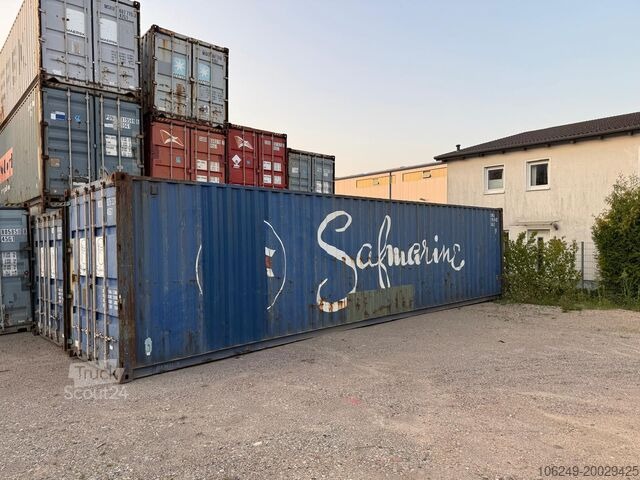
Container Hire and Storage: The Practical Guide You Need
When you’re planning a home renovation, a business move, or simply need extra space for seasonal items, the idea of “container hire and storage” can feel both exciting and overwhelming. You’ve probably seen those massive steel boxes stacked at construction sites or parked beside homes, but you might be wondering:
- What exactly can I use a container for?
- How do I pick the right size and price?
- What should I look for in a storage facility?
This long‑form guide walks you through every step, from understanding the different container types to budgeting, loading, and finally, retrieving your belongings. All the information is presented in a second‑person voice, so you can picture yourself making each decision with confidence.
1. Why Consider a Container for Your Project?
| Reason | How a Container Helps You |
|---|---|
| Flexibility | You can keep the container on‑site while you work, eliminating frequent trips to a warehouse. |
| Security | Steel containers are lockable, weather‑proof, and resistant to vandalism. |
| Cost‑Effectiveness | Renting a container is often cheaper than hiring a moving truck plus a separate storage unit. |
| Scalability | Need extra space later? You can easily swap a 20‑ft unit for a 40‑ft one without breaking a lease. |
| Time Savings | With a container on‑site, you can load and unload at your own pace, not on a carrier’s schedule. |
If any of these points line up with your goals, container hire may be the most sensible option for you.
2. Types of Containers You Can Hire
| Container Type | Dimensions (L × W × H) | Typical Use Cases | Approx. Load Capacity |
|---|---|---|---|
| 20‑Foot Standard | 20 ft × 8 ft × 8.5 ft | Small home remodels, document archives | 25,000 lb (≈ 11 t) |
| 40‑Foot Standard | 40 ft × 8 ft × 8.5 ft | Large construction sites, bulk inventory | 45,000 lb (≈ 20 t) |
| 40‑Foot High‑Cube | 40 ft × 8 ft × 9.5 ft | Tall items (furniture, piping), equipment storage | Same as standard, extra headroom |
| 45‑Foot High‑Cube | 45 ft × 8 ft × 9.5 ft | Very large loads, oversized machinery | 54,000 lb (≈ 24 t) |
| Open‑Top | Varies (usually 20‑ or 40‑ft) | Bulk raw material, timber, waste removal | Same as standard, top can be removed |
| Reefer (Refrigerated) | 20‑ or 40‑ft | Food, pharmaceuticals, temperature‑sensitive parts | 15,000 lb (≈ 7 t) |
| Flat‑Rack | 20‑ or 40‑ft | Oversized loads, machinery that needs on‑deck placement | 20,000 lb (≈ 9 t) |
How to Choose:
- Calculate the volume of items you need to store (cubic feet).
- Consider the height of your tallest item. If you have a refrigerator or a shelving unit, a high‑cube container may be necessary.
- Think about access—an open‑top container is perfect for loading bulk material with a crane, but it offers less security for valuable items.
3. Budgeting: What You’ll Pay and Why
| Cost Component | What It Covers | Typical Price Range (per month, UK) |
|---|---|---|
| Base Rental | Container chassis, basic lock, delivery & pickup | £150‑£300 for 20‑ft; £250‑£450 for 40‑ft |
| Delivery Fee | Transport from depot to your site | £50‑£120 (depends on distance) |
| Pickup Fee | Return transport | £50‑£120 |
| Security Deposit | Refundable, covers damage | £100‑£300 |
| Insurance | Optional coverage for loss or damage | £10‑£30 |
| Optional Extras | Climate control, extra lock, on‑site power | £20‑£70 per addon |
Tips to Keep Costs Down
- Combine delivery and pickup into a single booked slot if you know the exact dates.
- Rent for a longer term (e.g., 6 months) – many providers offer a discount for extended contracts.
- Ask about “off‑peak” rates if you’re hiring during a slow season (late autumn/winter).
4. Where to Store Your Container
Even though a container can sit right on your property, you might need a dedicated storage yard for:
- Long‑term storage (more than 6 months)
- Legal restrictions (some neighbourhoods prohibit on‑site containers)
- Security concerns (guards, CCTV)
List: What to Look for in a Storage Facility
- Location – Within 5‑10 miles of your site to keep transport costs low.
- Security – Gated entrance, CCTV, on‑site staff.
- Access Hours – 24/7 access is ideal if you have an irregular schedule.
- Insurance Coverage – Some yards include basic insurance; confirm the limits.
- Additional Services – Forklift or pallet jack hire, on‑site electricity.
5. Step‑By‑Step Guide: Hiring a Container from Start to Finish
- Assess Your Needs
Make a quick inventory. Write down dimensions, weight, and any special handling requirements. - Select the Right Size & Type
Use the table in Section 2 to match your items with a container. - Get Quotes
Contact at least three reputable providers (e.g., BigBox Containers, SecureStore, Mobile Storage Ltd.). Ask for a written quote that breaks down each cost component. - Read the Contract
Look for clauses about early termination, damage liability, and permitted uses (some contracts forbid hazardous materials). - Schedule Delivery
Confirm the delivery date and ensure the site is level, clear of obstacles, and able to bear the container’s weight (roughly 2,200 lb for a 20‑ft unit empty). - Prepare the Site
Lay down a protective mat (e.g., rubber or plywood) to prevent moisture damage and to keep the container clean. - Load Carefully
• Distribute weight evenly.
• Use pallets or pallets jacks for heavy items.
• Seal the container with a high‑quality lock and, if needed, a tamper‑evident seal. - Monitor Conditions
If you’re storing for months, check the container every 2‑4 weeks for water ingress, rust, or pest activity. - Arrange Pickup
Give the provider at least 48 hours notice. Ensure the contents are ready for removal – unpacking large items first will prevent damage. - Close Out the Contract
Return any keys, confirm the final invoice, and request a receipt confirming the container’s condition at return.
6. Common Mistakes (And How to Avoid Them)
| Mistake | Consequence | Prevention |
|---|---|---|
| Under‑estimating volume | You’ll need a second container, driving up cost. | Use a simple calculator: length × width × height (in ft) ÷ 1728 = cubic yards. |
| Loading unevenly | Container may tip, causing damage. | Load heavy items at the bottom and centered; use straps to tie down loose objects. |
| Skipping insurance | You’re liable for loss or damage. | Purchase the provider’s optional insurance or use your own business policy. |
| Parking on soft ground | Container can sink or cause ground damage. | Place a sturdy, flat base (e.g., compacted gravel) before delivery. |
| Ignoring local regulations | Fines or forced removal. | Check with your council or property manager for any required permits. |
7. Frequently Asked Questions (FAQ)
Q1: How long can I keep a container on my property?
A: Most hire contracts allow storage from a single day up to 12 months. If you need longer, discuss a “long‑term” agreement—many providers grant a discount after six months.
Q2: Can I keep the container on a public road?
A: Generally no. Most local authorities require a permit for a container placed on a public highway. It’s safer to park on private land where you have permission.
Q3: What if I need to move the container mid‑project?
A: You can request a relocation service. Some providers charge a flat fee, while others bill per mile. Make the request at least 48 hours in advance.
Q4: Are there size restrictions for residential areas?
A: Yes, many residential zones limit containers to 20‑ft or require a setback distance from the property line (often 3‑5 metres). Always check your local planning rules.
Q5: Do containers come with electricity for lighting or climate control?
A: Standard containers have no power. However, many hire firms offer optional “plug‑in” units that provide lighting, ventilation, or a small heater. For refrigerated (reefer) units, power is supplied via a dedicated generator or site electricity.
Q6: How do I protect items from moisture inside the container?
A: Line the container floor with a moisture‑barrier tarp, use desiccant packs for sensitive goods, and close the doors tightly. If you’re storing electronics or documents, consider a “dry‑box” container with built‑in dehumidifiers.
Q7: What happens if the container is damaged during delivery?
A: The provider’s contract should include a clause covering delivery damage. Document any dents or scratches with photos and notify the company within 24 hours to avoid disputes.
Q8: Can I stack containers?
A: Only specially designed “stackable” containers may be stacked, and they require a crane and proper weight distribution. Regular containers should stay on the ground.
8. Bottom Line: Is Container Hire Right for You?
If you need a secure, flexible, and cost‑effective solution for short‑term storage, a container is a strong candidate. By following the step‑by‑step process outlined above, you’ll avoid common pitfalls, keep your budget in check, and protect your belongings from the elements and theft.
Remember:
- Measure first. The right size saves you money.
- Read the fine print. Know the terms of delivery, pickup, and insurance.
- Plan the site. A level, protected base makes loading painless.
- Monitor regularly. A quick visual check prevents hidden damage.
With these habits in place, you’ll be the master of your own storage space—whether you’re renovating a kitchen, staging a warehouse, or simply needing a seasonal closet on wheels.
Ready to get started? Grab a notebook, sketch out your inventory, and call a few local container hire companies today. The right container is waiting, and your project will thank you for the extra space and peace of mind. Happy storing!