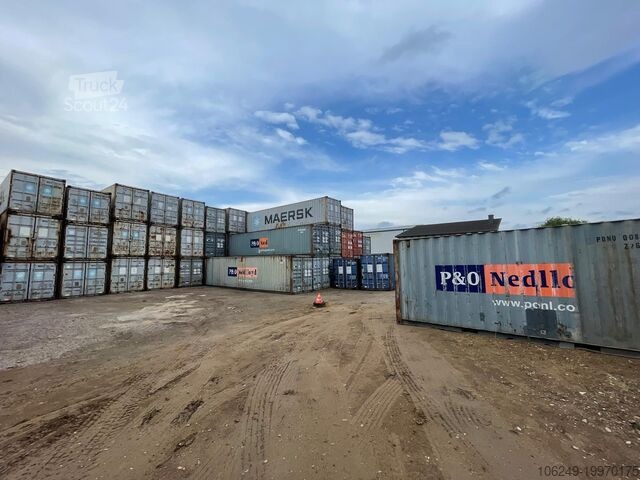
The Ultimate Guide to Buying a Shipping Container for Your Business or Project
When you hear the word container, the image that usually pops up is a massive steel box rolling on a dock, waiting to be loaded onto a cargo ship. In reality, containers have become an incredibly versatile asset for entrepreneurs, homeowners, and developers alike. Whether you’re looking to create a pop‑up shop, a portable office, a secure storage unit, or even a tiny home, buying the right container can save you time, money, and headaches.
In this guide you’ll learn:
- The different types of containers on the market
- How to evaluate price, condition, and specifications
- A step‑by‑step checklist for inspecting a container before purchase
- Where to buy and how to finance your purchase
By the end of the post you’ll feel confident walking into a dealership—or browsing an online marketplace—and making a purchasing decision that fits your exact needs.
1. Why Buy a Container?
| Benefit | How it Helps You |
|---|---|
| Durability | Made from Corten steel, a container can withstand harsh weather, corrosion, and heavy impact for decades. |
| Mobility | With a standard size and built‑in corner castings, you can lift, stack, and transport a container using a forklift or crane. |
| Security | The thick steel walls and lockable doors make a container an ideal secure storage solution. |
| Scalability | You can start with one unit and stack or combine additional containers as your operation grows. |
| Cost‑Effectiveness | A new 20‑ft container can cost $2,500‑$4,000, while a comparable building might run $30,000‑$50,000. |
| Customization | Paint, insulation, windows, doors, and interior finishes can be added to turn a plain box into a functional space. |
If any of those points align with your goals—whether you need a simple, lockable storage room for inventory, a mobile office for a construction site, or a foundation for a modular home—then purchasing a container makes sense.
2. Types of Shipping Containers
Containers come in several standard specifications. Below is a quick reference table to help you match a container’s dimensions and typical price to your intended use.
| Container Type | Typical Exterior Dimensions (L × W × H) | Typical Interior Volume | Typical Price (USD) | Common Uses |
|---|---|---|---|---|
| 20‑ft Standard | 20′ × 8′ × 8′ 2″ (6.06 × 2.44 × 2.59 m) | ~1,170 ft³ (33 m³) | $2,500‑$4,000 (new) | Storage, small office, pop‑up shop |
| 40‑ft Standard | 40′ × 8′ × 8′ 2″ (12.19 × 2.44 × 2.59 m) | ~2,390 ft³ (68 m³) | $4,500‑$7,500 (new) | Large warehouse, workshop, modular housing |
| 40‑ft High‑Cube | 40′ × 8′ × 9′ 6″ (12.19 × 2.44 × 2.90 m) | ~2,700 ft³ (76 m³) | $5,500‑$9,000 (new) | Tall equipment, loft‑style living spaces |
| 45‑ft High‑Cube | 45′ × 8′ × 9′ 6″ (13.72 × 2.44 × 2.90 m) | ~3,200 ft³ (90 m³) | $7,000‑$11,000 (new) | Large workshops, tiny‑home modules |
| Open‑Top | 20‑ft or 40‑ft, same footprint, no roof | Same as standard | $3,000‑$5,500 (new) | Loading bulk goods (e.g., timber, sand) |
| Reefer (Refrigerated) | 20‑ft or 40‑ft, insulated & powered | Same as standard | $9,000‑$13,000 (new) | Cold‑chain storage, perishable goods |
| Flat‑Rack | 20‑ft or 40‑ft, side frames only | N/A | $4,500‑$8,000 (new) | Oversized cargo, machinery transport |
Tip: If you’re buying used, prices can be 30‑60 % lower, but be sure to factor in inspection costs and potential repairs.
3. How to Choose the Right Container – A Checklist
- Define the purpose – Are you looking for storage, a workspace, or a livable unit?
- Determine size requirements – Measure the floor space you have and consider future expansion.
- Select the construction type – Standard, high‑cube, open‑top, or specialized (reefer, flat‑rack).
- Decide on condition – New, “one‑trip” (used once), or used (multiple trips).
- Set a budget – Include purchase price, delivery, modifications, and permits.
- Check local regulations – Zoning, building permits, and fire codes may affect placement.
- Source reputable sellers – Look for reviews, certifications, and transparent inspection reports.
Following this list will keep you from overlooking essential details that could cost you later.
4. Cost Factors You Must Consider
| Factor | What It Means | Impact on Price |
|---|---|---|
| Container Age | New vs. used vs. “one‑trip” | New > $2,500/ft; used may be $1,200‑$1,800/ft |
| Condition | Rust, dents, structural integrity | Major repairs add $500‑$2,000 |
| Location | Shipping distance, port fees | Delivery can be $300‑$1,500 per mile |
| Modifications | Insulation, doors, windows, HVAC | $3,000‑$20,000 depending on scope |
| Taxes & Duties | Import taxes, sales tax | 5‑15 % of purchase price, varies by region |
| Financing | Interest on loans or leasing | 3‑12 % APR, affects total cost over time |
| Permits | Building, zoning, fire safety | $200‑$2,000 per permit |
Understanding these variables helps you build a realistic budget and avoid surprise expenses.
5. Where to Buy a Container
| Channel | Pros | Cons |
|---|---|---|
| Local Container Yard (CY) | Immediate inspection, low transport cost | Limited selection, may lack warranty |
| Specialized Dealers | Certified inspections, optional upgrades | Higher price, may add delivery fees |
| Online Marketplaces (e.g., eBay, ContainerAuction.com) | Wide variety, competitive pricing | Requires careful vetting, shipping logistics |
| Direct from Shipping Lines | “One‑trip” containers, excellent condition | Usually higher pricing, limited availability |
| Leasing Companies | Flexible lease‑to‑own options | Ongoing monthly payments, not ownership |
When you contact sellers, ask for the Container Condition Report (CCR), a document that lists any dents, rust patches, and structural assessments. A reputable dealer will provide this free of charge.
6. Inspection Checklist – What to Look for Before Signing
| Inspection Item | What to Check | Red Flags |
|---|---|---|
| Exterior Steel | Uniform paint, no deep rust spots, no major dents | Large corrosion, flaking paint, bent corners |
| Doors & Latches | Smooth operation, functional seals, no broken hinges | Warped doors, missing locks, water infiltration |
| Flooring | Even, no soft spots, no holes | Sagging, rusted floor panels |
| Corner Castings | No cracks, strong welds | Cracked or missing castings—affects lifting |
| Interior Condition | Clean, no pest damage, no hidden water damage | Stains, mold, evidence of water pooling |
| Certification Labels | CSC (Container Safety Certificate) plate, ISO markings | Missing or altered plates |
| Modifications | Properly welded, approved structural changes | DIY cuts without reinforcement |
| Documentation | Bill of Lading, Purchase Order, CCR | Incomplete paperwork or mismatched serial numbers |
If you’re not comfortable performing these checks yourself, hire a third‑party inspector—often costing $150‑$300—who can give you an unbiased report.
7. Financing Your Container
| Option | When It Works Best | Typical Terms |
|---|---|---|
| Cash Purchase | When you have liquid capital, want the lowest total cost | 0 % interest, no ongoing payments |
| Bank Loan | Larger projects, need cash flow for modifications | 3‑12 % APR, 12‑60 month repayment |
| Equipment Leasing | Short‑term needs, want upgrade flexibility | Monthly lease, option to purchase at end |
| Vendor Financing | Dealer offers in‑house financing, quick approval | Higher rates (8‑15 %) but convenient |
| Crowdfunding / Community Investment | Community‑driven projects (e.g., co‑working space) | Variable; depends on platform |
Tip: When you apply for a loan, include the cost of modifications in the loan amount—this keeps all expenses under one financing umbrella.
8. Legal & Regulatory Considerations
- Zoning – Verify that your municipality permits a container on the intended lot. Some residential zones restrict commercial structures.
- Building Permits – If you plan to convert a container into a living space, you’ll need a building permit, electrical and plumbing approvals.
- Fire Safety – High‑cube or insulated containers may need fire‑rated doors and smoke detectors.
- Weight Limits – Ensure the foundation or ground can support the container’s weight (≈ 2,300 kg for a 20‑ft standard).
- Insurance – Consider a commercial property policy covering theft, fire, and accidental damage.
- Customs & Import Duties – If you’re importing from overseas, work with a customs broker to calculate duties and ensure proper paperwork (e.g., Bill of Lading, Import Declaration).
Skipping any of these steps can result in fines, forced removal, or costly retrofits.
9. Maintaining Your Container
- Routine Cleaning – Wash the exterior with mild detergent to prevent salt buildup (especially near coastal areas).
- Inspect Seals – Every 6‑12 months check door gaskets for cracks; replace as needed to maintain weatherproofing.
- Rust Prevention – Touch up scratches with a rust‑inhibiting primer and paint.
- Ventilation – Install passive vents or a small dehumidifier to control interior moisture.
- Structural Checks – After heavy loads or severe weather, inspect welds and corner castings for fatigue.
A well‑maintained container can last 30‑40 years with minimal degradation.
10. Frequently Asked Questions (FAQ)
Q1: How long does delivery typically take?
A: Domestic deliveries usually arrive within 3‑7 business days after purchase, while international shipments can take 2‑4 weeks depending on port clearance and inland transport.
Q2: Can I stack containers on top of each other?
A: Yes, most containers are designed for stacking up to 8‑10 units when placed on their corner castings. However, you must ensure a proper foundation and consider local load‑bearing regulations.
Q3: Is a used container safe for a living space?
A: Absolutely, provided you have it inspected, obtain a “Certificate of Compliance,” and retrofit it with insulation, proper ventilation, electrical wiring, and a fire‑rated door. Many tiny‑home builders use refurbished containers.
Q4: What’s the difference between a 40‑ft high‑cube and a standard 40‑ft?
A: The high‑cube adds an extra foot of interior height (9′ 6″ vs. 8′ 2″), giving you more vertical space, which is beneficial for loft interiors or taller equipment.
Q5: Are there any hidden costs I should watch out for?
A: Common hidden costs include delivery to a remote site, permits, taxes, and modification expenses (insulation, windows). Always request a detailed quote that itemizes each component.
Q6: Can I customize the exterior color?
A: Yes. Most dealers offer factory‑applied paint in standard colors (e.g., ISO blue, white). Custom colors are possible but may add $300‑$800 to the price.
Q7: How do I determine the load capacity of a container?
A: A standard 20‑ft container has a maximum payload of about 28,000 lb (12,700 kg). Check the CSC plate for exact ratings and never exceed the manufacturer’s specifications.
Q8: Do I need a special license to move a container?
A: If you’re hiring a professional hauler, they’ll have the necessary permits and licenses. If you plan to move it yourself with a truck, you may need a commercial driver’s license (CDL) depending on local regulations.
Q9: What are the environmental benefits of using a container?
A: Repurposing a container reduces steel waste, lowers the demand for new construction materials, and often requires less energy to convert into a usable space compared with traditional building methods.
Q10: Where can I find a reputable container dealer?
A: Look for dealers accredited by the International Container Owners Association (ICOA) or those with positive reviews on industry forums such as ContainerHomeForum.com. Ask for references and verify their inspection reports.
11. Final Thoughts
Purchasing a shipping container is far more than a simple transaction; it’s an investment in flexibility, durability, and creative potential. By defining your purpose, understanding the different types, meticulously inspecting the unit, and navigating legal and financial considerations, you’ll be poised to turn a steel box into a functional asset that serves your business or personal project for years to come.
Ready to start your hunt? Use the checklist, compare the tables, and reach out to at least three reputable sellers before committing. With the right approach, the perfect container is just a few clicks—or a short drive—away. Happy building!