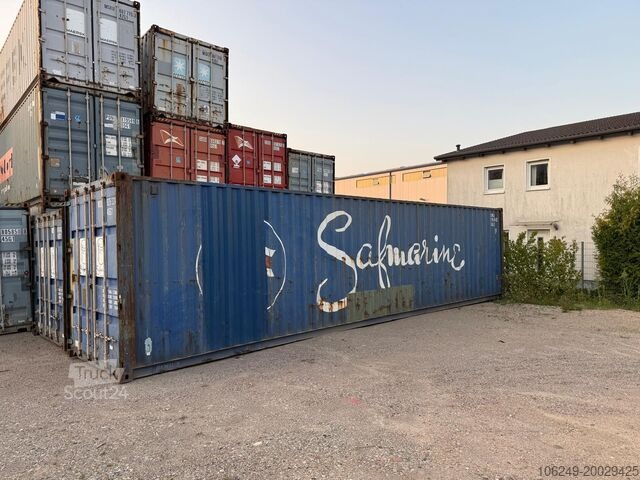
The Ultimate Guide to Container Sales (and How You Can Navigate Them Like a Pro)
Whether you run a small e‑commerce warehouse, a construction firm, or a global logistics operation, containers are the unsung heroes that keep your supply chain moving. You may think buying a container is as simple as ordering a metal box off the internet, but the reality is far richer—and more strategic—than that. In this guide you’ll discover the different types of containers, the key factors that drive prices, how to choose the right one for your business, and the steps you need to follow to close a deal with confidence.
Grab a notebook, because we’ll also provide handy checklists, comparison tables, and a FAQ section that will answer the most common questions you may have along the way.
1. Know Your Options: The Most Common Container Types
Before you even start looking at price quotes, you need to understand the basic families of containers that dominate the market. Below is a quick‑reference table that compares the most popular options.
| Container Type | Standard Dimensions (L×W×H) | Maximum Gross Weight | Typical Use Cases | Price Range (USD) |
|---|---|---|---|---|
| Dry (Standard) 20‑ft | 20′ × 8′ × 8′ 2″ (6.058 m × 2.438 m × 2.591 m) | 24,000 kg (52,910 lb) | General cargo, pallets, retail stock | $1,800 – $3,500 (new) |
| Dry (Standard) 40‑ft | 40′ × 8′ × 8′ 2″ (12.192 m × 2.438 m × 2.591 m) | 30,480 kg (67,200 lb) | Larger shipments, bulk goods | $2,800 – $5,500 (new) |
| High‑Cube 40‑ft | 40′ × 8′ × 9′ 6″ (12.192 m × 2.438 m × 2.896 m) | 30,480 kg | Volume‑intensive cargo (e‑commerce, textiles) | $3,200 – $6,200 |
| Refrigerated (Reefer) 20‑ft | Same as dry 20‑ft | 24,000 kg | Perishables, pharmaceuticals, chemicals | $5,500 – $9,200 |
| Refrigerated (Reefer) 40‑ft | Same as dry 40‑ft | 30,480 kg | Large temperature‑sensitive shipments | $7,500 – $12,000 |
| Open‑Top 20‑ft | Same as dry 20‑ft | 24,000 kg | Oversized loads, machinery, timber | $2,300 – $4,500 |
| Open‑Top 40‑ft | Same as dry 40‑ft | 30,480 kg | Construction materials, large equipment | $3,500 – $6,400 |
| Flat‑Rack 20‑ft | Same as dry 20‑ft (no side walls) | 24,000 kg | Heavy or irregular cargo (pipes, steel) | $3,000 – $5,800 |
| Flat‑Rack 40‑ft | Same as dry 40‑ft (no side walls) | 30,480 kg | Large machinery, vehicles | $4,500 – $8,200 |
| Tank (ISO) 20‑ft | 20′ × 8′ × 8′ 2″ (internal) | 22,000 kg | Liquids, gases, chemicals | $6,500 – $10,500 |
| Tank (ISO) 40‑ft | 40′ × 8′ × 8′ 2″ | 30,480 kg | Bulk liquids, petrochemicals | $9,000 – $15,000 |
Tip: Prices shown are for brand‑new containers in the United States. Used containers can be 30‑60 % cheaper, but they come with higher risk of hidden damage.
2. How to Choose the Right Container for Your Business (A Step‑by‑Step Checklist)
- Define Your Cargo Profile
- Weight vs. volume: Is your product heavy (e.g., steel parts) or bulky (e.g., furniture)?
- Temperature requirements: Do you need climate control?
- Shape: Is the cargo irregular, requiring an open top or flat‑rack?
- Match the Container to the Cargo
Use the table above to narrow down the container families that meet your criteria. - Factor in Your Logistics Network
- Transport mode: Road, rail, sea, or intermodal? Some ports have restrictions on certain container types.
- Handling equipment: Do you have cranes that can load open‑top or flat‑rack containers?
- Set a Budget and Timeline
- New containers give you a longer service life but cost more upfront.
- Used containers can be delivered faster and at a lower price, but you may need to budget for inspection and refurbishment.
- Evaluate Suppliers
- Look for certifications (ISO 1496, CSC plate).
- Request references and check the supplier’s track record for on‑time delivery.
- Plan for Future Growth
- If you anticipate scaling up, consider buying a slightly larger container now to avoid a future upgrade.
3. What Drives Container Prices? (And How to Control Costs)
| Cost Driver | Impact on Price | How You Can Mitigate |
|---|---|---|
| Material (steel grade, corrosion‑resistant coating) | Higher steel prices → higher cost | Choose standard‑grade steel for non‑critical cargo; consider a used container with a solid inspection report. |
| Size & Type (20‑ft vs. 40‑ft, reefer, tank) | Larger or specialized containers cost more | Consolidate shipments to maximize container utilization; rent a reefer only when needed. |
| Condition (new vs. used, refurbished) | New ≈ 2× used price | Inspect used containers thoroughly; look for “certified pre‑owned” units that include a limited warranty. |
| Location (proximity to port, inland) | Transport fees add 5‑20 % | Source containers near your final destination or use a supplier with a distribution network. |
| Supply/Demand Cycle (seasonal peaks, global steel shortage) | Prices can swing 15‑30 % | Plan purchases ahead of peak seasons (e.g., before Q4 holidays). |
| Regulatory Compliance (CSC, ISO, hazardous material permits) | Additional certification fees | Verify compliance early to avoid last‑minute retrofits. |
Pro tip: When you receive a quote, ask the supplier to break down the price by each of these cost drivers. It gives you leverage to negotiate or switch suppliers on specific line items.
4. Sample Pricing Matrix (New vs. Used)
| Container | New (USD) | Used – 2‑Year‑Old (USD) | Used – 5‑Year‑Old (USD) |
|---|---|---|---|
| 20‑ft Dry | $2,200 | $1,200 | $800 |
| 40‑ft Dry | $3,600 | $2,000 | $1,350 |
| 40‑ft High‑Cube | $4,200 | $2,500 | $1,600 |
| 20‑ft Reefer | $7,200 | $5,000 | $3,800 |
| 40‑ft Reefer | $10,500 | $7,300 | $5,500 |
| 20‑ft Open‑Top | $3,000 | $1,800 | $1,250 |
| 40‑ft Flat‑Rack | $5,200 | $3,400 | $2,300 |
All prices are averages for the U.S. market in 2024. Prices may vary by region and supplier.
5. The Buying Process (From Inquiry to Delivery)
- Research & Shortlist Suppliers
- Use industry directories (e.g., Container World, ICSC).
- Compare ratings, certifications, and geographic coverage.
- Request Detailed Quotations
- Provide cargo specs, desired container type, quantity, and delivery location.
- Ask for a “total landed cost” that includes freight, handling, and taxes.
- Perform a Comparative Analysis
- Use a simple spreadsheet to log: price, condition, warranty, delivery ETA, and after‑sales support.
- Inspect (If Buying Used)
- Arrange for a third‑party inspection (e.g., Bureau Veritas).
- Check for structural dents, rust, door seals, and CSC plate validity.
- Negotiate Terms
- Leverage the cost‑driver breakdown to ask for discounts on steel or shipping.
- Secure a return‑policy or warranty for any hidden defects.
- Finalize Contract
- Include clauses on delivery schedule, payment terms (e.g., 30 % deposit, 70 % upon receipt), and liability for damage in transit.
- Arrange Logistics
- Book a freight forwarder or truck carrier.
- Ensure the container is properly loaded, sealed, and documented (Bill of Lading, Packing List).
- Accept Delivery & Verify
- Perform a quick visual check upon receipt.
- Sign off on the delivery receipt only after confirming condition matches the contract.
6. Financing & Leasing: When Buying Isn’t the Best Option
| Financing Option | Pros | Cons |
|---|---|---|
| Direct Purchase (Cash) | Full ownership; no recurring fees; depreciation tax benefits. | Large upfront capital outlay. |
| Bank Loan | Spreads cost over 3‑5 years; interest may be tax‑deductible. | Requires credit approval; interest adds cost. |
| Operating Lease | Low monthly payments; easy upgrade to newer containers. | No equity built; may include mileage/usage limits. |
| Sale‑and‑Lease‑Back | Unlocks cash tied in owned containers while retaining use. | Lease payments may exceed loan interest; complex contracts. |
| Pay‑Per‑Use (Container‑as‑a‑Service) | Pay only when you need a container; ideal for seasonal peaks. | Higher per‑unit cost; limited customization. |
Bottom line: If you anticipate using the same container for more than three years, buying (or financing) usually beats leasing. For short‑term projects or fluctuating demand, a lease or pay‑per‑use model can protect cash flow.
7. Emerging Trends Shaping Container Sales
- Smart Containers – IoT sensors now monitor temperature, humidity, door status, and location in real time. Buyers are willing to pay a premium for containers equipped with these devices because they reduce spoilage and improve supply‑chain visibility.
- Sustainability – Re‑conditioning and retrofitting old containers into pop‑up stores, offices, or housing units is booming. This secondary market drives demand for high‑quality used containers and opens new revenue streams for owners.
- Modular Design – Manufacturers are offering containers with interchangeable panels (e.g., swapping a side wall for a refrigerated unit). Flexibility is becoming a selling point for businesses that handle diverse cargo types.
- Global Steel Shortage – Since 2022, steel prices have been volatile, pushing many buyers toward the used‑container market. Keep an eye on the commodity index if you’re planning a large purchase.
- Regulatory Tightening – New ISO standards for durability and carbon emissions are expected to roll out in 2026. Early adopters who upgrade now will avoid retrofitting costs later.
8. Frequently Asked Questions (FAQ)
Q1. How long does a brand‑new 40‑ft dry container typically last?
A: With proper maintenance, a new container can serve 15‑20 years before major structural repairs are needed. Many owners retire them after 12‑15 years to avoid downtime and comply with newer regulations.
Q2. What’s the difference between a “CSC plate” and an “ISO plate”?
A: Both refer to the Safety Certificate of Construction (CSC) required by the International Convention for Safe Containers. The plate is the physical label affixed to the container, confirming it meets ISO 1496 standards. In everyday language they are interchangeable.
Q3. Can I buy a used container and convert it into a refrigerated unit?
A: Yes, but it’s cost‑effective only if the base container is in excellent structural condition. Adding a refrigeration unit typically costs $4,000‑$6,000, plus electrical hookups. Verify that the container’s insulation meets the required R‑value for your cargo.
Q4. How do I know if a used container is “certified pre‑owned”?
A: Look for a third‑party inspection report that includes: CSC plate verification, damage assessment, and a one‑year warranty. Reputable suppliers often brand these containers as “ISO‑Certified Used”.
Q5. What insurance coverage do I need for containers in transit?
A: At a minimum, you should secure “All‑Risk” cargo insurance covering loss, theft, and damage. Some forwarders also offer “Container Damage Coverage” that protects against dents, rust, or door failures during handling.
Q6. Are there tax advantages to purchasing containers?
A: In many jurisdictions, containers qualify as capital assets, allowing you to depreciate them over their useful life (typically 5‑7 years for tax purposes). Consult a tax professional to maximize deductions.
Q7. How can I track my container after it leaves the port?
A: If you’ve invested in a smart container, you’ll receive a real‑time GPS feed via a web portal or mobile app. For standard containers, you can use the container number (BIC) to check status on the shipping line’s tracking system.
9. Wrap‑Up: Your Next Steps
You now have a full toolbox:
- A clear understanding of container types and their price points.
- A checklist to match cargo needs with the right container.
- A pricing matrix to gauge the cost‑effectiveness of new vs. used units.
- A step‑by‑step buying roadmap and financing options.
- Insight into industry trends that could affect future purchases.
Take action today:
- Audit your current cargo profile and identify any gaps in container capacity.
- Reach out to at least three vetted suppliers with a detailed RFQ (request for quotation).
- Use the comparison spreadsheet (feel free to copy the tables above) to evaluate proposals objectively.
When you make an informed decision, you’ll not only secure a container that fits your operational needs but also protect your bottom line for years to come. Happy container hunting!