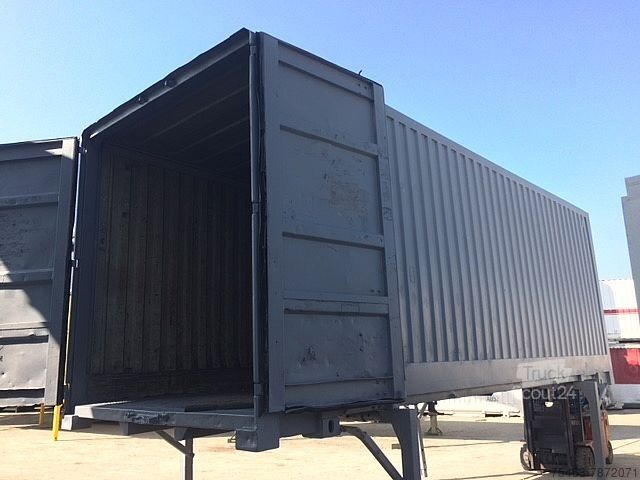
Moving Containers: The Complete Guide for Your Next Relocation
Whether you’re shifting a few boxes across town, shipping a family‑home to a new country, or moving an entire warehouse inventory, moving containers have become the go‑to solution for businesses and homeowners alike. In this guide you’ll learn everything you need to know to make the most of container‑based moves: the types of containers available, how to size and pack them, cost‑saving strategies, and the common pitfalls to avoid.
Why read this?
By the end of the article you’ll be able to plan, price, and execute a container move with confidence, no matter the scale of your project.
1. What Exactly Is a “Moving Container”?
A moving container is a sturdy, reusable steel (or aluminum) box that can be loaded with goods, sealed, and transported by truck, train, ship, or even a combination of those modes (intermodal transport). Unlike traditional moving trucks, containers stay with your cargo from door‑to‑door, protecting it from the elements and handling damage.
Key Benefits
- Security: Lockable doors and sealed seals.
- Flexibility: Can be left at a storage yard, your origin, or destination.
- Scalability: Add or subtract containers as your load changes.
2. Container Types & When to Use Them
| Container Size | Internal Dimensions (L × W × H) | Approx. Volume | Typical Use Cases | Weight Limit (max payload) |
|---|---|---|---|---|
| 20‑foot (Standard) | 5.9 m × 2.35 m × 2.39 m | 33 m³ | Small household moves, boutique inventory, equipment swaps | 28,000 kg |
| 40‑foot (Standard) | 12.0 m × 2.35 m × 2.39 m | 67 m³ | Full‑house relocations, medium‑scale commercial stock, construction materials | 28,000 kg |
| 40‑foot High‑Cube | 12.0 m × 2.35 m × 2.69 m | 76 m³ | Large furniture, bulky industrial parts, tall equipment | 28,000 kg |
| 45‑foot High‑Cube | 13.6 m × 2.35 m × 2.69 m | 86 m³ | Oversized cargo, extensive warehouse inventory, modular homes | 30,000 kg |
| 45‑foot Refrigerated (Reefer) | Same as 45‑foot HC | 86 m³ (temperature‑controlled) | Perishables, pharmaceuticals, temperature‑sensitive electronics | 27,000 kg |
How to choose:
- Volume first – Estimate the cubic meters of what you’ll be moving (see the “Packing Calculator” below).
- Weight limits – Heavy machinery may require a container with a higher payload rating or a specialised flat‑rack.
- Height matters – If you’re stacking tall items (e.g., kitchen cabinets), a high‑cube offers an extra 30 cm of clearance.
3. The Packing Calculator: Quick DIY Estimate
- List every item you plan to ship and note its dimensions (L × W × H).
- Convert to cubic meters: Multiply the three numbers, then divide by 1,000 (since 1 m³ = 1,000 L).
- Add a 10‑15 % buffer for packing material, irregular shapes, and “breathing room.”
| Example Item | L (m) | W (m) | H (m) | Volume (m³) |
|---|---|---|---|---|
| 3‑Door Sofa | 2.0 | 0.9 | 0.8 | 1.44 |
| 2‑Piece Dining Set | 2.2 | 1.2 | 0.75 | 1.98 |
| Cardboard Boxes (20) – avg 0.4 m³ each | — | — | — | 8.0 |
| Subtotal | — | — | — | 11.42 |
| +15 % buffer | — | — | — | 13.12 m³ |
Result: A single 20‑foot container (33 m³) would comfortably hold this load, leaving plenty of room for future additions.
4. Step‑by‑Step Checklist for a Smooth Container Move
- Select the Right Provider
- Verify licences (e.g., DOT, IMO).
- Check insurance coverage (cargo loss, damage, theft).
- Book Your Container Early
- Peak season (summer, holidays) can add 2‑4 weeks to lead time.
- Plan the Layout
- Sketch a floor plan of the container.
- Load heavy items first, on the floor, near the door.
- Place fragile items on top, cushioned with padding.
- Gather Packing Materials
- Heavy‑duty boxes, bubble wrap, moving blankets, straps, and a pallet jack.
- Label Every Box
- Use a colour‑coded system: Red = fragile, Blue = liquids, Green = electronics.
- Secure the Load
- Use ratchet straps and edge protectors to prevent shifting.
- Seal & Document
- Apply tamper‑evident seals.
- Photograph the interior for insurance claims.
- Arrange Transport
- Choose mode (road, rail, sea) based on distance and budget.
- Confirm customs paperwork if crossing borders.
- Track the Container
- Most providers offer GPS tracking; set up alerts for key milestones.
- Receive & Inspect
- Check seals, compare inventory list, and note any damage before signing off.
5. Cost‑Saving Tips You Can Implement Today
| Tip | How It Saves Money | Quick Implementation |
|---|---|---|
| Consolidate Shipments | Reduces per‑container fees and fuel surcharges. | Combine multiple small orders into one larger container. |
| Use a Shared Container Service | You pay only for the space you occupy. | Look for “container pooling” platforms that match senders and receivers. |
| Choose Intermodal Transport | Trains and ships are cheaper per km than trucks for long hauls. | Ask your provider for a rail‑plus‑truck combo for inland legs. |
| Pack Efficiently | Maximises cubic space → fewer containers needed. | Use nestable boxes, disassemble furniture, and employ vacuum‑seal bags for textiles. |
| Book Off‑Peak | Lower demand translates into lower rates. | Schedule moves in late autumn or early spring when possible. |
| Negotiate Insurance | Bundling cargo insurance with the carrier can be cheaper. | Request a custom quote for your total cargo value. |
6. Common Pitfalls & How to Avoid Them
- Over‑Estimating Weight – Some carriers base fees on gross weight (container + cargo). Use a bathroom scale or a portable digital scale for large items to stay within payload limits.
- Improper Loading Sequence – Placing heavy boxes on top of fragile items leads to breakage. Follow the “heavy‑bottom, light‑top” rule.
- Ignoring Customs Regulations – For international moves, missing paperwork can cause delays and fines. Keep a checklist of required documents (commercial invoice, packing list, certificate of origin).
- Skipping Seal Inspection – A broken seal could indicate tampering. Verify seals as soon as the container arrives at the destination yard.
7. Real‑World Example: A Family Move Across the Continent
Scenario: You are moving a three‑person household from Chicago to Seattle. The inventory includes three bedrooms, a living room, and a garage full of tools.
| Item Category | Approx. Volume (m³) | Recommended Container |
|---|---|---|
| Furniture (beds, sofas, tables) | 12 | 40‑ft High‑Cube |
| Kitchen appliances & dishes | 4 | 20‑ft |
| Clothing, linens, small boxes | 6 | 20‑ft |
| Garage tools & lawn equipment | 5 | 20‑ft (or shared with furniture) |
| Total | 27 m³ | One 40‑ft High‑Cube + one 20‑ft |
How the family saved $800:
- By disassembling the dining table and using vacuum‑seal bags for bedding, they shaved 3 m³ off the furniture load, allowing the 40‑ft high‑cube to accommodate everything and eliminating the need for a second container.
- They chose rail transport for the majority of the trip, which cut the freight cost by 18 % compared with an all‑truck route.
8. Frequently Asked Questions (FAQ)
Q1: How long can a container sit empty before it needs to be inspected?
A: Most providers require a quarter‑year (90 days) inspection for unused containers to ensure seals, doors, and structural integrity remain sound.
Q2: Can I load a container myself, or do I need a professional?
A: You can load it yourself if you have the equipment (forklift, pallet jack) and enough manpower. However, a professional loading service reduces the risk of damage and ensures compliance with weight distribution rules, which may be required for certain carriers.
Q3: What happens if my cargo exceeds the container’s weight limit?
A: The carrier will reject the overload and may charge a re‑load fee. To avoid this, weigh each item beforehand and keep the total below the payload limit (see the table in Section 2).
Q4: Are containers waterproof?
A: Standard containers are weather‑resistant but not fully waterproof. Water can seep in through door seals during heavy rain. For highly sensitive items, consider a sealed, insulated container or additional waterproof covers.
Q5: How do I track my container in real time?
A: Most logistics firms provide an online dashboard with GPS tracking. You’ll receive a unique container number; simply log in or use a mobile app to see its current location, estimated arrival, and any status updates.
Q6: Do I need special insurance for containers?
A: While the carrier’s liability coverage is mandatory, it often only covers up to $0.50 per kilogram of cargo. For high‑value items, purchase additional cargo insurance that covers the full replacement value.
Q7: Can I reuse a container after my move?
A: Absolutely! Many companies offer a “return‑and‑reuse” program where you pay a small deposit and receive a discount on future moves.
9. Final Thoughts: Your Roadmap to a Stress‑Free Move
Moving containers have revolutionised the logistics landscape, offering a secure, flexible, and cost‑effective way to transport everything from a handful of boxes to an entire warehouse. By following the steps outlined above—choosing the right container size, packing strategically, staying on top of paperwork, and leveraging cost‑saving tactics—you’ll navigate the process with confidence.
Remember: Planning is the cornerstone. Use the packing calculator, draw a simple layout, and treat the container like a mini‑warehouse. When you do, you’ll not only protect your belongings but also keep your budget in check.
Ready to book your container? Start by reaching out to at least three reputable providers, compare their rates and services, and request a detailed quote that includes fuel surcharges, insurance, and any optional add‑ons (like refrigeration or lift‑gate service). With the right information in hand, the next time you hear the phrase “moving containers,” you’ll know exactly what to do—and how to get the best value for your move.
Safe travels, and happy packing!