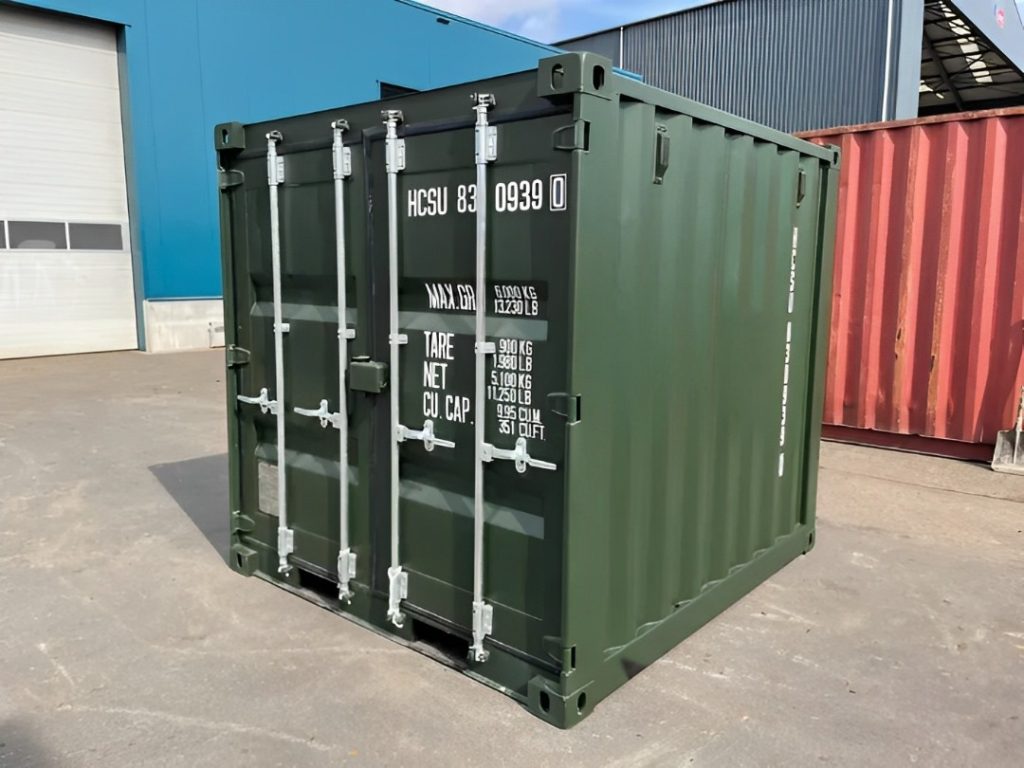
The Ultimate Guide to Buying a Second‑Hand Shipping Container (And Making It Your Own)
If you’ve ever walked past a stack of bright‑blue metal boxes at a port or a construction site, you’ve probably wondered: What could I do with one of those? The answer is—almost anything. From a sleek pop‑up shop to a rugged off‑grid cabin, a second‑hand shipping container can become the backbone of a wildly creative project—provided you know what to look for, how to price it, and how to turn it into a space that works for you.
In this friendly, step‑by‑step guide we’ll walk you through:
- Why a used container might be the perfect pick
- Key things to inspect before you buy
- Where to source one and how pricing stacks up
- Customization ideas that won’t break the bank
- Maintenance tips to keep it in ship‑shape
And, because we love making things easy, we’ve packed in a handy comparison table, a few quick checklists, and a FAQ at the end to answer the most common questions.
Let’s dive in—your next project is just a container away!
1. Why Choose a Second‑Hand Shipping Container?
| Feature | New Container | Second‑Hand Container | What It Means for You |
|---|---|---|---|
| Cost | $3,000‑$5,000 (20‑ft) $5,000‑$7,500 (40‑ft) | $1,200‑$3,500 (20‑ft) $2,000‑$5,000 (40‑ft) | You can save up to 60 % and allocate more budget to interior finishes, insulation, or equipment. |
| Availability | Limited to manufacturer lead times (4‑12 weeks) | Often on‑site at ports, depots, or scrap yards | Faster turnaround—sometimes you can drive it home the same day. |
| Environmental Impact | New steel production = high carbon footprint | Re‑using steel = significant carbon savings | You get a green solution that scores points with clients, regulators, and your own conscience. |
| Condition | Pristine, no wear | May have dents, rust, or previous modifications | A little TLC can make it as good as new—and you get a chance to inspect every weld. |
| Versatility | Identical to any other new container | Often already cut, insulated, or equipped | You might snag a unit that’s already pre‑fitted for your needs (e.g., a refrigerated “reefer”). |
Bottom line: A second‑hand container gives you the structural strength of a steel box at a fraction of the price, with the added bonus of a smaller environmental footprint. If you’re comfortable doing a quick inspection (or hiring someone to do it), you’ll be set up for success.
2. What to Inspect Before You Sign the Deal
You don’t need a marine‑engineer’s degree to determine whether a container is ready for a makeover, but a systematic check will protect you from costly surprises. Grab a flashlight, a tape measure, and a small notebook, and walk through this list:
| Item | What to Look For | Why It Matters |
|---|---|---|
| Exterior Rust | Light surface rust is normal; deep pitting or flaking steel signals structural loss. | Rust can spread, weakening the frame. |
| ** dents & Deformations** | Check corners and the roof for major dents (>1 in). | Severe dents can compromise load‑bearing capacity. |
| Doors & Hinges | Open/close smoothly; seals aren’t cracked. | Leaky doors reduce insulation and security. |
| Floor Condition | Floor panels should be solid, no rot or large holes. | The floor bears all interior loads; weak spots can sag. |
| Number Plate & Certification | Look for the ISO 668 plate (size, grade, max load). | Confirms the container meets international standards. |
| Previous Modifications | Welds, cut‑outs, insulation, or added windows. | Determines how much work you’ll need to undo or integrate. |
| Interior Condition | Look for moisture stains, mold, or lingering odors. | Indicates water ingress; may require thorough cleaning. |
Pro tip: If a seller offers a “one‑year warranty” or a recent inspection report, ask to see the paperwork. Even a brief third‑party inspection can add confidence.
3. Where to Find Good‑Quality Used Containers (and How Much They Cost)
Popular Sources
- Port Authority Sales – Many ports auction off “de‑tired” containers at the end of their shipping cycle.
- Specialty Dealers – Companies that specialize in refurbished containers often provide additional services (painting, door upgrades, etc.).
- Scrap Yards & Recycling Centers – Great for the bargain‑hunter, but you’ll need to inspect more closely.
- Online Marketplaces – Sites such as eBay, Craigslist, and specialized platforms (e.g., ContainerAuction.com) list containers nationwide.
Quick Cost Comparison
| Source | Typical Price (20‑ft) | Typical Price (40‑ft) | Lead Time | Extra Services |
|---|---|---|---|---|
| Port Auction | $1,200‑$1,800 | $2,200‑$3,200 | 1‑2 weeks (after win) | Usually “as‑is,” no painting. |
| Specialty Dealer | $1,800‑$2,500 | $3,000‑$4,200 | 1‑3 weeks | May include cleaning, painting, basic insulation. |
| Scrap Yard | $800‑$1,400 | $1,600‑$2,800 | Same‑day pickup (if local) | Usually raw steel; expect rust. |
| Online Marketplace | $1,000‑$3,000 | $2,000‑$5,000 | 1‑4 weeks (shipping) | Varies; read seller reviews carefully. |
How to Choose: If you need a container fast and are comfortable handling a few dents yourself, a scrap yard is ideal. If you want a turnkey unit with minimal prep, a specialty dealer may be worth the extra cost.
4. Turning a Box Into a Dream Space – Low‑Cost Customization Ideas
You don’t have to become a full‑blown contractor to make a container feel like home (or office). Below are some budget‑friendly upgrades that deliver big impact.
| Upgrade | Approx. Cost (per 20‑ft unit) | Difficulty | Effect |
|---|---|---|---|
| Exterior Paint (weather‑resistant) | $300‑$500 | Low (DIY) | Fresh look, added rust protection |
| Insulation (spray foam or rigid board) | $600‑$900 | Medium (needs tools) | Comfortable interior temps, reduces condensation |
| Flooring (epoxy coating + interlocking tiles) | $400‑$700 | Medium | Durable, easy‑to‑clean surface |
| Windows & Skylights (pre‑cut kits) | $250‑$500 (each) | Medium | Natural light, ventilation |
| Electrical Wiring & LED lighting | $350‑$800 | Medium‑High (must follow code) | Functional workspace, mood lighting |
| Interior Partition Walls | $200‑$400 per wall | Medium | Creates separate rooms or storage |
| Roof Racking / Solar Panels | $600‑$1,200 | High (requires structural check) | Off‑grid power, extra storage |
DIY Tips:
- Paint first, then seal – A high‑quality rust‑inhibiting primer followed by marine‑grade paint gives the longest life.
- Insulate from the inside – Spray foam expands to fill gaps, sealing around door frames and windows.
- Use modular furniture – Stackable pallets, fold‑out benches, and mobile shelving keep the interior flexible.
5. Keep Your Container in Ship‑Shape: A Simple Maintenance Checklist
A container, even when repurposed, thrives on periodic care. Run this quick check quarterly and you’ll extend its lifespan for years.
| Frequency | Task | Why It Matters |
|---|---|---|
| Monthly | Inspect door seals for cracks; wipe down any moisture | Prevents water ingress and rust. |
| Quarterly | Touch‑up paint on any exposed steel; tighten loose bolts | Maintains corrosion resistance and structural integrity. |
| Bi‑annually | Clean interior, vacuum or sweep floors, check for mold | Keeps the space healthy for occupants. |
| Annually | Professional structural inspection (especially if heavily modified) | Ensures load‑bearing capacity remains safe. |
| Every 2‑3 years | Re‑apply a full coat of exterior paint (if needed) | Restores protective barrier after years of sun & rain. |
Quick Fix: If you spot a small rust spot, sand it down, apply a rust converter, then prime and paint. This three‑step rescue can stop a tiny blemish from becoming a major problem.
6. Frequently Asked Questions (FAQ)
Q1: Are second‑hand containers safe for residential living?
A: Absolutely—provided they meet structural standards and are properly insulated, ventilated, and wired to local codes. Many tiny‑home enthusiasts live in refurbished containers with all the comforts of a traditional house.
Q2: How long does a used container last?
A: Steel containers are designed for a 20‑year service life at sea. With proper maintenance, a land‑based container can easily exceed 30‑40 years.
Q3: Can I stack two containers for a two‑story building?
A: Yes, but you’ll need to verify the container’s grade (typically “C” for standard, “D” for heavier loads) and may require additional reinforcement. Consulting a structural engineer is recommended.
Q4: Do I need a permit to place a container on my property?
A: It varies by jurisdiction. Most municipalities treat a container as a temporary structure, but permanent installations (e.g., a tiny home) usually require building permits, zoning clearance, and utility connections.
Q5: What’s the difference between a “dry” container and a “reefer”?
A: A dry container is the standard box we’ve discussed. A reefer (refrigerated container) comes with built‑in insulation and a cooling unit—ideal if you need temperature control but more expensive and heavier.
Q6: How do I transport a container from the seller to my site?
A: Small containers (up to 20 ft) can be hauled by a standard flatbed truck with a crane or forklift. Larger 40‑ft units often need a tractor‑trailer and may require a permit for oversized loads.
Q7: Is there a risk of hazardous chemicals lingering in a used container?
A: Generally no, unless the container previously stored hazardous cargo. Ask the seller for the container’s cargo history; you can also request a cleaning certificate to be sure.
7. Ready to Get Started?
You now have a clear roadmap: inspect, price‑compare, customize, and maintain. Whether you’re dreaming of a backyard office, a pop‑up café, or an eco‑friendly tiny house, a second‑hand shipping container offers a sturdy, affordable, and environmentally friendly foundation.
Next steps you can take today:
- Make a shortlist of three local sources (port auction, dealer, scrap yard).
- Schedule a visit and run the inspection checklist.
- Set a budget for the container plus your top three upgrades (paint, insulation, lighting).
- Sketch a floor plan—even a simple doodle helps you see how the space will flow.
- Reach out to a local contractor (or DIY‑friendly friend) to confirm any structural changes you’re planning.
Remember, the container is just a canvas. The magic happens when you add your own personality, function, and flair. So roll up your sleeves, grab a coffee, and start turning that steel box into something uniquely yours.
Happy building! 🚢🏡✨