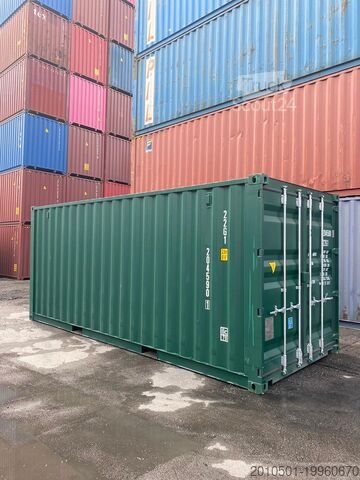
The Ultimate Guide to Buying a Shipping Container in the UK
If you’re scrolling through listings for a shipping container for sale UK, you’re probably looking for a versatile, sturdy, and cost‑effective solution for storage, a pop‑up shop, a tiny home, or even a DIY workshop. The market is full of options, and the right choice can save you money, time, and headaches.
Below you’ll find everything you need to know before you place that first order – from the different container types and sizes to the legal considerations, delivery options, and maintenance tips. Use this guide as a checklist, and you’ll feel confident that you’re getting exactly what you need.
1. Why a Shipping Container Might Be the Perfect Fit for You
| Benefit | How It Helps You | Typical Use‑Cases |
|---|---|---|
| Durability | Made from C‑rated steel, containers resist weather, rust, and impact. | Outdoor storage, construction sites |
| Mobility | Built to be lifted by a crane and moved on a trailer. | Pop‑up retail, event stalls |
| Security | Lockable doors, thick steel walls, and optional alarm systems. | Secure document or equipment storage |
| Affordability | New builds cost £2,500‑£4,500; used units can be under £1,000. | Budget‑conscious homeowners, startups |
| Scalability | Stackable and can be combined into larger structures. | Modular offices, multi‑unit workshops |
| Eco‑friendly | Repurposing a container reduces waste and carbon footprint. | Tiny homes, sustainable projects |
If any of those bullet points line up with what you’re after, a shipping container could be the answer you’ve been searching for.
2. Types of Containers You’ll Find on the UK Market
| Container Type | Dimensions (L × W × H) | Load Capacity | Typical Price Range* | Best For |
|---|---|---|---|---|
| Standard 20‑ft (Dry) Container | 6.06 m × 2.44 m × 2.59 m | 21 t | £850‑£2,200 (used) | Small storage, mobile shop |
| Standard 40‑ft (Dry) Container | 12.19 m × 2.44 m × 2.59 m | 26 t | £1,200‑£3,500 (used) | Larger storage, workshop |
| High‑Cube 40‑ft Container | 12.19 m × 2.44 m × 2.90 m | 26 t | £1,400‑£4,200 (used) | Tall equipment, taller interiors |
| 40‑ft Refrigerated (Reefer) Container | 12.19 m × 2.44 m × 2.59 m | 26 t | £2,500‑£6,000 (used) | Food & pharma storage |
| Open‑Top Container | 12.19 m × 2.44 m × 2.59 m | 26 t | £1,300‑£4,000 (used) | Oversized loads, construction |
| Flat‑Rack Container | 12.19 m × 2.44 m × 0.5 m | 26 t | £1,500‑£5,000 (used) | Heavy machinery, steel beams |
| Specialty Container (e.g., Office, Bathroom) | Varies | Varies | £2,000‑£8,000+ | Custom projects, site offices |
* Prices are indicative for used containers in good condition as of 2024. New containers typically add 30‑50 % to the listed price.
3. How to Choose the Right Container for Your Project
- Define the Purpose – Store tools? Build a tiny house? Sell products at a market? The answer decides size, type, and interior fit‑out.
- Measure the Space – Verify the door width, interior height, and floor load capacity of the intended location.
- Consider Modifications – Do you need windows, insulation, or a side door? Ask the supplier if they provide pre‑fit options or if you’ll need a contractor.
- Check Condition – “As‑is” used containers may have dents, rust, or water damage. Request a condition report and photos.
- Calculate Total Cost – Include delivery, permits, foundation, and any conversion work. A £1,500 container can quickly become a £4,000 project once you factor in ground preparation and interior fit‑out.
- Verify Legal Requirements – Some local councils require planning permission for containers used as dwellings or commercial premises.
4. Where to Buy Shipping Containers in the UK
| Supplier | Location | What They Specialise In | Delivery Range | Typical Lead Time |
|---|---|---|---|---|
| Container Solutions Ltd | West Midlands | New & refurbished dry containers | UK-wide (incl. islands) | 7‑10 days |
| Sea Containers UK | London | Reefer and high‑cube units | Nationwide | 5‑8 days |
| Container Sales Direct | Manchester | Open‑top & flat‑rack for construction | UK + EU | 10‑14 days |
| The Container Store (Online) | Nationwide (Online) | Small 20‑ft units, quick‑ship | UK-wide | 3‑5 days |
| Local Scrapyards & Port Auctions | Various | Budget used containers (often with minor wear) | Local only | Same‑day to 2 weeks |
Tip: Request a quote that includes a “full‑service” package – container, delivery, placement, and a brief inspection. It often works out cheaper than hiring separate transport and inspection services.
5. The Delivery Process – What to Expect
- Site Survey – The supplier will ask for a site plan or photos to confirm access routes, ground bearing capacity, and any obstacles (e.g., low bridges).
- Foundation Options
- Concrete Pad – Most durable, recommended for permanent installations.
- Gravel Bed – Quick and cheap, suitable for temporary storage.
- Steel Frame – Ideal for mobile or modular setups.
- Loading & Transport – Containers travel on low‑loader trailers. Expect a 2‑tonne vehicle for a 20‑ft unit and a 3‑tonne for a 40‑ft unit.
- Placement & Leveling – Once on site, the driver will use a crane or forklift to position the container. A spirit level ensures it sits flat, preventing door misalignment.
- Final Inspection – Verify that doors open/close smoothly, locks work, and the container matches the condition report.
6. Maintaining Your Container – Simple Tips to Keep It in Top Shape
| Maintenance Task | Frequency | How to Do It |
|---|---|---|
| Exterior Wash | Quarterly | Use a hose, mild detergent, and a soft brush. Rinse thoroughly to avoid salt buildup (particularly on the coast). |
| Inspect for Rust | Every 6 months | Look for red‑orange spots, especially around welds and door frames. Touch up with anti‑rust paint if needed. |
| Door Seal Check | Annually | Examine rubber gaskets for cracks. Replace any damaged seals to maintain weatherproofing. |
| Ventilation | Ongoing | Keep vents clear to avoid condensation inside. If you use the container as a workspace, consider installing a small extractor fan. |
| Floor Inspection | Annually | Look for dents or water pooling. Reinforce with additional timber or metal plates if you store heavy equipment. |
| Security Audit | Every 12 months | Test locks, consider adding a CCTV camera or a motion‑sensor alarm for high‑value contents. |
By staying proactive, you can avoid costly repairs and extend the lifespan of your container well beyond the typical 10‑15 year warranty period.
7. Frequently Asked Questions (FAQ)
Q1: Do I need planning permission to place a container on my property?
Answer: For temporary storage or a non‑habitable structure, most councils waive the need for a planning permit if the container is less than 10 m² and not used as a dwelling. However, if you plan to convert it into a home, office, or commercial space, you’ll generally require permission. Always check with your local planning authority first.
Q2: How much does delivery cost?
Answer: Delivery fees vary based on distance, container size, and ground conditions. Expect £100‑£250 for standard delivery within 50 miles, and £250‑£500 for longer distances or difficult access sites.
Q3: Can I customize a container before it arrives?
Answer: Many suppliers offer factory‑fit options – pre‑installed doors, windows, insulation, or even electrical wiring. Custom work done after delivery typically costs more because of labor and site constraints.
Q4: What’s the difference between a “dry” and a “reefer” container?
Answer: A dry container is a basic steel box used for general cargo. A reefer (refrigerated) container contains insulated walls and a built‑in cooling unit, maintaining temperatures between -30 °C and +30 °C. Reefer units are more expensive and require power to operate.
Q5: Are used containers safe?
Answer: Yes, provided they have been inspected for structural integrity and are free from hazardous residues. Always ask for a condition report and, if possible, a third‑party inspection before purchase.
Q6: How do I secure a container against theft?
Answer: Use high‑security lock cylinders, reinforce the door hinges, add a steel security bar, and consider an alarm system or CCTV. For high‑value goods, a combination of physical and electronic security works best.
Q7: Can I stack containers?
Answer: Absolutely. Standard 20‑ft and 40‑ft containers are designed to be stacked up to four units high when placed on a reinforced foundation. Ensure the ground can bear the load (approximately 10 t per stacked container).
8. Quick Checklist Before You Buy
- Define the exact purpose and required size.
- Research suppliers and request quotations (include delivery and foundation).
- Verify local planning regulations.
- Ask for a detailed condition report and photos.
- Confirm delivery logistics (access, ground bearing capacity).
- Budget for any modifications (insulation, windows, doors).
- Arrange a post‑delivery inspection and sign off on any damage.
9. Real‑World Example: Turning a 40‑ft High‑Cube Container into a Home Office
Scenario: You’re a freelance graphic designer based in Manchester and need a dedicated, quiet space away from household distractions.
Solution: Purchase a used 40‑ft high‑cube container (£2,200) from a local supplier. Add insulation (£700), a double‑glazed side window (£350), and a small solar panel kit (£400). Install a concrete pad (£1,000) and a lockable door (£120). Total cost: ≈£4,770.
Outcome: Within four weeks you have a fully functional, climate‑controlled home office that you can relocate if you move to a new city.
This case illustrates how a relatively modest investment can unlock a flexible, professional workspace—a perfect blend of functionality, mobility, and cost‑efficiency.
10. Final Thoughts
Purchasing a shipping container for sale UK is more than just clicking “Add to Cart.” It’s a strategic decision that can solve storage problems, fuel entrepreneurial ventures, or even become a stylish, sustainable living space. By understanding the different container types, evaluating your exact needs, and working with reputable suppliers, you’re setting yourself up for success.
Take the time to run through the checklist, ask the right questions, and plan for the extra costs beyond the purchase price. With proper delivery, a solid foundation, and regular maintenance, your container will serve you reliably for years to come.
Ready to start the hunt? Browse local listings, request quotes, and imagine the countless possibilities a steel box can unlock. Happy container hunting!