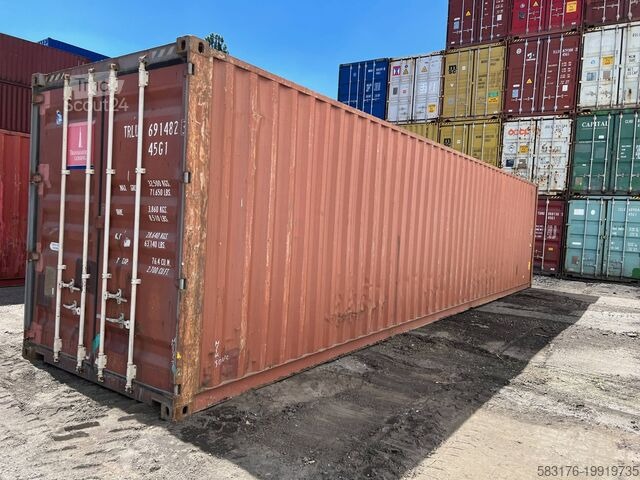
Shipping Containers for Storage: The Practical Guide You’ve Been Waiting For
Whether you’re a small‑business owner looking for a rugged on‑site warehouse, a homeowner needing extra space for garden tools, or a disaster‑relief coordinator scrambling for rapid‑deployment storage, shipping containers have become the go‑to solution for flexible, secure, and affordable storage. In this long‑form guide you’ll discover exactly how containers work, which type fits your needs, how to size and price them, and what you must consider before you hit “order.”
1. Why Shipping Containers Beat Traditional Storage
| Feature | Shipping Container | Conventional Metal Shed | Wooden Barn |
|---|---|---|---|
| Durability | Designed for ocean voyages – withstands wind, rain, salt, and impacts | Generally sturdy but prone to rust without coating | Susceptible to rot, pests, fire |
| Security | Solid steel walls, lockable doors, optional reinforcement | Simple hinges, often flimsy locks | Easy to breach |
| Mobility | Can be lifted by crane or forklift; moved on trailer | Usually static; moving requires demolition | Heavy, difficult to relocate |
| Cost‑per‑square‑foot | $15‑$30 (incl. delivery) | $20‑$40 | $25‑$50 |
| Customization | Insulation, windows, shelving, HVAC, solar panels | Limited | Moderate (depends on carpenter) |
| Lifespan | 25‑40 years (if maintained) | 15‑25 years | 10‑20 years |
Bottom line: If you need a storage unit that can survive the elements, travel across continents, and be tailored to precise specifications, a shipping container is usually the smartest, most cost‑effective option.
2. Types of Containers You Can Turn into Storage
| Container Type | Dimensions (ft) | Internal Volume (cu ft) | Typical Use Cases |
|---|---|---|---|
| 20‑Foot Standard | 20 × 8 × 8.5 | 1,150 | Small‑business inventory, seasonal gear |
| 40‑Foot Standard | 40 × 8 × 8.5 | 2,390 | Large‑scale equipment, vehicle bays |
| 40‑Foot High‑Cube | 40 × 8 × 9.5 | 2,720 | Offices, refrigerated storage, taller machinery |
| Open‑Top | Varies (20‑/40‑ft) | Same as standard | Materials that need overhead loading |
| Flat‑Rack | 20‑/40‑ft | Minimal interior (frames only) | Oversized cargo, construction beams |
| Refrigerated (Reefer) | 40‑ft | 2,300 (insulated) | Perishables, pharmaceuticals |
Pro tip: For most on‑site storage, a 20‑foot or 40‑foot standard container will do the job. Choose a high‑cube only when you need extra headroom for forklifts, shelving units, or lofts.
3. How to Choose the Right Container for Your Needs
3.1 Assess Your Space Requirements
- Make a detailed inventory of everything you plan to store.
- Calculate the total cubic footage (length × width × height).
- Add a 20‑30 % buffer for future growth and easy access.
3.2 Decide on Modifications
| Modification | Why You Might Want It | Approximate Cost Add‑On* |
|---|---|---|
| Insulation (spray foam or panel) | Climate control, temperature‑sensitive items | $1,200‑$2,500 |
| Ventilation fans | Prevent condensation, improve air quality | $150‑$400 |
| Side doors or windows | Quick access, natural light | $500‑$1,200 |
| Shelving & Racking | Optimize vertical space | $300‑$1,000 |
| Solar power kit | Off‑grid lighting, small appliances | $800‑$2,000 |
| Security lock system | Enhanced protection | $100‑$350 |
*Costs are estimates for a 40‑ft unit in the United States; prices vary by region and supplier.
3.3 Factor In Delivery & Placement
- Delivery distance: Many suppliers charge $1‑$3 per mile over a base radius (often 50 mi).
- Site preparation: A level concrete pad or compacted gravel base is essential (≈$5‑$10 / sq ft).
- Permits: Some municipalities require a building permit for containers over a certain size.
4. Real‑World Applications: 5 Scenarios Where Containers Shine
| Scenario | Container Choice | Key Customizations |
|---|---|---|
| Urban Retail Stockroom | 20‑ft high‑cube | Insulation, shelving, 2‑door access |
| Construction Site Tool Shed | 40‑ft open‑top | Heavy‑duty lock, ramp for forklift, on‑site crane |
| Home Garden & Bike Storage | 20‑ft standard | Side door, lockable padlock, small solar light |
| Disaster Relief Supply Hub | 40‑ft reefer (if needed) | Refrigeration, external signage, portable generator |
| Pop‑Up Café Office | 40‑ft high‑cube | Windows, interior partition, HVAC, Wi‑Fi router mount |
5. Budgeting: How Much Will a Container Cost You?
Below is a simplified cost breakdown for a typical 40‑foot container in the U.S., inclusive of common add‑ons and delivery (based on 2024 market data).
| Item | Low‑End Price | Mid‑Range Price | High‑End Price |
|---|---|---|---|
| Base Container (used, good condition) | $2,200 | $3,500 | $5,000 |
| Delivery (up to 100 mi) | $300 | $600 | $1,000 |
| Site Preparation (10 × 10 ft pad) | $500 | $800 | $1,200 |
| Insulation + Ventilation | $1,200 | $1,800 | $2,500 |
| Security Locks & Door Reinforcement | $100 | $250 | $400 |
| Optional Solar Power Kit | $800 | $1,300 | $2,000 |
| Total Estimated Cost | $5,100 | $7,750 | $12,100 |
Add‑ons like shelving, painting, or custom branding can increase the price further.
Tip: If you’re on a tight budget, consider buying a used container from a reputable dealer and adding only the essential modifications.
6. Maintenance Checklist – Keep Your Container in Top Shape
- Exterior inspection (quarterly): Look for rust, dents, or broken seals.
- Door gaskets: Clean and reseal any cracked rubber to keep water out.
- Floor condition: Sweep debris, check for cracks, and apply a concrete sealant every 2‑3 years.
- Ventilation: Ensure fans are free of dust; clean vents to avoid condensation.
- Security: Test locks and replace batteries in electronic systems annually.
A well‑maintained container can outlast a traditional shed by decades and protect your assets from the elements and theft.
7. Frequently Asked Questions (FAQ)
Q1: Can I place a shipping container on a residential driveway?
A: Yes, provided the surface can support the container’s weight (≈ 4,000 lb for a 20‑ft unit). A concrete pad or reinforced gravel base is recommended. Check local zoning ordinances; some HOA’s restrict “industrial” structures.
Q2: Are shipping containers safe for storing hazardous materials?
A: Only when they are specifically designed and certified for that purpose (e.g., UN-rated containers). Standard containers are not suitable for flammable liquids or chemicals without proper ventilation and fire‑suppression systems.
Q3: How long does delivery typically take?
A: From order confirmation to arrival, most suppliers need 2‑4 weeks for a standard container, longer if you require custom modifications or if delivery distance exceeds 200 mi.
Q4: What is the difference between a new and a used container?
A: New containers are brand‑new, straight from the shipyard, with no wear, usually costing 30‑50 % more. Used containers are inspected, repaired, and sold at a discount; they may have minor dents but are structurally sound.
Q5: Can I stack containers for vertical storage?
A: Absolutely. A standard 20‑ft container can safely support a second 20‑ft container on top when placed on a proper foundation and secured with twist‑locks or a forklift‑grade frame. Always follow engineering guidelines for weight distribution.
Q6: Are there any tax benefits or incentives for using containers?
A: Some local governments offer tax abatements for using repurposed containers in commercial development or for sustainable building projects. Check with your city’s planning department for specific programs.
Q7: How do I protect the interior from condensation?
A: Install insulation (spray foam or panel), a vented roof, and a dehumidifier if the container will house moisture‑sensitive items. Adding a vapor barrier on the interior walls further reduces condensation.
8. Quick‑Start Checklist – Get Your Container Up and Running in a Week
- Define storage goals (size, climate control, security).
- Select container type (20‑ft, 40‑ft, high‑cube, etc.).
- Request quotes from at least three reputable suppliers.
- Arrange site preparation (permit, foundation, utilities).
- Finalize customizations (insulation, doors, shelving).
- Schedule delivery and confirm exact placement coordinates.
- Inspect upon arrival, sign off on condition, and lock in the security system.
Follow this list and you’ll have a functional, lock‑tight storage solution ready for your inventory, tools, or emergency supplies in under a month.
9. Final Thoughts: Is a Shipping Container Right for You?
If you’ve been wrestling with cramped garages, leaky sheds, or sky‑high rental storage fees, a shipping container could be the answer you’ve been searching for. They bring industrial strength, modular flexibility, and a clear cost advantage—especially when you factor in their long lifespan and low maintenance needs.
Remember, the key to a successful container project is planning: measure your space, budget for essential upgrades, and check local regulations before you buy. With the right choices, you’ll turn a steel box into a secure, organized hub that serves you for years to come.
Ready to start? Browse reputable container dealers, request a quote, and step into a world where storage is no longer a chore but a strategic asset.
Happy storing!