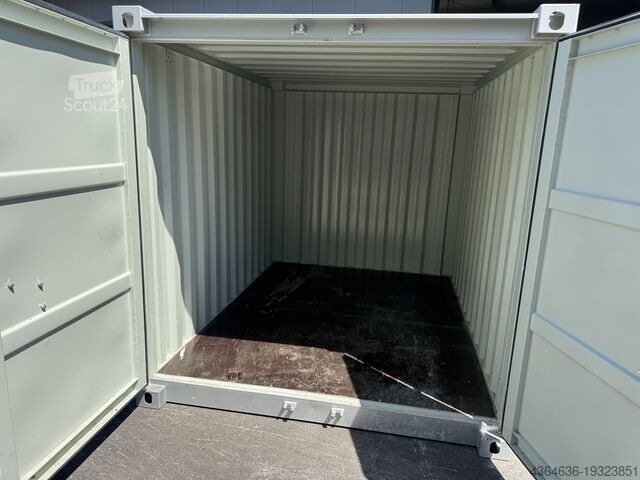
Shipping Containers From the UK – The Complete Guide for Your Business
When you think about moving goods across borders, the image that usually pops up is a massive metal box rolling onto a cargo ship. Yet, behind that simple silhouette lies a whole ecosystem of standards, regulations, and choices that can make—or break—your supply‑chain efficiency. If you’re considering buying, leasing, or importing shipping containers from the United Kingdom, you’re in the right place. This guide walks you through everything you need to know, from the different container types and pricing structures to the paperwork that keeps customs happy.
1. Why Choose the UK as Your Container Source?
| Benefit | What It Means for You |
|---|---|
| Stringent Quality Standards | British manufacturers follow ISO 16628 and the Container Safety Convention (CSC). Your container will meet or exceed global safety benchmarks. |
| Strategic Location | The UK’s major ports—Felixstowe, Southampton, Liverpool—offer direct links to Europe, the Atlantic, and the Mediterranean, reducing transit times. |
| Robust Logistics Network | Road, rail, and intermodal services are coordinated through the Department for Transport, ensuring reliable inland movement. |
| Transparent Pricing | Competitive market with a mix of new and used stock, plus clear invoicing that includes VAT and customs duties where applicable. |
| After‑sales Support | Many suppliers provide on‑site inspections, retro‑fits, and warranty packages, giving you peace of mind long after delivery. |
These advantages translate into smoother project timelines, lower risk of non‑compliance, and often a better total cost of ownership.
2. The Container Toolbox – Types You’ll Encounter
Choosing the right container is more than “bigger = better.” Below is a quick‑reference table that outlines the most common variants you’ll see on UK dealer websites.
| Type | Internal Dimensions (L × W × H) | Typical Use‑Case | Weight (Tare/Max Load) |
|---|---|---|---|
| 20‑ft Standard | 5.90 m × 2.35 m × 2.39 m | General cargo, small‑scale warehousing | 2,300 kg / 28,200 kg |
| 40‑ft Standard | 12.03 m × 2.35 m × 2.39 m | Bulk goods, pallets, modular offices | 3,800 kg / 26,500 kg |
| 40‑ft High‑Cube | 12.03 m × 2.35 m × 2.90 m | Light but voluminous items (e.g., textiles) | 3,800 kg / 26,500 kg |
| 20‑ft Refrigerated (Reefer) | 5.44 m × 2.30 m × 2.26 m | Perishables, pharmaceuticals | 3,300 kg / 28,000 kg |
| 40‑ft Open‑Top | 12.03 m × 2.35 m × 2.39 m (no roof) | Oversized cargo, machinery | 3,800 kg / 26,500 kg |
| 40‑ft Flat‑Rack | 12.03 m × 2.35 m × 2.39 m (collapsible sides) | Heavy equipment, construction materials | 3,800 kg / 24,000 kg |
Tip: If you need to convert a container into a pop‑up shop or an office, the high‑cube or a “dry‑box” with side doors is often the most adaptable.
3. How to Pick the Perfect Container for Your Business
Use this checklist before you start requesting quotes:
- Cargo Profile – Is it dry, refrigerated, hazardous, or oversized?
- Volume vs. Weight – A high‑cube offers extra height, but a 20‑ft may be enough for heavy, dense items.
- Regulatory Requirements – Certain goods (e.g., chemicals) need certified venting or fire‑safety features.
- Delivery Destination – Ports with depth restrictions may limit you to 20‑ft units.
- Future Flexibility – Think about whether you might later repurpose the container for storage or a site office.
When you line up these factors, you’ll be able to ask suppliers targeted questions and avoid costly “got‑chas.”
4. From Quote to Doorstep – The Buying Process
| Step | What You Do | Typical Timeline |
|---|---|---|
| 1. Supplier Search | Use directories (e.g., Container Hub UK) or trade shows to shortlist vendors. | 1‑2 weeks |
| 2. Request for Quotation (RFQ) | Provide dimensions, condition (new/used), and any modifications. | 2‑5 days |
| 3. Review & Negotiate | Compare prices, warranty, and delivery terms. Look for “Incoterms” (e.g., DAP, FOB). | 1‑2 weeks |
| 4. Order Confirmation | Sign contract, pay deposit (usually 30 %). | 1‑3 days |
| 5. Inspection & Certification | Supplier sends CSC plate, ISO 9001 certificates, and a pre‑delivery inspection report. | Concurrent with step 4 |
| 6. Logistics Planning | Arrange inland haulage (road/rail) and sea‑freight booking if shipping abroad. | 1‑2 weeks |
| 7. Customs Clearance | Submit commercial invoice, packing list, and C88 declaration. Pay any import duties/VAT. | 2‑5 days (UK) |
| 8. Final Delivery | Container is off‑loaded at your site, inspected again, and signed off. | 1‑3 days |
Pro Tip: Choose a supplier that offers “door‑to‑door” service. It consolidates the above steps into a single point of contact and can shave days off lead time.
5. Pricing Snapshot – What Should You Expect?
| Container Type | New (GBP) | Used (GBP) | Typical Lease (per month) |
|---|---|---|---|
| 20‑ft Standard | £2,300 – £3,500 | £1,200 – £2,000 | £120 – £180 |
| 40‑ft Standard | £3,500 – £5,200 | £2,200 – £3,500 | £200 – £280 |
| 40‑ft High‑Cube | £3,800 – £5,800 | £2,500 – £4,000 | £210 – £300 |
| 20‑ft Reefer | £6,500 – £9,000 | £4,200 – £6,500 | £400 – £550 |
| 40‑ft Open‑Top | £4,000 – £5,600 | £2,800 – £4,200 | £230 – £320 |
| 40‑ft Flat‑Rack | £4,200 – £5,900 | £3,000 – £4,500 | £250 – £340 |
Prices are indicative for 2024‑25 and may vary with steel market fluctuations, exchange rates, and seasonal demand.
6. Shipping Your Container – Sea, Road, or Rail?
| Mode | Pros | Cons | Typical Transit Time (UK → EU) |
|---|---|---|---|
| Sea‑Freight | Low cost per TEU, high capacity, reliable for bulk shipments | Port congestion, longer paperwork | 5‑10 days (Port to Port) |
| Road | Door‑to‑door flexibility, faster for short distances | Subject to traffic, driver availability | 1‑3 days (UK to Northern France) |
| Rail | Environmentally friendly, lower carbon footprint | Limited to rail‑linked terminals | 2‑4 days (London to Hamburg) |
If you’re moving a single container, road haulage is often the quickest choice. For larger volumes, a combination (intermodal) can give you both cost efficiency and speed.
7. Keeping Your Container Legal & Longevity‑Ready
- CSC Plate & Annual Inspection – Every container must display a valid Convention on the Safety of Life at Sea (CSC) plate. Arrange a Certified Inspector (CI) check every 12 months.
- ISO 9001 & ISO 14001 – If you care about quality management and environmental impact, request evidence of these certifications from the supplier.
- Modifications – Adding side doors, ventilation, or a roof hatch is common. Ensure any alteration is signed off by a CI to keep the CSC valid.
- Corrosion Control – Schedule a spray‑painting or sandblasting session every 3–5 years, especially if your container will sit near the coast.
- Insurance – A “All‑Risk” policy covering loss, damage, and cargo theft is a small price to pay for peace of mind.
8. Frequently Asked Questions
| Question | Answer |
|---|---|
| Do I need a licence to import containers into the UK? | No specific licence is required for the container itself, but you must have an EORI number to clear customs. |
| Can I get a container delivered directly to my warehouse? | Yes. Many UK suppliers offer “door‑to‑door” delivery that includes road transport from the port to your site. |
| What’s the difference between FOB and CIF? | FOB (Free on Board) means the seller covers costs up to the port of loading; you arrange sea freight. CIF (Cost, Insurance, Freight) includes shipping and insurance to the destination port. |
| How does VAT work on a container purchase? | If you’re a VAT‑registered business in the UK, you can reclaim the 20 % VAT on a new container purchase. Used containers may be exempt, depending on the seller’s status. |
| Are there any restrictions on exporting a container from the UK after it’s been modified? | Modifications must not compromise the CSC plate. You’ll need a post‑modification inspection before the container can be re‑exported. |
| What is the typical lifespan of a steel shipping container? | With proper maintenance, a container can last 25‑30 years, even longer for well‑kept, dry‑stored units. |
| Can I rent a container for a short‑term project? | Yes. Many UK firms provide flexible leasing options, from a single month up to several years. |
| How do I verify a supplier’s credibility? | Look for membership in the British Container Trade Association (BCTA), ask for client references, and check if they hold an ISO 9001 certification. |
| Do containers require any special marking for hazardous goods? | Yes. The UN number and proper placarding must be displayed on the exterior according to ADR (European Agreement concerning the International Carriage of Dangerous Goods by Road). |
| Is it cheaper to buy a used container than a new one? | Generally, yes—used containers can be 30‑50 % cheaper. However, factor in potential repair costs and the loss of warranty. |
9. Bottom Line – Your Next Move
You now have a clear roadmap: understand the UK’s quality standards, identify the container type that matches your cargo, run through a structured buying process, and keep compliance front‑and‑center. By leveraging the UK’s strategic port locations and robust logistics network, you can cut lead times, reduce hidden costs, and keep your supply chain flowing smoothly.
Ready to take the next step? Start by compiling a short brief of your cargo requirements and reach out to at least three BCTA‑member suppliers for quotes. Compare not just price, but also warranty, delivery terms, and after‑sales support. The right container is out there—your job is to match it with the right partner.
Happy shipping!