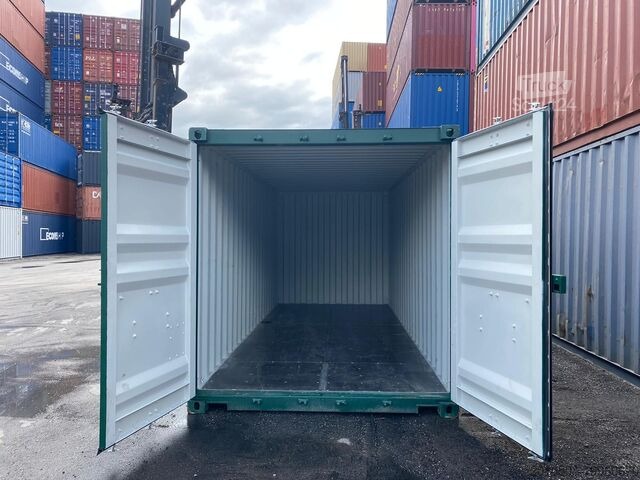
Shipping Container Housing: A Practical Guide for the Modern Builder
If you’ve ever imagined turning a rust‑red steel box into a stylish, sustainable home, you’re not alone. Shipping container housing has moved from a niche experiment to a mainstream solution for urban densification, disaster relief, and eco‑friendly living. In this post you’ll discover the why, the how, and the what‑ifs of building your own container‑based residence.
1. Why Consider a Shipping Container Home?
| Factor | Traditional Build | Container Home |
|---|---|---|
| Construction Time | 6‑12 months (sometimes longer) | 4‑12 weeks for a basic 20‑ft unit |
| Material Waste | 30‑50 % of on‑site waste | < 5 % waste (reused steel) |
| Structural Strength | Wood framing, vulnerable to rot, insects | 28‑gauge Corten steel, rated for 20,000 lb/m² |
| Mobility | Fixed foundation, expensive relocation | Can be moved on a flatbed truck (with proper permits) |
| Carbon Footprint | High (concrete, timber, transport) | Up to 70 % lower CO₂ emissions if reclaimed |
| Cost per Sq ft | $150‑$250 (U.S. average) | $100‑$150 (including conversion) |
Bottom line: You get a fast, sturdy, and greener shelter that can be customized to suit virtually any aesthetic or functional need.
2. The Basics: What Is a Shipping Container?
A standard International ISO container comes in two primary sizes:
| Size | Dimensions (L × W × H) | Interior Volume | Typical Weight | Typical Cost (used) |
|---|---|---|---|---|
| 20‑ft | 20 ft × 8 ft × 8.5 ft | 1,150 ft³ | 2,300 lb | $1,500‑$3,000 |
| 40‑ft | 40 ft × 8 ft × 8.5 ft | 2,300 ft³ | 4,800 lb | $2,500‑$5,000 |
If you need extra headroom, high‑cube versions (9.5 ft tall) are available at a modest premium.
3. From Box to Home: The Core Design Steps
Below is a checklist you can use as a roadmap for the conversion process.
- Define Your Program – How many bedrooms, bathrooms, and living spaces do you need?
- Select the Container(s) – Decide on size, condition, and whether you’ll use new or reclaimed units.
- Create a Layout – Sketch floor plans; consider stacking, side‑by‑side, or L‑shaped configurations.
- Structural Modifications – Cut openings for doors, windows, and utility shafts. Reinforce with steel plates or timber frames.
- Insulation & Moisture Control – Choose spray‑foam, rigid board, or natural fiber options; always add a vapor barrier.
- Electrical & Plumbing – Plan routing before wall finishes; use flexible PEX for water lines and conduit for wiring.
- Interior Finishes – Install drywall, wood paneling, or exposed steel, depending on your aesthetic.
- Exterior Treatment – Apply a weather‑resistant paint system or cladding (wood, metal, fiber‑cement).
- Foundation – Concrete piers, slab, or steel footings; the choice depends on soil, climate, and local codes.
- Permitting & Inspection – Submit plans to your municipality; most regions treat containers as “modular” structures.
4. Cost Breakdown: What Will Your Budget Look Like?
| Item | Average Cost (USD) | Notes |
|---|---|---|
| Container (used, 20‑ft) | $2,200 | Prices vary by condition and location |
| Container (new, 40‑ft) | $5,200 | Ideal for high‑end custom builds |
| Design & Engineering | $3,000‑$8,000 | Structural analysis for cuts, local code compliance |
| Foundation | $4,500‑$12,000 | Depends on type and site prep |
| Cutting & Welding | $2,500‑$6,000 | Includes door/window openings, reinforcement |
| Insulation & Vapor Barrier | $1,800‑$3,500 | Spray‑foam gives best R‑value in tight spaces |
| Electrical & Plumbing | $2,500‑$5,000 | Including permits and fixtures |
| Interior Finishes | $4,000‑$9,000 | Drywall, flooring, cabinetry, painting |
| Exterior Cladding | $2,000‑$4,500 | Optional but extends lifespan |
| Labor (if not DIY) | $8,000‑$15,000 | Varies by region and crew size |
| Total (per 400 sq ft) | $35,000‑$70,000 | Rough estimate; economies of scale apply |
Tip: If you’re comfortable doing the interior work yourself, you can shave $10,000–$15,000 off the final number.
5. Sustainability Benefits (and How to Maximize Them)
| Benefit | How It Works | Your Action |
|---|---|---|
| Material Reuse | Containers are repurposed steel that would otherwise sit idle. | Source reclaimed containers from ports or de‑shipping yards. |
| Reduced Construction Waste | Minimal on‑site cutting, no timber framing waste. | Keep cuts to a minimum; reuse off‑cuts for shelving. |
| Energy Efficiency | Proper insulation and airtight sealing cut heating/cooling loads. | Use high‑R spray foam + reflective exterior paint. |
| Carbon Sequestration | Steel can be recycled indefinitely. | Choose a contractor who recycles scrap steel. |
| Water Conservation | Compact footprint encourages rainwater harvesting. | Install a rain barrel system on the roof. |
By pairing a container home with solar panels, a composting toilet, and a green roof, you can approach net‑zero performance.
6. Real‑World Design Inspiration
| Project | Location | Key Features |
|---|---|---|
| The Box | Portland, OR | Two‑story 40‑ft container stack, loft bedroom, reclaimed wood interior. |
| Casa Container | Mexico City, MX | 3‑container L‑shape, rooftop garden, passive ventilation. |
| Shipyard Studio | Detroit, MI | 20‑ft container office, insulated walls, glass wall for natural light. |
| Eco‑Cabin | Vancouver, BC | High‑cube container, solar array, living‑wall cladding. |
Take note of how each project addresses climate, local building codes, and aesthetic preferences. You can mix and match ideas to suit your own plot.
7. Frequently Asked Questions
Q1: Do I need a special permit to build with containers?
A: Most jurisdictions treat a container home as a modular or prefabricated building. You’ll still need a building permit, but the process is often faster because the structure is pre‑engineered. Check your city’s planning department for exact requirements.
Q2: How do I prevent rust and corrosion?
A: Start with a clean, rust‑free container (a “Grade A” unit). Apply a primer‑plus‑topcoat system designed for steel, or cover the exterior with a sacrificial cladding material (e.g., fiber‑cement board). Ensure proper drainage and avoid trapping moisture between panels.
Q3: Can I add extensions later?
A: Absolutely. Because containers are modular, you can stack or add modules later—provided you have engineered connections and your foundation can support the extra load.
Q4: What about insulation? Is spray foam the only option?
A: Spray foam offers the highest R‑value per inch and also seals air leaks. Alternatives include rigid foam board, mineral wool, or even natural fibers (hemp, sheep’s wool) combined with a vapor barrier. Choose based on climate, budget, and DIY comfort.
Q5: How loud is a container home?
A: Steel panels transmit sound more readily than wood framing, but you can mitigate this with interior insulation, acoustic drywall, and double‑glazed windows. Adding a layer of interior sheathing (e.g., OSB) also helps.
Q6: Is a container safe in earthquakes and hurricanes?
A: The steel frame is highly resistant to lateral forces, but anchoring to a solid foundation is essential. Use engineered steel brackets and secure the container with bolts or welds to the foundation. In hurricane zones, ensure the roof is reinforced and use impact‑rated windows.
Q7: Can I rent out a container home on Airbnb?
A: Yes, many owners do. Verify zoning for short‑term rentals, obtain the necessary business licenses, and furnish the space attractively.
8. Checklist Before You Start
- Site Survey – Soil bearing capacity, floodplain status, sun orientation.
- Budget Spreadsheet – Include a 10 % contingency for unexpected cuts or repairs.
- Design Package – Floor plans, elevation sketches, structural calculations.
- Supplier List – Container vendor, steel fabricator, insulation provider.
- Permitting Timeline – Submit plans, schedule inspections, plan for possible revisions.
- Tool Kit – Angle grinder, plasma cutter (or a local metal shop), welding gear, safety equipment.
9. Final Thoughts
You stand at the intersection of innovation, sustainability, and affordability. A shipping container home can be a personal sanctuary, an investment property, or a prototype for community housing. By following the steps outlined above, staying mindful of local regulations, and embracing the modular nature of containers, you can transform a simple steel box into a place you’re proud to call home.
Ready to start? Sketch a quick layout on graph paper, source a nearby container yard, and reach out to a structural engineer who’s familiar with modular construction. The journey from “raw container” to “finished home” may be fast, but the sense of accomplishment will last a lifetime.
Happy building!